Chemical processing plants work in very tough conditions where fluids can be corrosive, dangerous, abrasive, or not stable in heat. Valves are a vital component of these systems since they help to keep things safe, correct, and going smoothly in a range of different load, pressure, and temperature conditions while also dealing with ongoing and cyclical operating situations. They manage flow through heat exchangers, reactors, storage tanks, and pipes. Equipment failure, process inefficiency, leaks, or non-compliance with regulations can result from inappropriate valve selection or performance changes. Selecting the right valve type, material, and mode of actuation will help to keep plant operations consistent and efficient.
In facilities designed by a Valve Supplier in USA, valve selection is typically driven by operating pressure, temperature limits, chemical compatibility, and compliance with recognized industry standards to ensure reliable long-term operation in chemical service.
Role of Valves in Chemical Processing Systems
In chemical plants, valves control, isolate, divert, or modify the flow of liquids, gases, slurries, and vapors throughout several phases of manufacturing. These systems are frequently found in challenging environments including:
- Over time, extremely corrosive compounds can weaken valve components.
- High pressures and temperatures raise sealing and mechanical stress.
- Internal wear is sped by abrasive or viscous fluids, which also limit flow.
- Cyclic or ongoing functioning aggravates valve component weariness.
Valves have to follow international safety and quality criteria, keep a good seal, be chemically compatible, and have consistent performance.
Basic Working Principle of Industrial Valves
Valves essentially work by controlling, permitting, or blocking pipeline flow. Depending on process needs, actuation may be hydraulic, electric, pneumatic, or manual.
Important operational tasks consist of:
- Isolation - Total cessation of flow for safety or maintenance
- Regulation – Controlling flow rate or pressure
- Direction Control – Redirecting flow paths
- Backflow Prevention – Ensuring unidirectional flow
The internal closure element (ball, disc, gate, diaphragm, or plug) works with the valve seat to make these things happen.
Common Types of Valves Used in Chemical Processing Plants
Different valve designs suit varying process circumstances. Chemical facilities employ the most often seen valve kinds listed below.
| Valve Type | Primary Use | Temp Range | Pressure | Typical Applications |
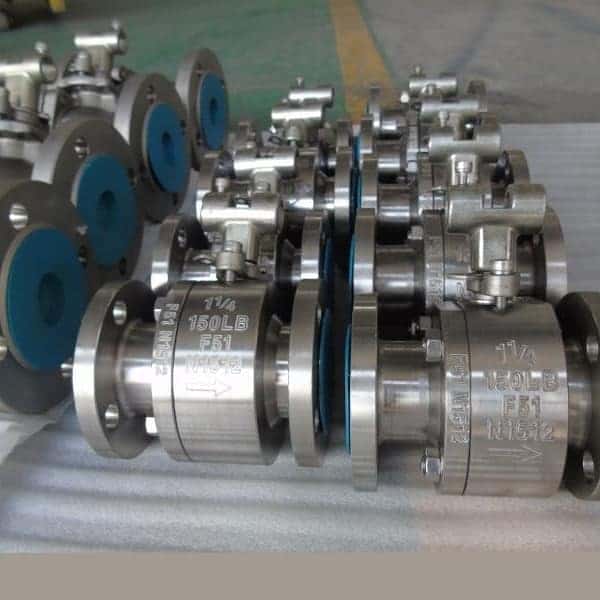
| Ball | On/off isolation | -29°C to 260°C | Class 150–2500 | Transfer and isolation lines |
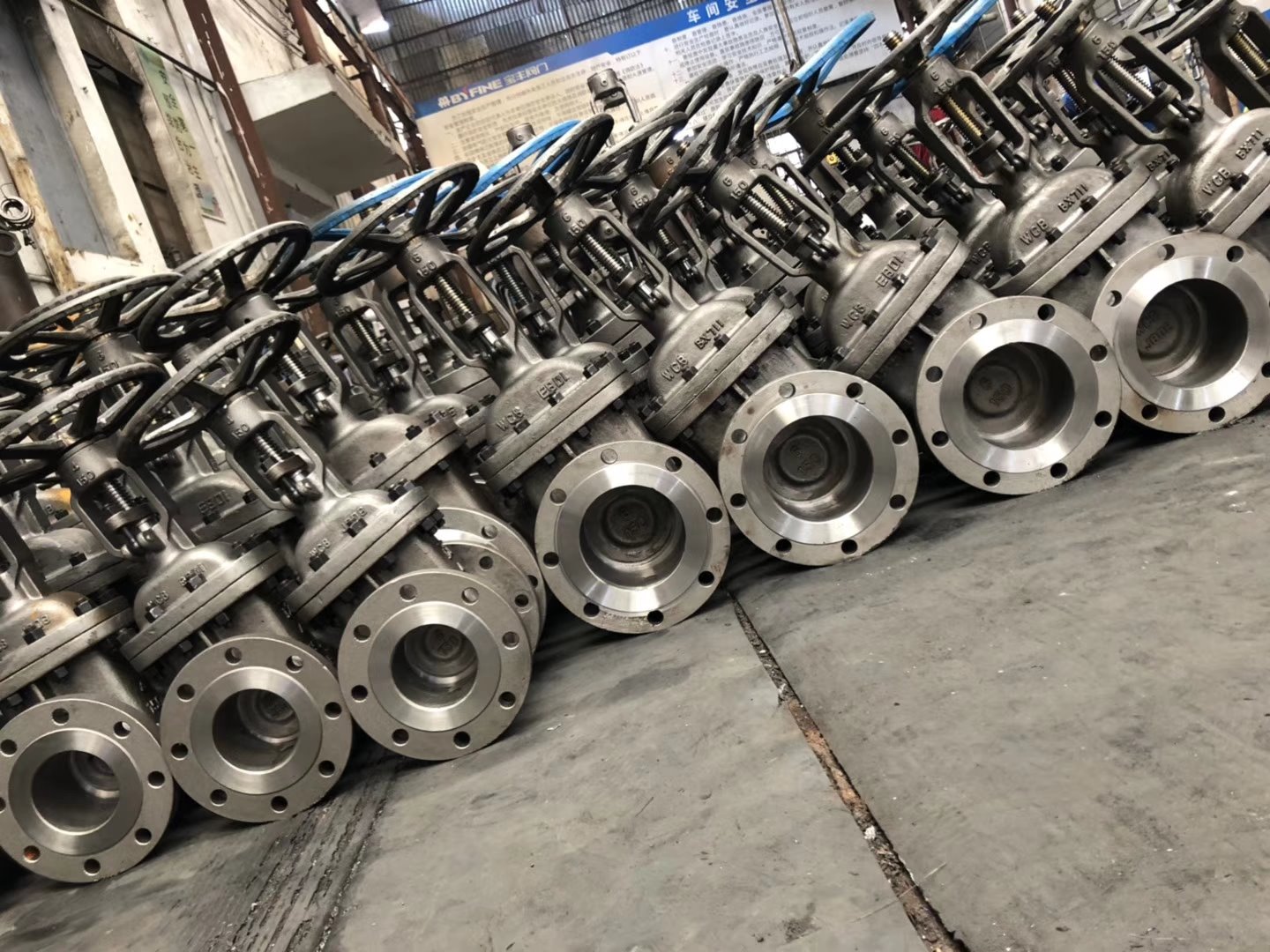
| Gate | Full-bore isolation | -29°C to 425°C | Class 150–1500 | Main process pipelines |
| Globe / Control | Flow regulation | -29°C to 450°C | Class 150–2500 | Dosing and pressure control |
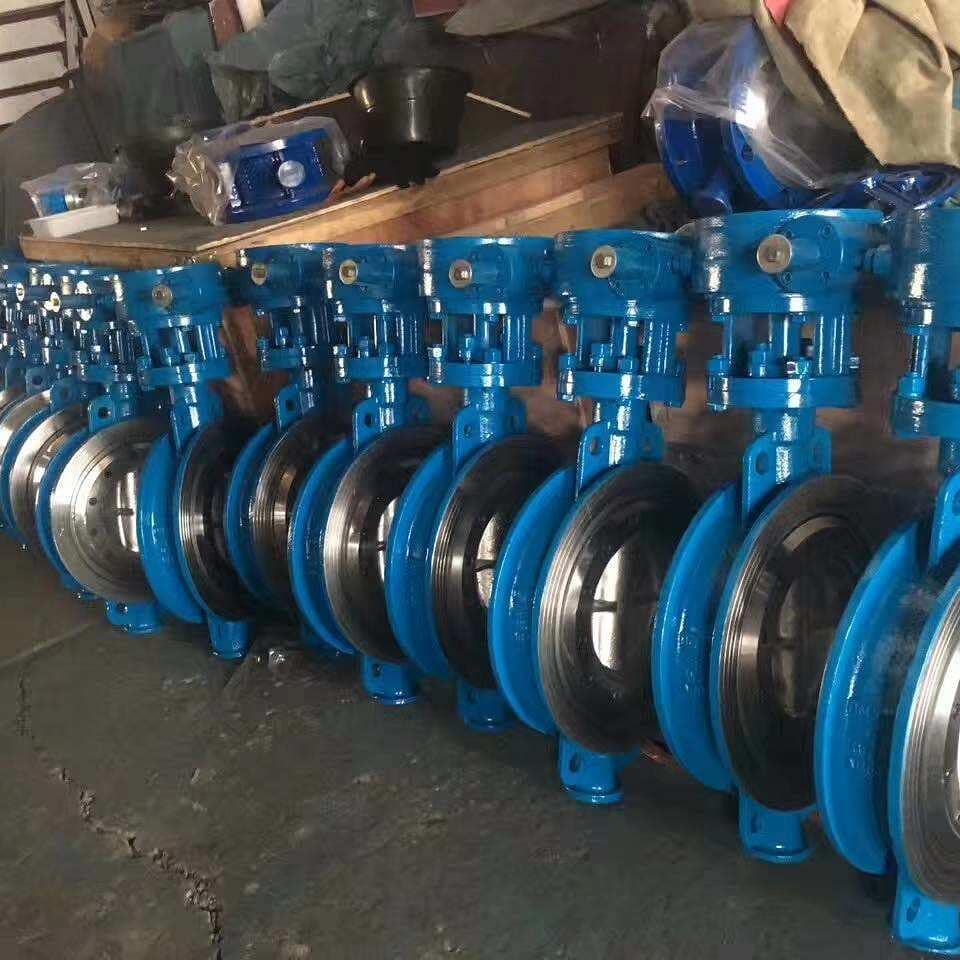
| Butterfly | Large-line control | -20°C to 200°C | PN10–PN40 | Low-pressure chemical service |
| Diaphragm / Plug | Corrosive or slurry service | -10°C to 260°C | Up to Class 900 | Acid, slurry, viscous media |
| Check | Backflow prevention | -29°C to 400°C | Class 150–2500 | Pump discharge protection |
Standards and Compliance in Chemical Valve Applications
Chemical processing plant valves are usually made and tested following accepted worldwide standards, including:
- API 600 / 608 / 609
- ASME B16.34
- ISO 9001
- NACE MR0175 (where applicable)
Compliance guarantees dependability, traceability, and long-term operating safety.
Why is Proper Maintenance Critical for Chemical Valves?
Good maintenance for valves in chemical plants ensures safety and reliability. Hot, caustic, or corrosive fluids might cause wear or leakage over time. Performance can be kept consistent and valve life extended with routine checks and quick response.
Key Maintenance Practices:
- Regular Inspection: Examine valve bodies, seals, and seats for rust or wear.
- Lubrication & Cleaning: Keep moving components smooth and eliminate deposits.
- Actuator & Sensor Calibration: Verify that automatic functioning is right.
- Predictive Monitoring: Early performance decline or failure is sensed.
- Scheduled Replacement: Replace worn components before they endanger safety or efficiency.
Proper maintenance ensures long-term safety, efficiency, and dependability in every stage of chemical manufacture.
Typical Valve Materials Used in Chemical Plants
Material selection is critical due to chemical compatibility and thermal stress.
| Material | Key Properties | Common Applications |
| Carbon Steel | High strength, economical | Neutral chemicals, utilities |
| Stainless Steel (304/316) | Corrosion resistant | Acids, solvents |
| Alloy Steel | High-temperature strength | Steam, aggressive chemicals |
| PTFE / PFA Lined | Excellent chemical resistance | Strong acids, alkalis |
| Hastelloy / Monel | Extreme corrosion resistance | Specialty chemical processes |
Automation and Control in Chemical Valving
Automated valves are becoming increasingly relied upon in today's chemical plants for safety and precision. Pneumatic and electrical actuators facilitate integration with Distributed Control Systems (DCS) as well as PLC-based automation.
Benefits include:
- Reduced manual intervention: Operators save time and minimize human errors by avoiding physically open or close valves.
- Consistent process control: Automation guarantees that the flow, pressure, or temperature regulation is precise and repeatable.
- Enhanced safety during hazardous operations: Reduces direct human contact with dangerous chemicals or harsh surroundings.
- Predictive maintenance capabilities: Sensors and actuators can monitor valve performance and point out any need for maintenance prior to failure.
Technical Specifications Considered During Valve Selection
Usually, plant designers and chemical engineers evaluate valves based on these factors:
- Operating Pressure & Temperature – Checks to see if valves can withstand system extremes without leaking or failing.
- Chemical Compatibility – Stops corrosion or interaction with process fluids.
- Flow Characteristics (Cv values) – Guarantees appropriate flow rates and reduces pressure drop.
- End Connections – Impacts installation, maintenance, and system integrity.
- Actuation Type – For safety and efficiency, it decides either automatic or manual operation.
- Leakage Class (API 598, ISO 5208) – Makes sure the shutoff is complete to keep chemicals from leaking or getting things dirty.
Every valve needs to fit the process envelope to prevent early failure or safety hazards.
Conclusion
Chemical processing systems depend on valves for safe and efficient flow control even under challenging circumstances. From material selection to pressure ratings to automation compatibility, every engineering feature matters. Understanding how valves operate in chemical environments helps engineers to make wise, long-term decisions that boost production as well as safety. Proper valve specification also guarantees regulatory compliance across challenging chemical processes, improves energy efficiency, minimizes downtime, and reduces maintenance costs.
For professionals wanting more in-depth technical information, reference materials, and application-oriented tools, Valve Supplier in USA such as Valves Only are sometimes great knowledge centers. Investigating such technical material can help to improve decision-making throughout system design, upgrades, or maintenance preparation. Over time, engineers and operators adhering to the most recent technical manuals can gently improve system performance and maximize chemical process activities.