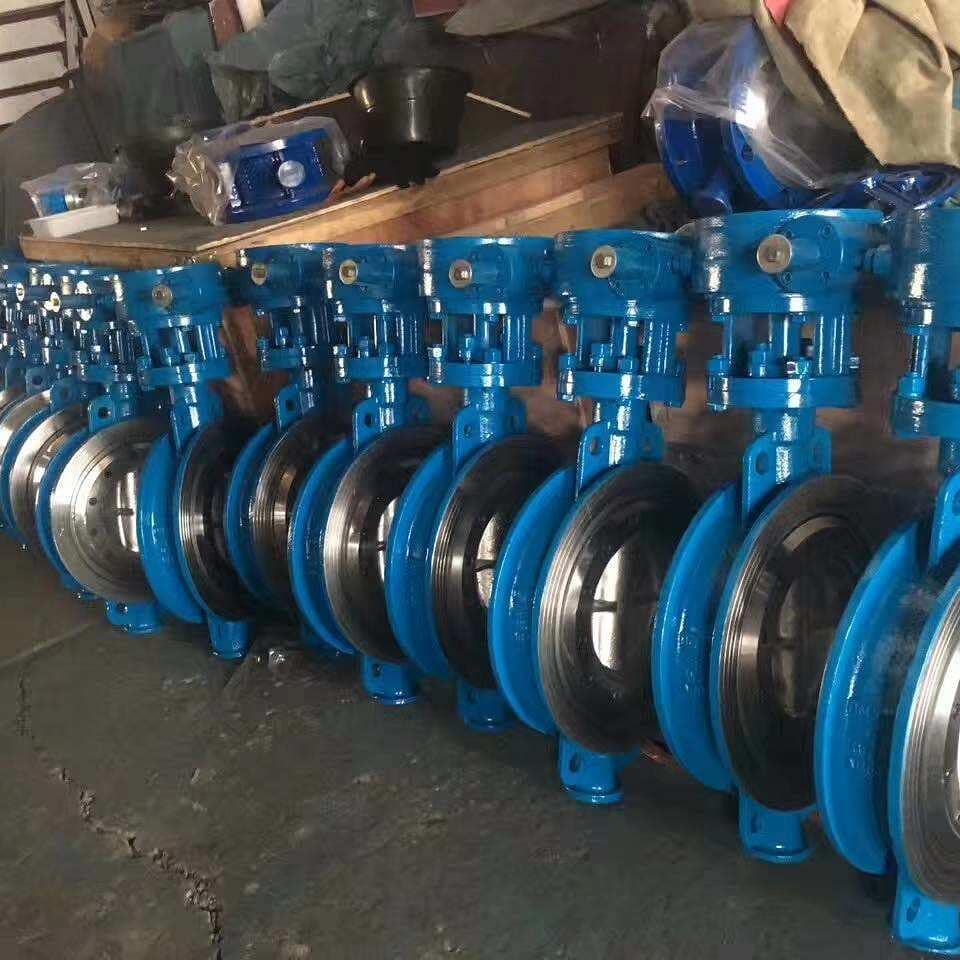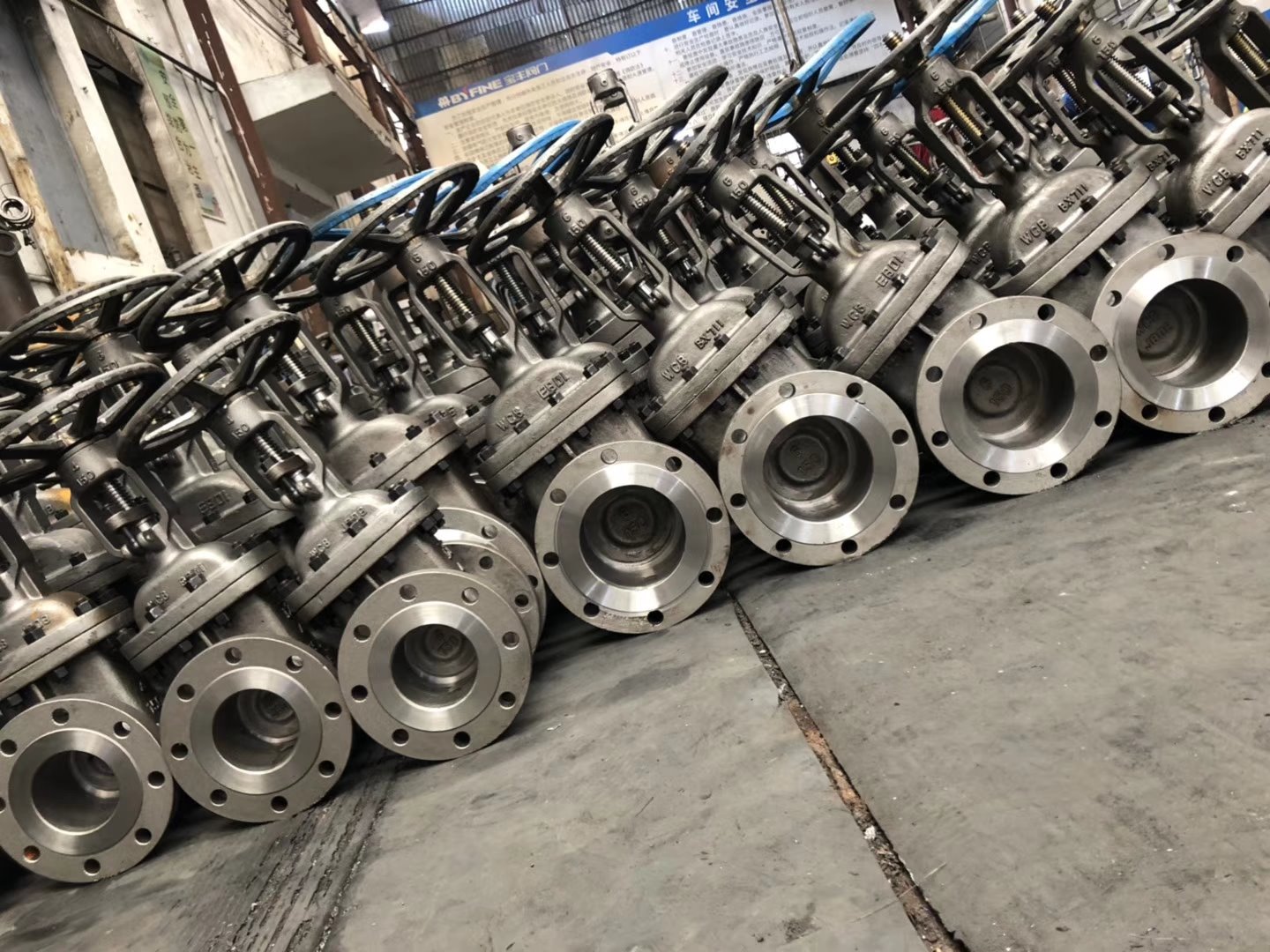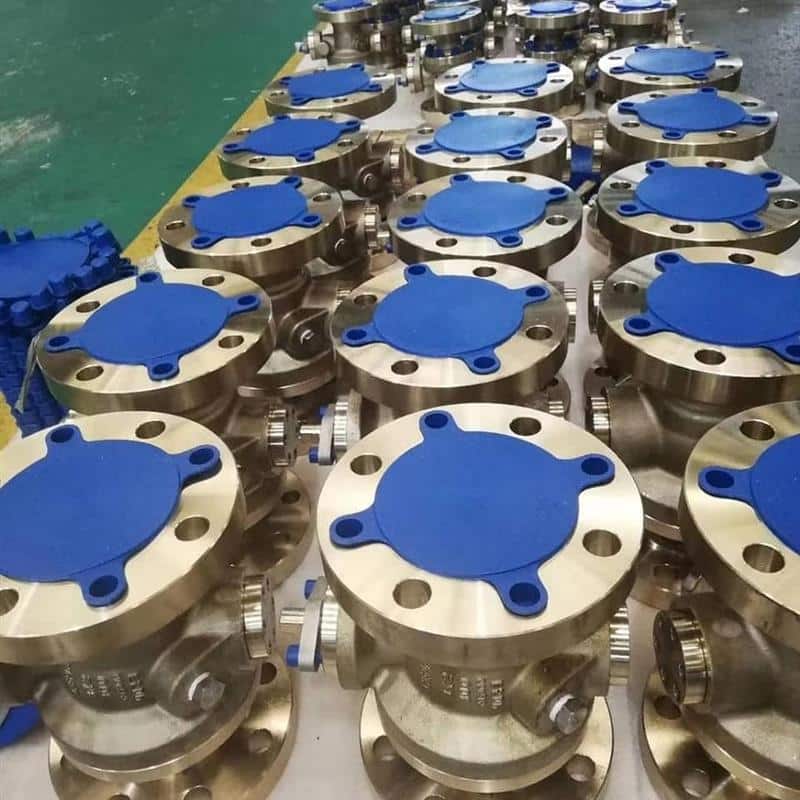
Among the most often used valves in industrial piping systems, floating ball valves have a tiny design, rapid actuation, and dependable sealing in a range of process and industrial uses. These valves use a ball that is supported only by the downstream seat. This lets the ball "float" a little bit under pressure to get a tight seal. Choosing the best valve for particular applications requires engineers and procurement teams to grasp the design features, material concerns, and pressure limits of floating ball valves.
A trusted Valve Supplier in USA can provide solutions that meet these rigorous operational requirements. Valves Only offers technical insights to guide these decisions for industrial operations across the country effectively.
How Floating Ball Valves Work
Floating ball valves depend on the idea of pressure-assisted sealing:
- Two seats hold the ball and let a little movement under system pressure keep a strong seal.
- System pressure pushes the ball towards the downstream seat, which makes sure the valve closes tightly and that there is not much torque.
- A quarter-turn stem rotation rapidly and effectively closes or opens the flow path.
Floating ball valves are perfect for on/off isolation in pipelines with low to medium pressure because of their design, which makes sure there is very little leakage and that they don't need much torque to work.
Design Characteristics
Floating ball valves have a number of important characteristics in their construction:
- Floating Ball: The sealing is self-adjusting since the ball can move somewhat along the flow axis.
- Seats: Typically constructed of metal or soft (PTFE, reinforced PTFE) to withstand temperature and pressure variations.
- Stem and Seals: Blowout-proof stems and anti-static equipment help to lower accidents and raise operational safety.
- Body Types: Depending on the demands of the service and upkeep requirements, one-piece, two-piece, or three-piece bodies are offered.
- Actuation: Perfect for electric, pneumatic, or hand operation according to the degree of process automation required.
Materials for Floating Ball Valves
Material selection directly influences valve performance under pressure, temperature, and corrosive conditions. Common materials include:
| Component | Typical Materials | Service Considerations |
| Valve Body | Carbon Steel, Stainless Steel, Duplex | Non-corrosive to moderately corrosive fluids |
| Ball | Stainless Steel, Chrome-Plated Steel | High hardness for low leakage |
| Seats | PTFE, Reinforced PTFE, Metal | Soft seats for low pressure, metal for high pressure/temperature |
| Seals | Graphite, PTFE | High-temperature or chemical-resistant sealing |
Valves Only provides traceable material certification for important upstream and downstream activities by making sure all materials adhere to ASME, API, and NACE criteria.
Pressure Limitations and Performance Considerations
Though mostly intended for low-to-medium pressure uses, knowing floating ball valves' pressure limits is crucial for dependable operation:
- Pressure Ratings: Maximum rated pressure guarantees the seat seals correctly and avoids component wear.
- Ball Seating and Torque: Higher pressure needs correct torque selection for safe operation as it strengthens sealing force.
- Sealing Integrity: Appropriate pressure reduces leak by guaranteeing consistent ball-to-seat contact.
- Material Considerations: Performance depends on body, seat, and seal materials' ability to withstand pressure and temperature stresses.
Knowing these elements enables engineers to guarantee floating ball valves operate dependably under changing pressure conditions, therefore preserving operational safety and constant process control.
Pressure and Temperature Limitations
Floating ball valves are usually used for low to medium pressure applications; however, the precise limits rely on valve size, body material, and seat design:
| Pressure Class | Typical Range | Notes |
| ANSI Class 150 | 285 psi (19.6 bar) | Standard low-pressure service |
| ANSI Class 300 | 740 psi (51 bar) | Suitable for moderate pressure pipelines |
| ANSI Class 600 | 1480 psi (102 bar) | High-pressure applications possible with metal seats |
| Max Operating Temperature | 250°C (PTFE seat), 450°C (Metal seat) | Soft seats limited by material thermal tolerance |
Floating ball valves are not recommended for very high-pressure systems, where trunnion-mounted ball valves are preferred for reduced torque and better load distribution.
Applications of Floating Ball Valves
Floating ball valves are adaptable and quite often seen in sectors including::
- Oil and Gas: Crude oil, gas, and condensate pipelines operating at low to medium pressure.
- Chemical and Petrochemical: Managing dependable shutoff of non-abrasive fluids.
- Water and Wastewater Treatment: Quick isolation in large distribution lines.
- HVAC and Utilities: Control and isolation of chilled or hot water systems.
Advantages of Floating Ball Valves
Floating ball valves have a number of practical advantages::
- Quick quarter-turn operation: Ideal for emergency shutdowns and process control, allows quick opening or closing.
- Compact, lightweight design: Simplifies installation and handling and reduces piping stress.
- Self-adjusting sealing: Under pressure, ball movement guarantees perfect sealing even when system settings change.
- Compatible with manual and automated actuation: Remote operation and automation are simple to combine with electric or pneumatic actuators.
- Cost-effective for low-to-medium pressure systems: Consistent performance without the intricacy of trunnion-mounted systems.
Valve Selection Criteria
When selecting a floating ball valve, engineers should consider:
- Operating Pressure and Temperature: Ensure materials withstand expected conditions without leakage or deformation.
- Fluid Type: Confirm compatibility with corrosive, abrasive, or viscous fluids.
- Valve Size: Proper sizing maintains flow efficiency and minimizes pressure drop.
- Automation Needs: Determine if manual or actuator-driven operation is required.
- Compliance: Verify adherence to API, ASME, and NACE standards for safety and reliability.
Choosing a Floating Ball Valve Manufacturer
Partnering with a reliable Valve Supplier in USA ensures valves meet stringent technical and regulatory standards. Key factors to consider:
- Proven experience in industrial valve supply.
- Comprehensive material certification and traceability.
- Capability to deliver valves suitable for specific pressure, temperature, and fluid requirements.
- Technical support and guidance for proper valve selection.
Valves Only offers detailed technical resources and consultation to help engineers select floating ball valves that meet operational and safety requirements across US industrial facilities.
Conclusion
Low-to-medium pressure pipeline networks need floating ball valves to be safe and efficient. Their small size, ease of automation, and capacity to pressure-seal make them perfect for uses in oil and gas, chemical processing, water treatment, and utility systems. Understanding the design features, material selections, and pressure limits of these valves can enable engineers to ensure their dependable, leak-free performance across their whole life. Choosing the right valves lowers operating hazards, cuts down on downtime, and keeps the process going without stopping.
Working with Valves Only enables engineering teams to access technical support, material traceability, and application-driven solutions that help them to pick valves that constantly meet operational, regulatory, and safety needs while also supporting long-term system performance.