Upstream oil and gas supplier plants work under some of the most difficult conditions in the energy sector. From abrasive solids and corrosive fluids to high wellhead pressures and changing temperatures, every component has to perform reliably to ensure safety and constant production. Valves help to regulate flow, isolate machinery, and protect assets during drilling, completion, and production activities..
A Valve Supplier in USA usually judges engineering ability, standards compliance, and demonstrated performance in tough field situations in this context. By emphasizing technically compatible valve solutions that satisfy operational needs without overcomplicating design or specification decisions, Valves Only assists upstream operators and engineering teams.
Role of Valves in Upstream Production Operations
Upstream facilities include wellheads, Christmas trees, production manifolds, separators, injection systems, and early-stage processing units. Valves installed in these areas are responsible for:
- Isolating wells during drilling, testing, or shutdowns
- Regulating flow from reservoirs to surface facilities
- Preventing backflow in high-pressure systems
- Protecting equipment from overpressure events
- Supporting automated safety and shutdown systems
Because failures at this stage can lead to production loss or safety incidents, valve selection is driven by reliability, material integrity, and predictable operation under pressure.
Operating Conditions in Upstream Environments
Conditions upstream valves experience vary greatly from those in downstream or middle stream systems. Key challenges include:
- High Pressure: Especially in deep or unusual reservoirs, wellhead and flowline pressures can reach beyond Class 1500.
- Temperature Variations: Fluids could be hot at the wellhead, but they cool down fast when they are processed or when the well is shut in.
- Corrosive Media: The risk of corrosion is higher when H₂S, CO₂, chlorides, and water are present.
- Abrasive Solids: Particles and sand speed up erosion in valve and seat
- Cyclic Operation: Regular opening and closing during start-up, testing, and shutdown cycles.
Valves must be engineered to handle these conditions consistently over long service life.
Common Valve Types Used in Upstream Oil and Gas Facilities
Valve types in upstream production are selected based on function rather than complexity. The table below summarizes commonly used valves without unnecessary detail.
| Valve Type | Typical Upstream Application |
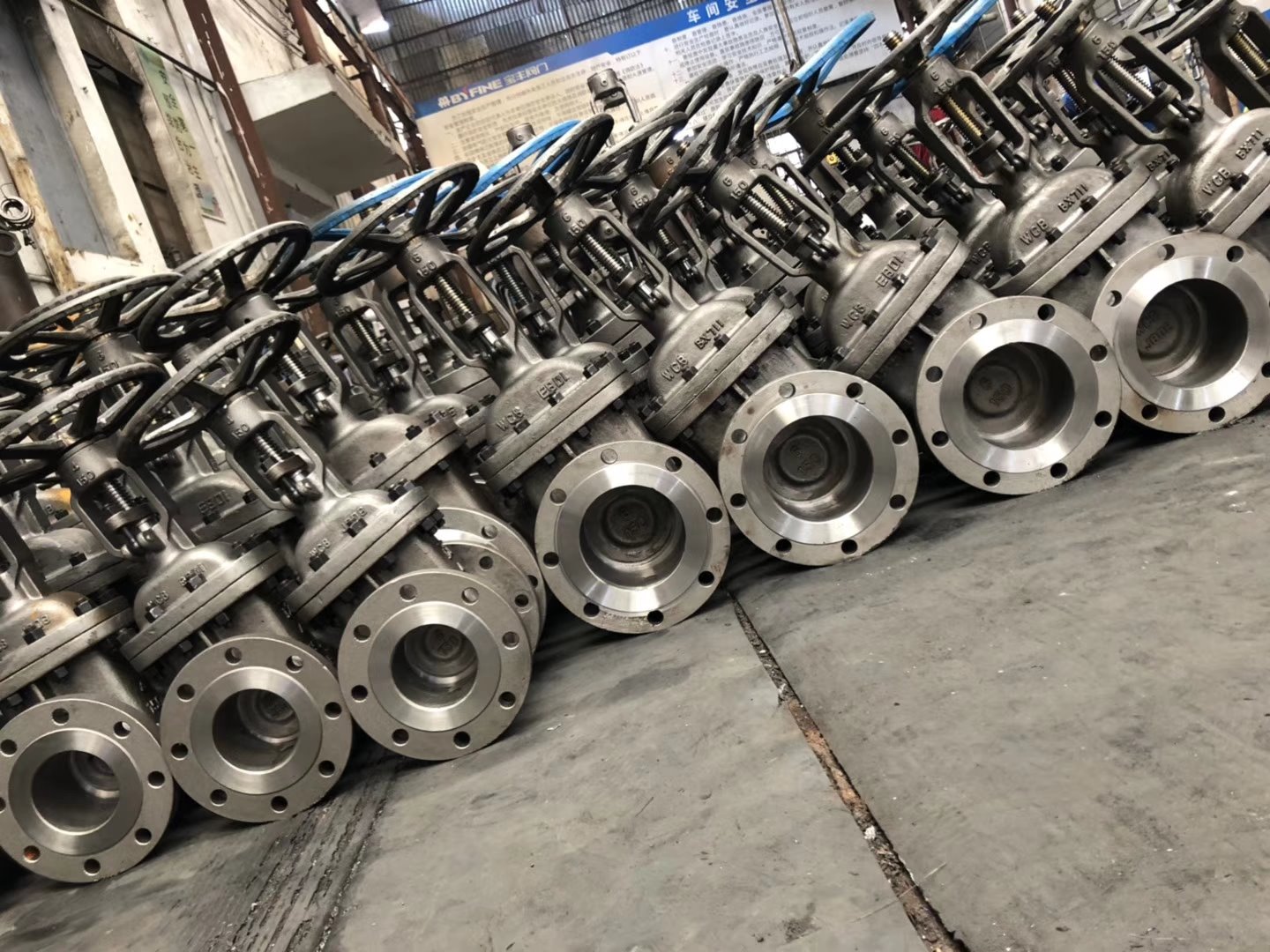
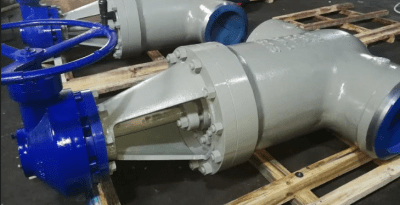
| Gate Valve | Wellhead isolation, production manifolds |
| Ball Valve | Emergency shutdown, flowline isolation |
| Globe Valve | Flow regulation and pressure control |
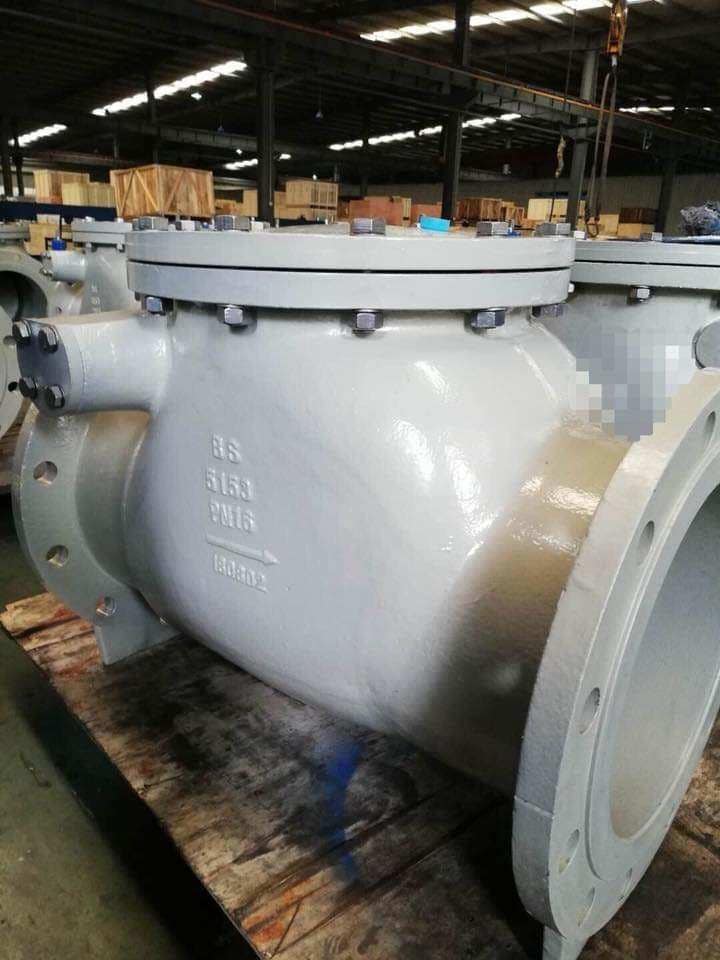
| Check Valve | Backflow prevention in pumps and compressors |
| Plug Valve | Viscous or sand-laden crude service |
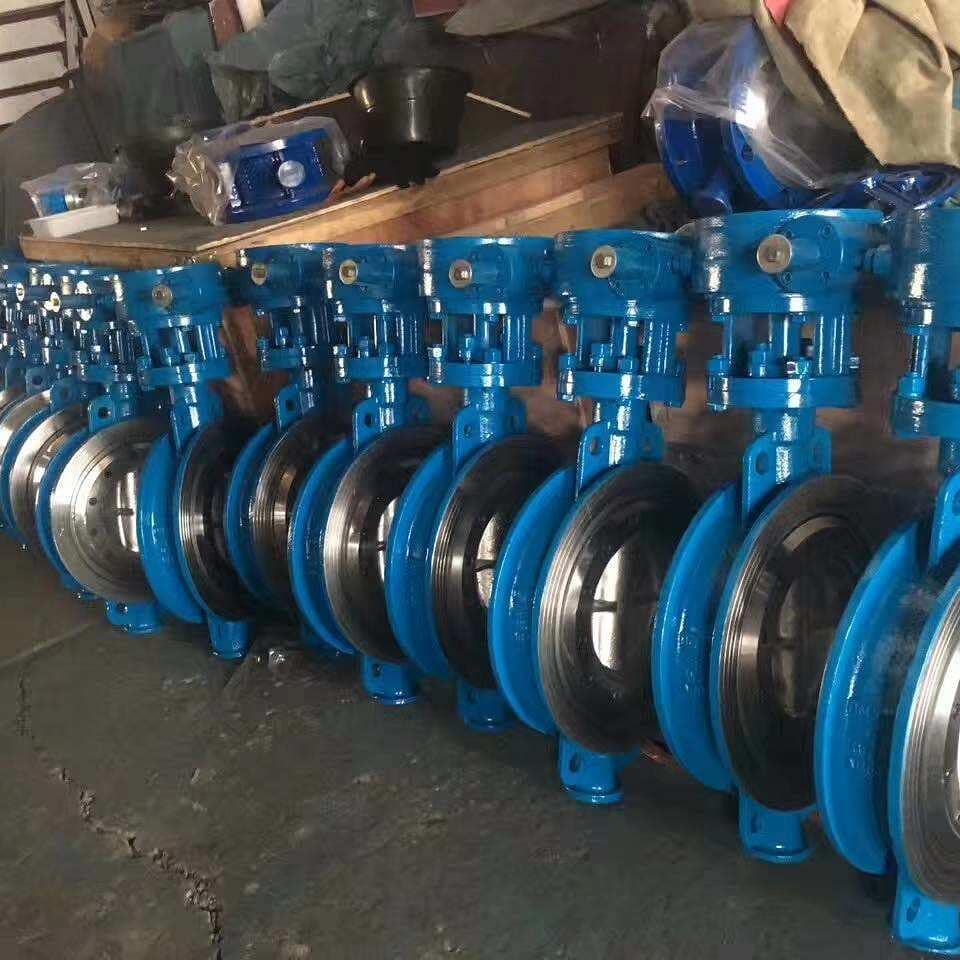
| Butterfly Valve | Water injection and utility systems |
| Needle Valve | Instrumentation and sampling lines |
| Control Valve | Automated pressure and flow regulation |
| Safety Relief Valve | Overpressure protection |
Pressure rating, function, and compatibility with the generated fluid guide the choice of each valve type.
Valve Design Features Important for Upstream Use
Upstream facility valves include design elements to guarantee safety and lifespan::
- Full-Bore Construction: Lowers pressure drop and stops sand from building up.
- Fire-Safe Design: Maintains sealing integrity after fire exposure.
- Blowout-Proof Stems: Prevent stem ejection under pressure.
- Anti-Static Devices: Lower fire risk in hydrocarbon service.
- Pressure-Balanced Seats: Keep sealing under variable pressure..
These elements enable valves to operate dependably under regular as well as emergency circumstances.
Material Selection for Upstream Valve Service
Upstream valve reliability depends much on material performance. Choosing the wrong material could cause rust, erosion, or mechanical breakdown. Common points of thought are:
| Material | Key Properties | Typical Applications | Max Temperature | Max Pressure |
| Carbon Steel | Strength, cost-effective | Non-corrosive oil, gas, water | ~400°C | ANSI Class 600 |
| Stainless Steel | Corrosion resistance | Wet gas, mildly corrosive fluids | ~450°C | ANSI Class 900 |
| Duplex / Super Duplex | High strength, chloride resistance | Offshore, high-chloride fluids | ~300–350°C | ANSI Class 1500 |
| Nickel Alloys (Inconel, Monel) | Sour gas, high temp & pressure | HPHT wells, H₂S service | ~550°C | ANSI Class 2500 |
| Seat Materials (Metal/PTFE/PEEK) | Wear or tight sealing | Abrasive, high-temp, clean fluids | Metal: 600°C / PTFE: 250°C | Metal: ANSI Class 1500 / PTFE: Class 900 |
Many times, sour gas environments require material traceability and adherence to NACE MR0175 / ISO 15156.
Valve Selection Criteria for Upstream Oil and Gas Facilities
Choosing the proper valve calls for a methodical review of functional needs and working circumstances. Important factors are:
- Highest operating temperature and pressure
- Including gas, oil, water, and solids, fluid makeup
- Essential function (isolation, control, safety)
- Operating frequency and cycling conditions
- Compliance with ISO, ASME, and API criteria
- Automated system or safety equipment compatibility
Using these guidelines lowers the likelihood of early failure and unanticipated shutdowns.
Automation and Safety Integration
Modern upstream activities mostly depend on automation, especially in unmanned or distant locations. Valves are usually built with:
- Emergency Shutdown Systems (ESD)
Enable rapid isolation of wells and flowlines during abnormal or emergency conditions. - Wellhead Control Panels
Provide localized control of wellhead valves for safe start-up, shutdown, and pressure regulation. - SCADA and Distributed Control Systems
Allow facility-wide centralised monitoring, remote valve control, and alarm management.
To ensure safe operation during routine production and emergency situations under high-pressure and cyclic circumstances, ball and control valves utilized in these systems must provide consistent torque, rapid response, and dependable sealing.
Regulatory Standards Applicable to Upstream Valves
To guarantee safety, consistency, and dependable performance in tough field conditions, upstream valves have to abide by several foreign requirements:
- API 6A: Covers valves and gear employed in Christmas tree assemblies and wellheads, therefore resolving pressure containment and material needs.
- API 6D: Deals with pipeline and flowline valves, mostly on design, testing, and how well they seal.
- ASME B16.34: Sets pressure–temperature ratings and structural criteria for valve body parts and components.
- API 607 / API 6FA: Designates fire-safe tests to guarantee valves preserve sealing integrity during fire exposure.
- NACE MR0175 / ISO 15156: Controls the choice of materials for sour service to help stop sulphide stress corrosion.
Following these criteria guarantees valves satisfy regulatory requirements as well as operational needs all across upstream oil and gas operations.
Conclusion
Valves used in upstream oil and gas production facilities are very important for keeping people safe, controlling flow, and keeping things running smoothly even when they're working in tough conditions. From wellhead isolation to automatic shutdown systems, proper valve selection depends on a solid grasp of pressure, temperature, fluid characteristics, and pertinent industry standards. Factors including material compatibility, pressure containment, and functional dependability directly influence long-term system performance.
Valves Only focuses on providing technically sound valve solutions and application-driven guidance to support upstream oil and gas operations across the United States, reflecting the engineering expectations typically associated with a reliable Valve Supplier in USA