Ensuring safety, dependability, and performance under high-pressure and challenging settings, the API 6D valve standard is a pillar for valves used in the oil, gas, and pipeline sectors. This guideline helps project teams and engineers choose valves that satisfy legal and functional criteria. For projects in the United States, an API 6D Valve Supplier in USA supplies valves meeting these requirements, therefore ensuring quality, tested, and certified components for pipeline networks.
Valves Only provides technical analysis of the API 6D standard, enabling engineers and procurement departments to make wise choices while grasping the design, material, and performance criteria underlying every valve.
Understanding the Scope of API 6D
The API 6D standard covers design, manufacturing, testing, and documentation of valves for pipeline service. Its scope includes:
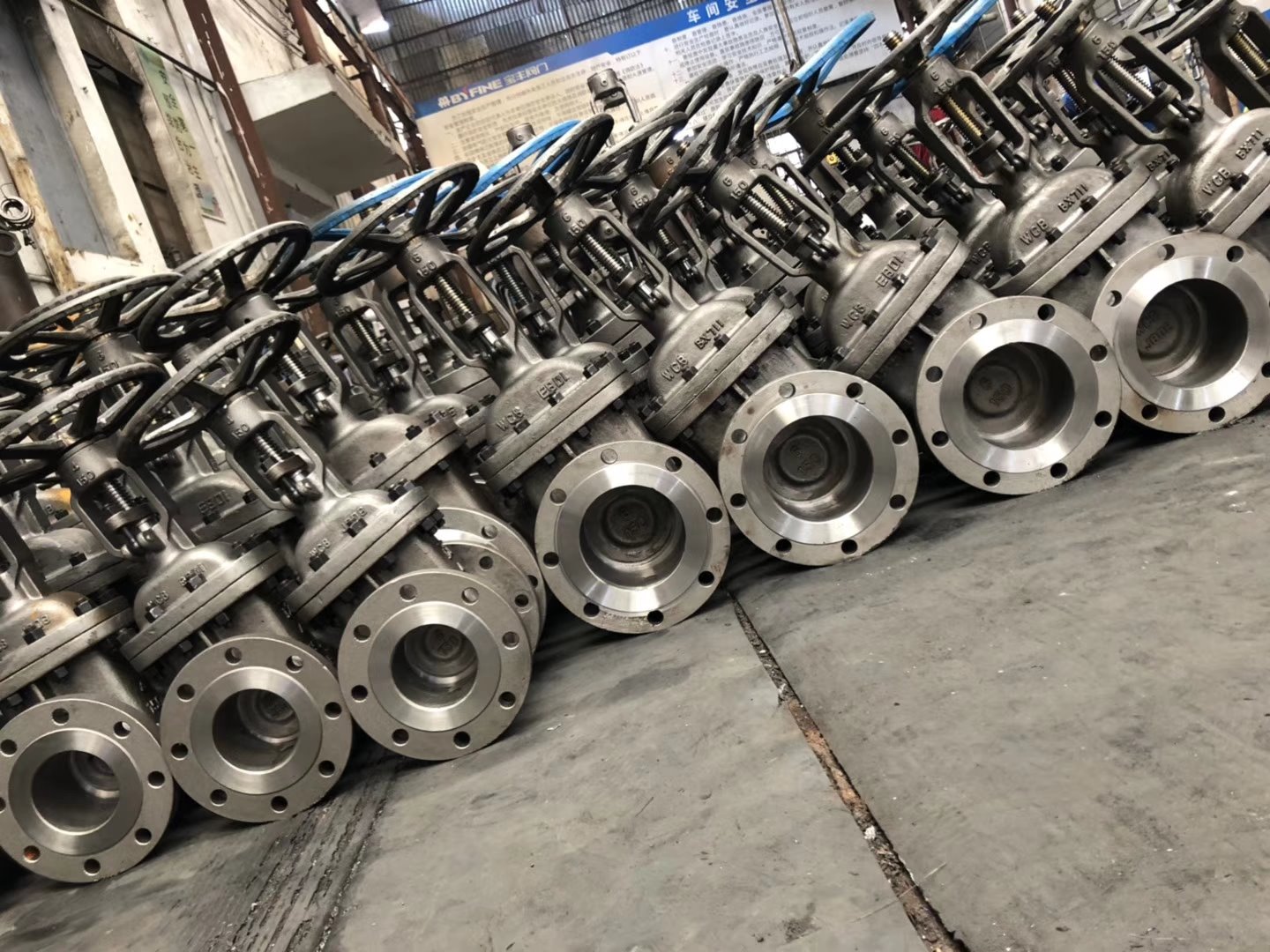
- Gate, Ball, and Check Valves for pipeline isolation, control, and safety.
- Service Conditions ranging from low-pressure gas lines to high-pressure oil transmission systems.
- Applicable Materials that can withstand corrosion, erosion, and temperature extremes typical of pipeline applications.
- Testing and Inspection Requirements to ensure each valve meets operational and safety criteria.
This scope ensures that valves provide reliable isolation, flow control, and protection against backflow or overpressure in critical pipeline systems.
Key Requirements of API 6D Valves
To ensure performance and safety, valves made under API 6D have to satisfy very high criteria:
- Design and Pressure Ratings: Ratings of valves based on ANSI/ASME classes guarantee that they are appropriate for pipeline use operating pressures and temperatures.
- Material Selection: Depending on the kind of fluid and the surroundings, body, trim, and seals are constructed from corrosion-resistant alloys, stainless steels, or carbon steels.
- Testing Standards: To confirm integrity, every valve is carefully inspected via hydrostatic testing, seat leakage testing, and shell testing as well as in shell testing.
- Documentation: Regulatory compliance and quality assurance need thorough records of material certificates, test results, and traceability.
- Fire-Safe and Endurance Design: Some valves have fire-safe certification and long-term performance characteristics to guarantee dependability in case of emergency.
These criteria guarantee that API 6D valves run dependably and safely under typical as well as under harsh circumstances.
Types of Valves Covered by API 6D
API 6D standard specifies several valve types commonly used in pipeline systems:
| Valve Type | Function in Pipeline Systems |
| Gate Valves | On/off isolation, minimal pressure drop. |
| Ball Valves | Tight shutoff, fast operation, emergency isolation. |
| Check Valves | Prevent backflow, protect pumps and equipment. |
| Plug Valves | Control flow in viscous or abrasive fluids. |
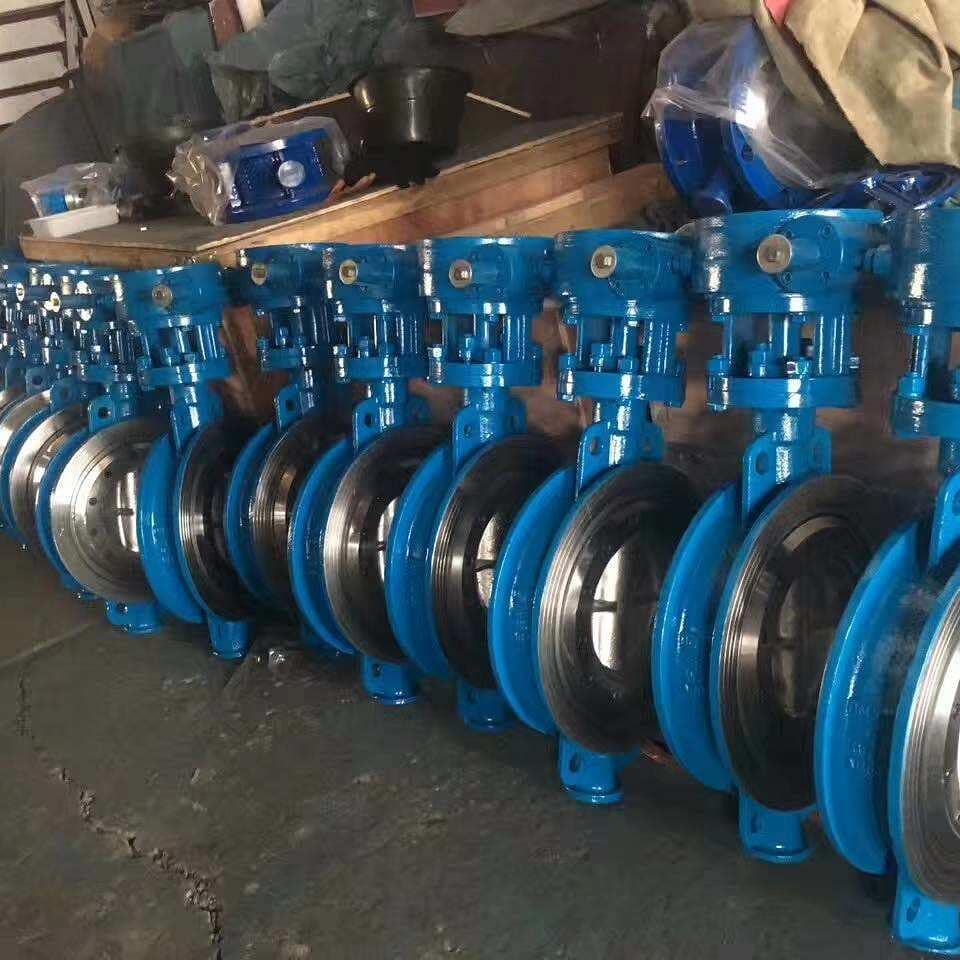
| Butterfly Valves | Large-diameter line isolation; high-performance offsets handle higher pressures. |
| Globe Valves | Throttling and flow regulation in high-pressure pipelines. |
| Cryogenic Valves | Reliable operation in extreme low-temperature pipelines. |
Each valve type must conform to API 6D testing, material, and design standards to ensure safety and operational reliability.
Testing and Quality Assurance
A crucial component of API 6D compliance is testing, which guarantees valves function under real pipeline situations. Typical tests consist of:
- Shell Testing: Checks the valve body's structural integrity under great pressure.
- Seat Leakage Testing: Provides a clean shutoff under operating circumstances.
- Hydrostatic Testing: Verifies the valve's ability to withstand system pressure without leaking or bending.
- Non-Destructive Examination (NDE): Includes dye-penetrant examination for welds and critical components, ultrasound testing, and radiology.
Material traceability, inspection documentation, and compliance with ISO or API audit criteria are all quality control steps.
Thermal and Pressure Cycling Considerations
Pipeline valves commonly have recurring pressure spikes and temperature changes when starting, stopping, and during regular use. Neglected, these cycles might lead to material wear in valve bodies, seats, stems, and bolted connections as well as leakage or misalignments. Strong seals and pressure-balanced seats help to maintain a tight seal and reliable operation under these trying situations.
Well calibrated actuators and guided stems lower wear, stop binding, and guarantee seamless functioning over many cycles. Choosing Inconel, duplex, stainless steel, or another high-strength material helps even more to stop mechanical and thermal wear, hence preserving dimensional stability. Careful consideration of temperature and pressure cycles guarantees long-term dependability, leak-free operation, and operational safety of API 6D valves in high-pressure, high-temperature pipeline systems.
Applications of API 6D Valves
Oil and gas pipeline projects depend on API 6D valves since they give dependable operation across a variety of systems:
- Onshore and Offshore Oil Pipelines: Gate and ball valves regulate crude oil flow and allow for safe maintenance isolation.
- Natural Gas Transmission: Good seals and prevention of backward flow provided by ball and check valves help to maintain the condition of pipelines.
- Petrochemical Plants: Valves govern high-pressure process lines and feed flow.
- Subsea Pipelines: Particularly made API 6D valves resist corrosion and deep-sea pressure.
These valves keep important infrastructure functioning safely, shield equipment, and keep fluid flowing constantly.
Design Features of API 6D Valves
Valves built to API 6D standards may incorporate features for great dependability and long service life::
- Trunnion-Mounted Balls: Ball valves should have lower operating torque and support axial stresses.
- Pressure-Balanced Seats: Keep sealing even with large pressure differences.
- Fire-Safe Certification: Makes sure the seats stay in good shape when they are exposed to fire.
- Blowout-Proof Stems and Anti-Static Devices: Make sure operational safety is preserved and accidents are avoided.
- Reinforced Bodies and Bonnet Designs: Offer strength whether under high-pressure situations or variable ones.
API 6D valves are appropriate for corrosive pipeline environments, high-temperature, and high-pressure applications due to these characteristics.
Selecting an API 6D Valve Manufacturer in USA
For the integrity of the pipeline, choosing a trustworthy API 6D Valve Supplier in USA is quite important. Important issues to think about are:
- Compliance with API 6D Documentation and Testing
- Proven Material Accountability
- Capacity to provide unique designs for particular fluid conditions, pressure, and temperature.
- Understanding pipeline projects covers onshore, offshore, and undersea settings.
A good producer guarantees that valves are not only standards-compliant but also trustworthy under extended use circumstances.
Conclusion
API 6D valves are therefore vital for reliable and safe pipeline systems as they provide accurate isolation, flow control, and defense against overpressure or backflow. Knowing the scope, demands, and uses of API 6D can help engineers to choose valves satisfying legal, functional, and safety requirements. Using a trustworthy API 6D Valve Supplier in USA guarantees compliance, quality, and consistent performance all through even the most difficult oil and gas operations.
Valves Only offers thorough insights and technical advice to close the divide between design principles and actual pipeline uses, enabling engineers to make wise, dependable decisions free from compromise.