Power plants run in some of the most difficult industrial environments, with stringent safety standards, extreme temperatures, high pressures, and constant flow cycles. Valves control, separate, and guide fluids like steam, water, fuel, and cooling media across several factory systems. Choosing the right valve type has a direct effect on how well something works, how reliable it is, and how safe it is to use in the long run. For utility companies and EPC contractors, a Valve Supplier in USA is usually judged on how well they can meet the requirements of the power industry while also delivering valves designed to last a long time and work in a consistent way.
Valves Only helps engineers grasp how various valve designs operate inside complicated factory settings by offering technical clarity on valve uses in power generation.
Overview of Valve Functions in Power Plants
Valves in power plants are not generic components. Each valve serves a defined operational purpose depending on location, fluid type, and operating conditions. Key functions include:
- Flow regulation in steam and water circuits
- Isolation for maintenance and emergency shutdowns
- Pressure control to protect equipment
- Backflow prevention to protect pumps and turbines
Boilers, turbines, condensers, feedwater lines, and ancillary equipment all across several systems are included in these functions.
Operating Conditions in Power Generation Systems
Power plant valves must perform reliably under challenging conditions:
- Pressure Ranges: From low-pressure cooling water lines to high-pressure steam systems exceeding ANSI Class 1500
- Temperature Ranges: Cryogenic startup conditions to steam temperatures above 540°C in superheated systems
- Continuous Cycling: Frequent opening and closing under load
- Safety-Critical Service: Failure can result in equipment damage or plant shutdown
These conditions dictate valve selection, materials, and design features.
Common Types of Valves Used in Power Plants
Power plants rely on a wide range of valve types, each suited to specific applications within the plant.
| Valve Type | How They’re Used in Power Plants |
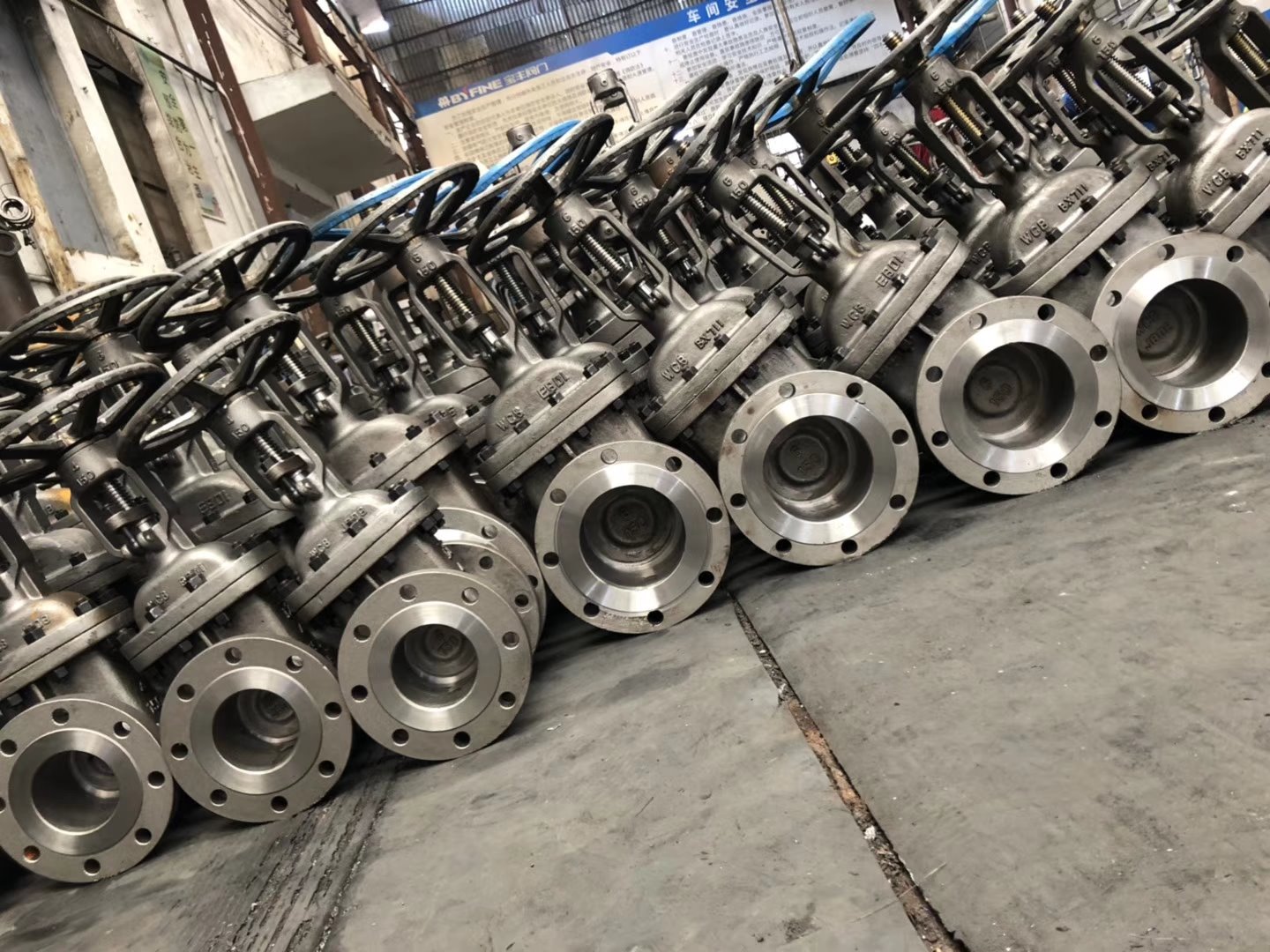
| Gate Valves | Used mostly for isolating steam and water lines, they permit open full flow. |
| Globe Valves | Usually selected in situations where exact flow control is required, especially in high-pressure steam lines. |
| Ball Valves | Offer quick, dependable shutoff in supplementary, fuel, and cooling systems; trunnion designs fit greater pressures. |
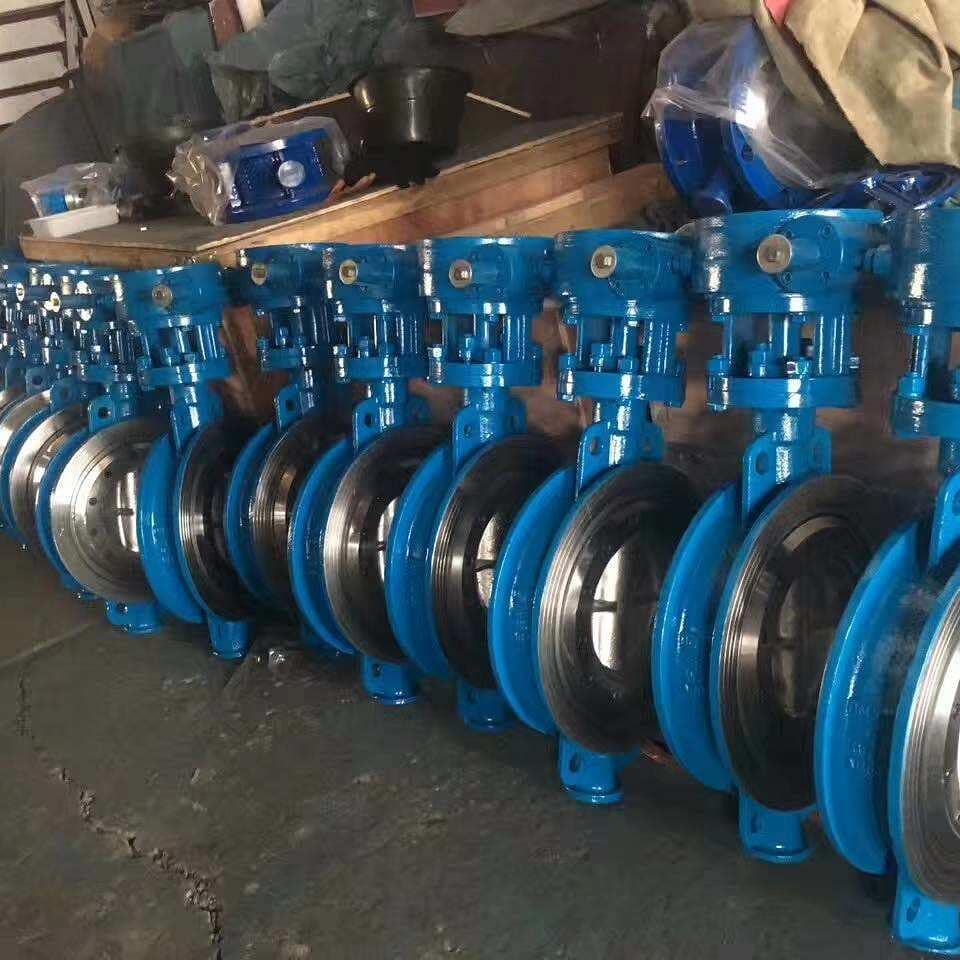
| Butterfly Valves | Well suited for large cooling water lines; offset designs effectively manage higher pressures. |
| Check Valves | Automatically stop reverse flow to guard pumps and turbines from harm. |
| Control Valves | To maintain plant functioning constant, regularly modify flow, pressure, and temperature. |
Valve Applications Across Power Plant Systems
Boiler & Steam Systems: Gate, globe, and safety valves oversee overpressure protection, feedwater control, and isolation.
Turbine & Steam Distribution: Under temperature cycling, high-integrity valves govern intake, bypass, and extraction steam.
Cooling Water & Condensate: Check, gate, butterfly, and globe valves control condensate return and cooling flow.
Fuel Handling: Ball, plug, and control valves guarantee fuel system safe isolation and flow control.
Safety & Relief Systems: Equipment is shielded from pressure surges by relief and safety valves.
Thermal Cycling and Valve Reliability in Power Plants
Valve components are strained by repeated heating and cooling during startup, shutdown, and load changes. This may have an impact on their alignment, sealing, and general reliability.
Key points:
- Body & Bonnet: Flexible or pressure-seal patterns allow thermal expansion and help to minimize distortion.
- Seats & Seals: Materials have to stay sealed even if the temperature changes a lot.
- Stem & Packing: Adaptable packing and guided stems help to avoid leakage, wear, and binding.
- Material Selection: Strong alloys guarantee long-term performance, resist thermal fatigue, and keep dimensional stability.
Dealing with these problems guarantees consistent operation of valves even under constant temperature changes in challenging power plant settings.
Materials Used for Power Plant Valves
Material selection directly affects valve performance and service life. Typical materials include:
| Component | Common Materials |
| Valve Body | ASTM A216 WCB, A217 WC6/WC9, A351 CF8M |
| Trim | Stainless steel, Stellite, Chromium alloys |
| Seats | Metal-seated or alloy hardfaced |
| Seals | Graphite, PTFE (auxiliary systems) |
Materials must withstand thermal cycling, oxidation, corrosion, and mechanical stress over long operational periods.
Design Features Required for Power Plant Valves
Valves used in power generation incorporate specialized design features:
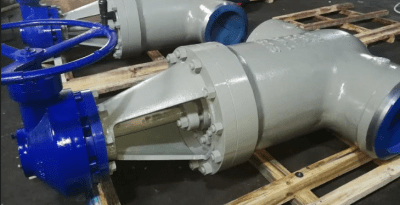
- Pressure-Seal Bonnets: Prevent leakage in high-pressure steam service
- Fire-Safe Construction: Ensures sealing integrity during fire exposure
- Blowout-Proof Stems: Enhance operator safety
- Low-Emission Packing: Reduces fugitive emissions
- Thermal Expansion Accommodation: Prevents binding during temperature fluctuations
These features help maintain reliability under continuous operation.
Automation and Control Integration
Automated valve systems are a major need for modern power plants. Including actuated valves with DCS or SCADA systems enables exact control of steam and water flows, supports remote operation, and helps emergency shutdown protocols. Automated service depends on predictable torque behavior and reliable sealing.
Power companies usually turn to a Valve Supplier in USA able to provide valves suitable with sophisticated control systems and long-term operational needs when assessing automated solutions.
Industry Standards and Compliance
To guarantee safe, dependable, and consistent operation, valves utilized in power plants have to meet exacting global and national criteria. Key standards include:
- ASME B16.34 – Controls materials, design standards, and pressure–temperature ratings.
- API 600 / API 602 – Covers small forged steel valves and gate valves for high-pressure applications.
- API 607 / API 6FA – Specifies fire-safe testing to guarantee fire exposure maintains sealing integrity.
- ANSI Pressure Classifications – Specifies valve pressure ratings spanning working circumstances.
Following these guidelines helps utility-scale power generation projects maintain long-term reliability, operational safety, and regulatory clearance as well as support.
Valve Selection Criteria for Power Plants
Valve choice hinges on important technical considerations influencing performance and dependability:
- Pressure and Temperature: Ratings have to encompass both typical and disturbed states.
- Fluid Type: Steam, water, condensate, and fuel need different materials and sealing.
- Function: Valve design is guided by isolation, control, or safety factors.
- Actuation: Manual, electric, or pneumatic depending on operational requirements.
- Standards Compliance: Requirements of ASME, API, and ANSI have to be satisfied.
- Cycling Frequency: Frequent operation demands durable construction.
Long-term plant operation, safety, and efficiency all benefit from an organized selection procedure.
Conclusion
Power plants depend on valves, which enable safe steam generation, effective energy transmission, and dependable system control. From cooling water systems to high-pressure boiler circuits, every valve kind has a particular engineering purpose that helps the whole plant to perform. Engineers who appreciate valve design, materials, and application needs may identify solutions consistent with operational dependability and safety goals.
Valves Only is a technical knowledge source that helps professionals seeking practical insights into valve behavior and power plant applications to bridge the gap between design intent and actual operating conditions without pointless complexity.