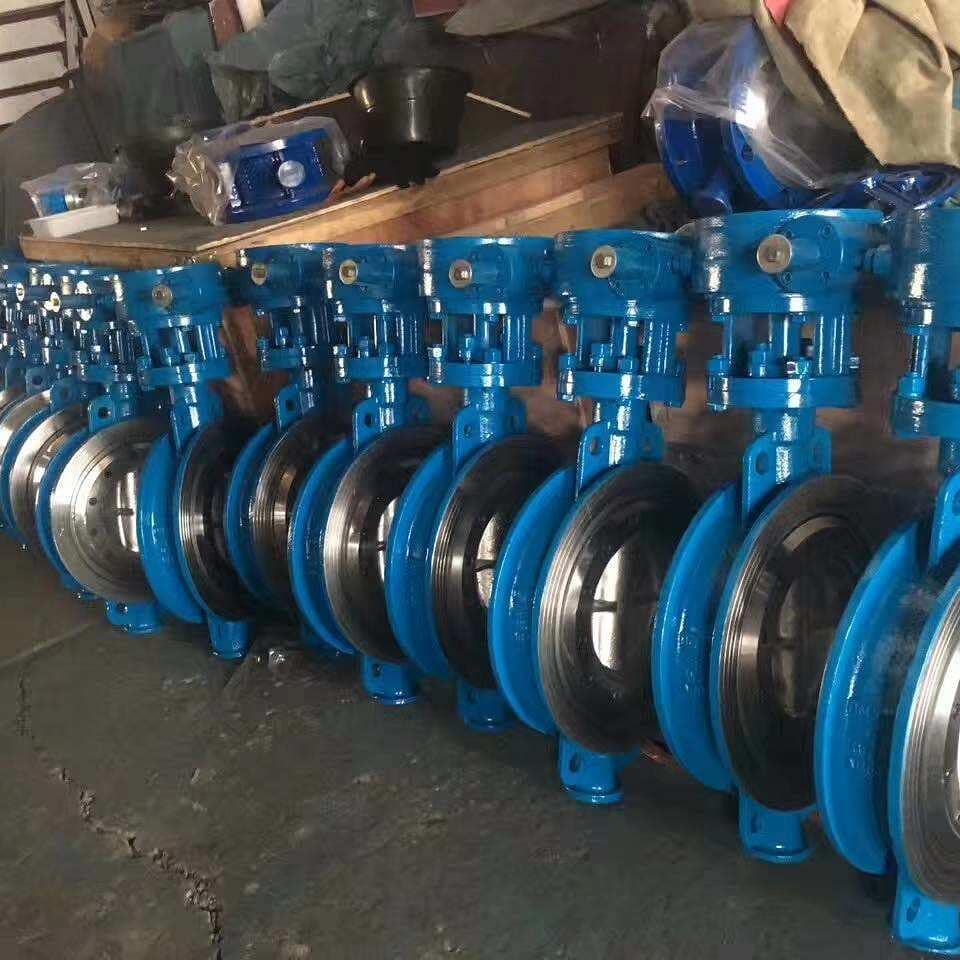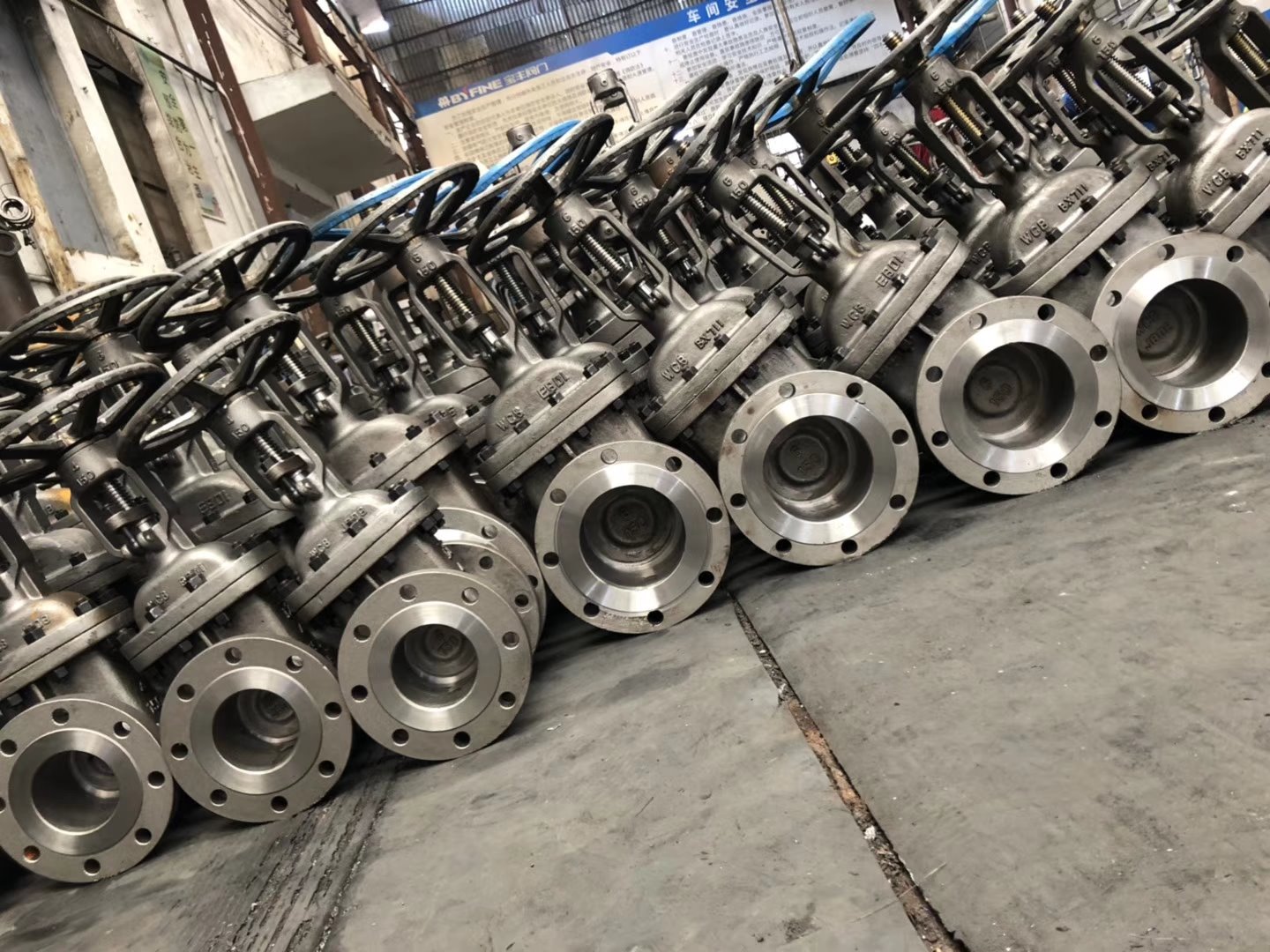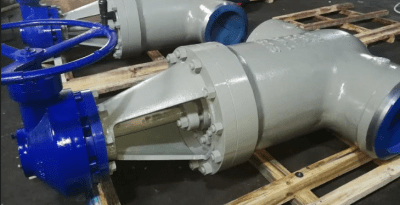
Industrial process high-pressure systems valves must be strong, exact, and reliable. Selecting the appropriate valve helps to guarantee operational stability and guards against unanticipated shutdowns. Valves used in industries like oil and gas, chemical processing, and power generation have to be able to control fluid flow and also handle mechanical stress, extreme temperatures, and high pressures. In providing valves that satisfy these strict criteria and abide by applicable rules, a Valve Supplier in USA is very important.
Valves Only provides in-depth insights into valve types, applications, and engineering considerations, helping project teams make informed choices without relying solely on generic product specifications.
Understanding High-Pressure Valve Requirements
For valves employed in high-pressure settings, particular functional difficulties arise:
- Pressure Ratings: Many pipelines need Class 2500, and some even run above ANSI Class 1500. To prevent valve failure, one should consider unexpected pressure surges or surges.
- Temperature Range: Valves have to keep working well at really cold temperatures and at temperatures above 450°C in reactors.
- Sealing Integrity: Particularly when handling hazardous or poisonous liquids, even a little leak may be cause for great alarm.
- Material Strength: Mechanical stress, corrosion, and erosion degrade valves over time. Long-term success depends on selecting the proper materials.
- Operational Torque: High-pressure systems occasionally demand more actuation force; hence, smooth and dependable operation relies on accurate torque range.
Satisfying these criteria calls for serious thought of valve type, design, and materials.
Common Valve Types for High-Pressure Service
High-pressure system efficiency mostly depends on the valve type chosen. The most often used valves include:
- Gate Valves: Complete-bore isolation with little pressure drop; could call for more actuation.
- Globe Valves: Exact throttling for high differential pressure; a little bit more pressure drop.
- Ball Valves: Quarter-turn, tight shutoff; trunnion-mounted models can handle high-pressure pipelines.
- Check Valves: Stop backflow to keep equipment intact.
- Plug Valves: Usually metal-seated, on/off control for corrosive or viscous liquids.
- Butterfly Valves: Medium-pressure applications; high-performance offsets may withstand more pressure.
- Needle Valves: Little high-pressure lines require very precise flow control.
Every valve kind has to be evaluated for pressure rating, flow requirements, and operating environment to determine whether it is acceptable.
Materials and Construction Considerations
High-pressure valves require materials that withstand extreme stress, thermal expansion, and chemical exposure. Typical selections include:
| Component | Typical Materials |
| Valve Body | ASTM A216 WCB, A352 LCC, CF8, CF8M |
| Trim (Ball, Plug, Gate) | Stainless steel, Duplex, Inconel, Monel |
| Seats | Metal (stellite, Inconel) or high-performance PTFE/PEEK |
| Seals | Graphite, PTFE, flexible metal seals |
To guarantee long-term performance and safety under continuous high-pressure use, material selection relies on fluid type, temperature, and corrosiveness.
Flow Dynamics and Pressure Drop Considerations
In industrial pipelines, high-pressure valves have a big influence on flow efficiency and general system stability. Important elements are:
- Pressure Drop: While gate and ball valves maintain nearly full-bore flow, hence reducing energy consumption and system load; globe valves give precise control but somewhat more pressure drop.
- Cavitation and Turbulence: Sudden pressure changes might cause surface erosion; trunnion-mounted and pressure-balanced valves help to lower turbulence, vibration, and over time wear.
- Sizing and Placement: Correct valve sizing and strategic positioning ensure smooth running, optimum efficiency, and less operational risk throughout the network.
Design Features for High-Pressure Performance
Valves for high-pressure applications often incorporate advanced design features:
- Trunnion Support: Reduces operating torque and supports axial loads in ball valves.
- Pressure-Balanced Seats: Maintain sealing under high differential pressure.
- Fire-Safe Design: Compliant with API 607 / API 6FA to ensure sealing during fire exposure.
- Anti-Static and Blowout-Proof Stems: Ensure mechanical safety and prevent static buildup.
- Reinforced Bodies and Bonnet Designs: Provide structural integrity under extreme pressure.
These design principles allow valves to operate reliably over repeated cycles without leakage or mechanical failure.
Valve Selection Criteria for High-Pressure Applications
Choosing the right valve requires a systematic evaluation of operational and design requirements. Key criteria include:
| Criteria | Considerations |
| Pressure Rating | Maximum operating pressure, surge allowance, safety margin |
| Temperature Range | Operating, startup, and emergency conditions |
| Flow Control | Full isolation, throttling, or modulating service |
| Sealing Requirements | Metal-to-metal vs soft-seated for leak-tight operation |
| Actuation | Manual, pneumatic, or electric; torque requirements |
| Fluid Type | Gas, liquid, multiphase, corrosive fluids |
| Standards Compliance | API, ASME, ISO, fire-safe regulations |
| Operational Frequency | Number of cycles, rapid opening/closing requirements |
Using these criteria ensures optimal performance and safety in high-pressure systems.
Materials Performance Under High Pressure and Temperature
Reliable long-term performance in demanding industrial environments at high pressures and temperatures depends critically on the materials selected:
- Valve Body & Trim: Inconel, Monel, and Duplex stainless steel are examples of alloys that show great resistance to corrosion, erosion, and mechanical strain over long periods of time and under repeated loading.
- Seats & Seals: Metal seats provide resilience under regulated pressure conditions; PTFE or PEEK seats give perfect sealing in less hostile settings while preserving dependability.
- Thermal & Chemical Resistance: Materials should be resistant to chemical exposure, temperature changes, pressure changes, and physical loads to keep sealing and structural integrity over time.
Valve reliability, sealing efficiency, and lifespan under continuous high-pressure operation directly rely on the proper material selection. Matching material properties to working conditions helps ensure consistent performance and long-term system integrity.
Applications of High-Pressure Valves
Many sectors depend greatly on high-pressure valves:
- Oil and Gas Pipelines: Extreme pressure control relies on check valves, gate valves, and trunnion-mounted ball valves seen in wellheads and transmission lines.
- Refineries and Petrochemical Plants: Globe, ball, and control valves are used to regulate process lines, distillation columns, and high-pressure reactors.
- Power Generation: High-pressure steam lines use gate and globe valves for thermal expansion and regular cycling.
- Offshore and Subsea Operations: Valves mix corrosion resistance, automation system compatibility, and high-pressure performance.
Choosing valves for these uses, speaking with a Valve Supplier in USA guarantees parts comply with API, ASME, and ISO standards and preserve reliable performance under high pressures.
Automation and Actuation Considerations
In high-pressure systems, automation improves accuracy and safety:
- Torque Requirements: Actuators ought to be able to handle breakaway torque in addition to running torque.
- Remote Operation: Particularly in hazardous locations or at sea, electric and pneumatic actuators enable control from safe locations.
- Integration with Control Systems: DCS or SCADA systems give exact flow control and emergency stopping features.
- Cycle Management: Automated valves must keep structural integrity and sealing across a number of high-pressure cycles.
Conclusion
Industrial processes absolutely depend on high-pressure valves, which guarantee safety, dependability, and exact flow control. Selection calls for knowledge of fluid properties, operational pressures, temperature ranges, and adherence to legal criteria. Engineers can guarantee consistent performance in even the toughest situations by thinking about things like trunnion support, pressure-balanced seats, and fire-safe design.
For practical guidance on selecting valves for high-pressure environments, Valves Only offers detailed insights to help translate engineering principles into effective real-world solutions.