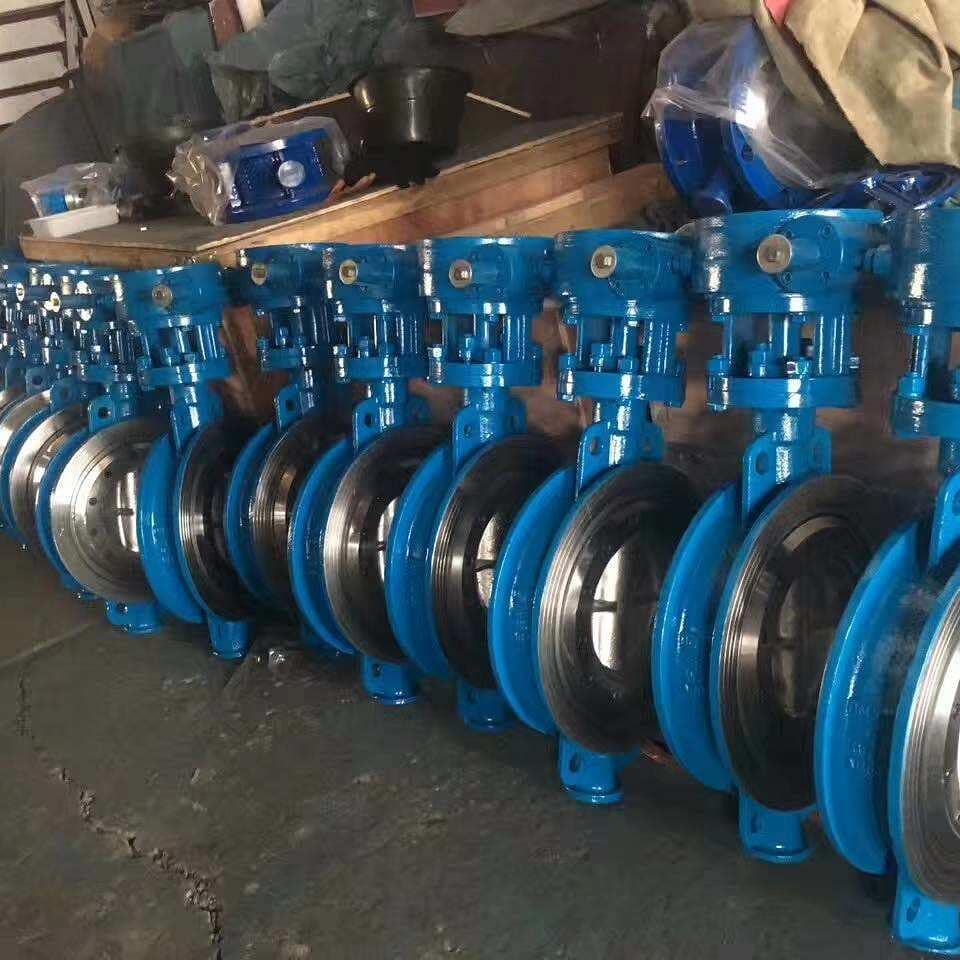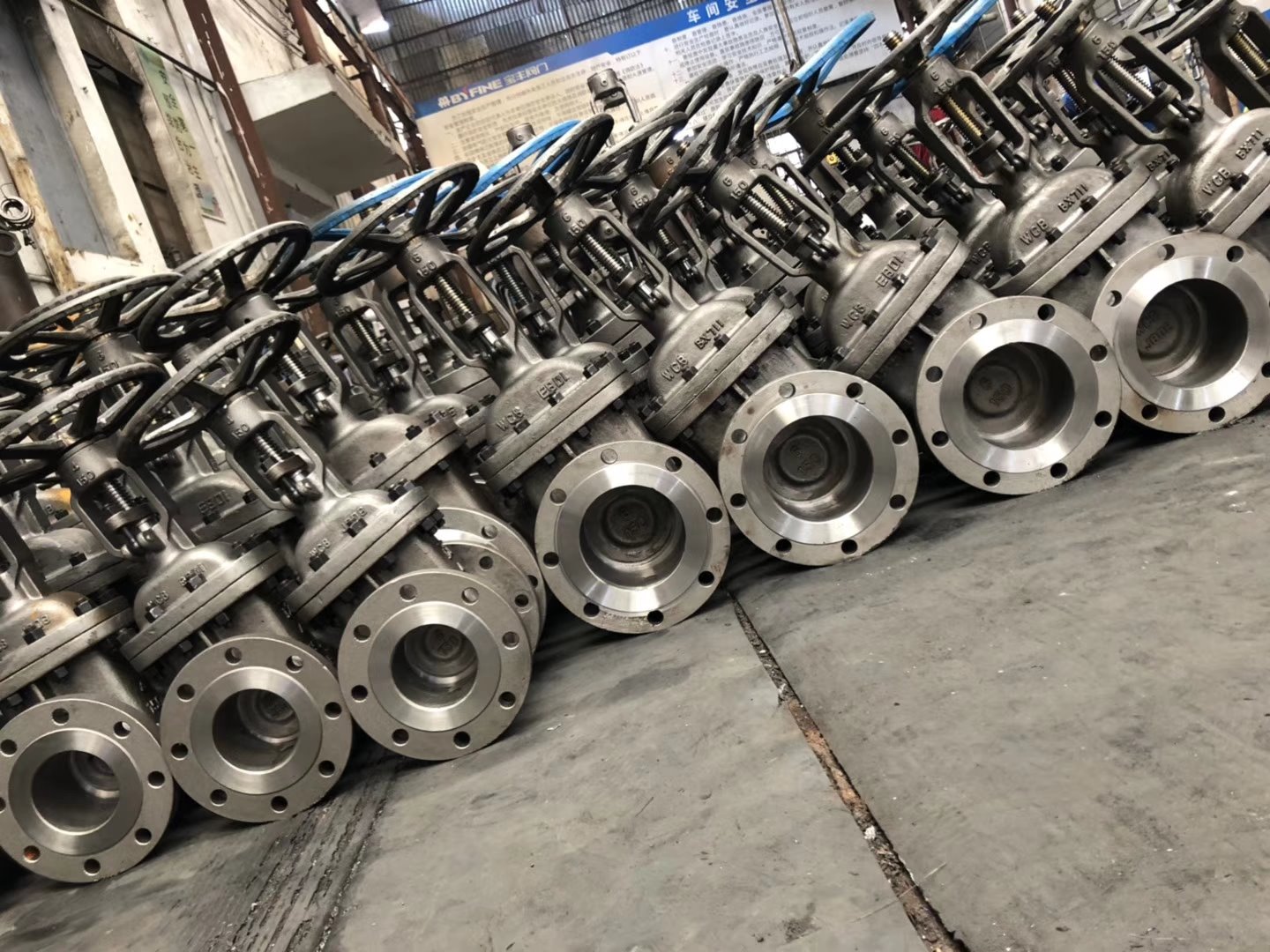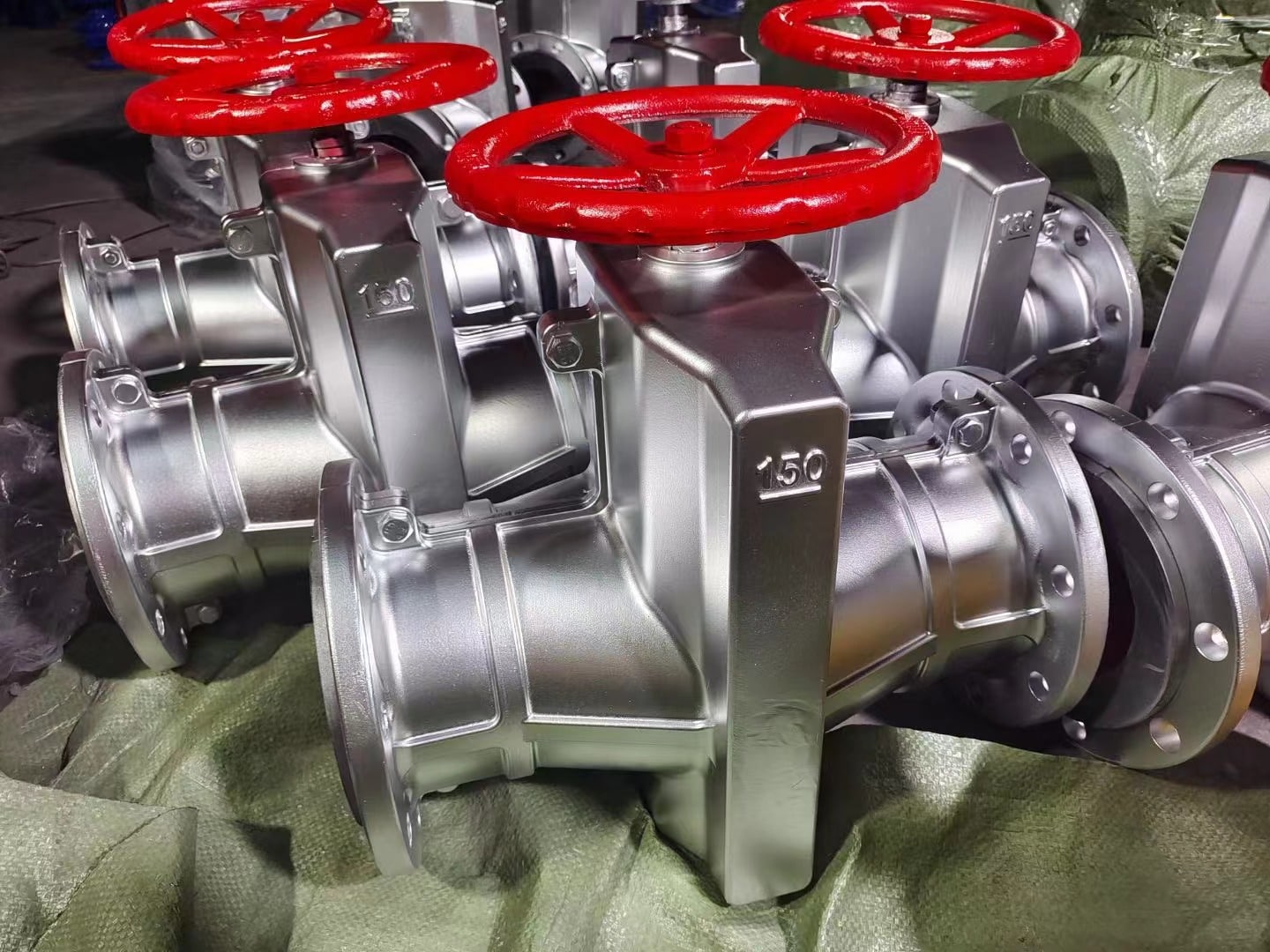
At ValvesOnly Supplier in USA, exotic metal valves play a crucial role in industries where standard materials cannot withstand extreme conditions. Chemical processing plants, marine operations, and petrochemical facilities often handle highly corrosive, abrasive, or high-temperature media, which can quickly degrade conventional valves. In such environments, valves made from Hastelloy, Titanium, and Alloy 20 provide unmatched corrosion resistance, strength, and long-term reliability. Based on the type of fluid, temperature, and pressure present, every material has specific metallurgical properties that fit it for certain applications.
Choosing the finest unusual metal valve calls for not only material selection but also a thorough knowledge of chemical compatibility, mechanical stability, and operating needs. While evaluating the cost implications of large installations, engineers and operators should think about how these materials behave under continuous exposure to corrosive media, pressure cycle stress, and high-temperature surroundings.
Why Alloy 20, Hastelloy, and Titanium Valves Are Often Compared?
Because they fill similar niches—applications where typical stainless steels fail—these three substances are often examined jointly. Hastelloy handles oxidizing and reducing conditions whereas Alloy 20 is commonly used in sulfuric acid services; Titanium shines in chloride-rich settings and seawater. Engineers examine them closely while choosing valves for demanding service environments since their overlapping corrosion resistance profiles guide them.
Cost versus performance balance is another cause of comparison. Hastelloy and Titanium offer higher investment with great protection. Knowing their unique qualities enables operators to understand material economy and performance efficiency.
Design and Operation Differences
Despite serving similar applications, the design and operational performance of valves constructed from these alloys vary due to their metallurgical composition and mechanical behavior.
Alloy 20 Valves
- Primarily constructed of iron, chromium, nickel, and molybdenum with some copper to provide resistance to sulfuric acid.
- Provide outstanding performance in environments with phosphoric acid and hot sulfuric acid.
- Their strong mechanical strength and weldability suit them for systems operating at medium-pressure and temperatures.
- Less likely to suffer stress corrosion cracking.
Hastelloy Valves
- Usually composed of molybdenum, nickel, and chromium; occasionally with tungsten.
- Remarkable in oxidizing and reducing chemical settings, especially with hydrochloric, hydrofluoric, and nitric acids.
- Often applied when mixed or variable chemical conditions are included in the procedure.
Titanium Valves
- Valves made of alloys of pure titanium or titanium (like Grade 2 or Grade 5) exhibit good salt and chloride resistance.
- Even at high temperatures, they create a thick, oxide coating that is corrosion resistant.
- Excellent for marine operations, offshore oil and gas, and desalination.
- Designers of lightweight systems also benefit from titanium's great strength-to-weight ratio.
Comparison Table: Key Technical Attributes
| Parameter | Alloy 20 | Hastelloy | Titanium |
| Material Composition | Ni-Fe-Cr-Mo-Cu alloy | Ni-Mo-Cr alloy | Pure Ti or Ti alloys |
| Corrosion Resistance | Excellent in sulfuric acid | Exceptional in mixed acids | Best in chlorides and seawater |
| Operating Temperature Range | Up to ~315°C | Up to ~400°C | Up to ~540°C (depending on grade) |
| Strength-to-Weight Ratio | Moderate | High | Very high |
| Installation Considerations | Easier to machine and weld | Requires skilled fabrication | Difficult machining, needs inert gas welding |
| Flow Characteristics | Smooth internal surface minimizes friction loss | Stable under pressure variations | Consistent even in high-salinity fluids |
| Maintenance Frequency | Moderate | Low, due to chemical resistance | Low, but specialized handling required |
| Typical Applications | Sulfuric acid, phosphoric acid plants | Chemical reactors, evaporators | Desalination, marine, aerospace |
| Relative Cost | Moderate | High | Very high |
Flow Characteristics and Performance
Flow behavior in valves depends not only on geometry but also on surface smoothness, chemical stability, and resistance to erosion.
- Alloy 20 Flow Performance
Under moderate temperatures and pressures, Alloy 20 valves provide consistent flow. They resist scaling in acidic conditions and have a smooth surface that minimizes friction losses. Long-term flow consistency, however, might be affected by protracted exposure to very oxidizing compounds that dull the surface.
- Hastelloy Flow Performance
Under changing pressure and chemically harsh environments, Hastelloy valves perform well in preserving steady flow rates. Their great resistance to both pitting and crevice corrosion guarantees little internal roughness, therefore keeping ideal flow over lengthy operation cycles.
- Titanium Flow Performance
Titanium valves have exceptional flow stability especially in systems based on chloride- and sea water. Natural oxide film is ideal for ongoing or high-salinity flow applications as it maintains low friction and prevents corrosion or buildup deposits from developing.
Operational Efficiency and Longevity
Valve material choice greatly impacts performance under continuous industrial conditions. Alloy 20 ensures reliable flow in moderate temperatures and acidic environments. Hastelloy provides excellent stability in mixed chemical conditions and fluctuating temperatures. Titanium excels in chloride-rich or saline systems, offering long-term durability and lightweight strength.
Alloy 20 Reliability
- Smooth flow in acidic conditions with minimal scaling.
- Consistent performance under moderate pressures and temperatures.
Hastelloy Stability
- Maintains performance in variable chemical and temperature conditions.
- Ideal for processes requiring consistent reliability.
Titanium Durability
- Continuous corrosion resistance in marine and high-chloride applications.
- Long-lasting performance with high strength-to-weight ratio.
Focusing on efficiency, stability, and durability ensures the right exotic metal valve supports smooth operations, reduces downtime, and maximizes system lifespan. At Valves Only Manufacturer in USA, we provide guidance and material comparisons to help select valves for extreme environments.
Selecting the Right Material
Choose Alloy 20 when:
- The process involves sulfuric, phosphoric, or nitric acids.
- Moderate corrosion protection suffices at reasonable cost.
- System temperatures and pressures are within standard ranges.
Choose Hastelloy when:
- Handling strong oxidizers, reducers, or mixed chemical environments.
- Long service life with minimal maintenance is a priority.
- Equipment faces frequent temperature and composition variations.
Choose Titanium when:
- The application involves chlorides, seawater, or marine exposure.
- Weight reduction is desirable along with high corrosion resistance.
- Long-term service in saline or oxidizing media is needed.
Which Valve Material Excels in Which Situation
Each alloy serves a distinct operational niche:
- Alloy 20 performs best in acidic process industries.
- Complex chemical reactors with different chemical profiles favor Hastelloy.
- Leading in the desalination, maritime, and aerospace markets is Titanium.
Balancing Performance with Practicality
Every material has unique advantages concerning flow efficiency, operational stability, and corrosion resistance. Long-term cost-effectiveness and operational safety are guaranteed by rigorous research of chemical compatibility, temperature range, and maintenance viability.
Choosing the correct valve material will help maintain process integrity and lower downtime. By speaking with material specialists or certified valve engineers, one can confirm the alloy you select does precisely satisfy your specific service demands.
At Valves Only, we provide in-depth technical insights to help you choose the most suitable material for extreme industrial environments.