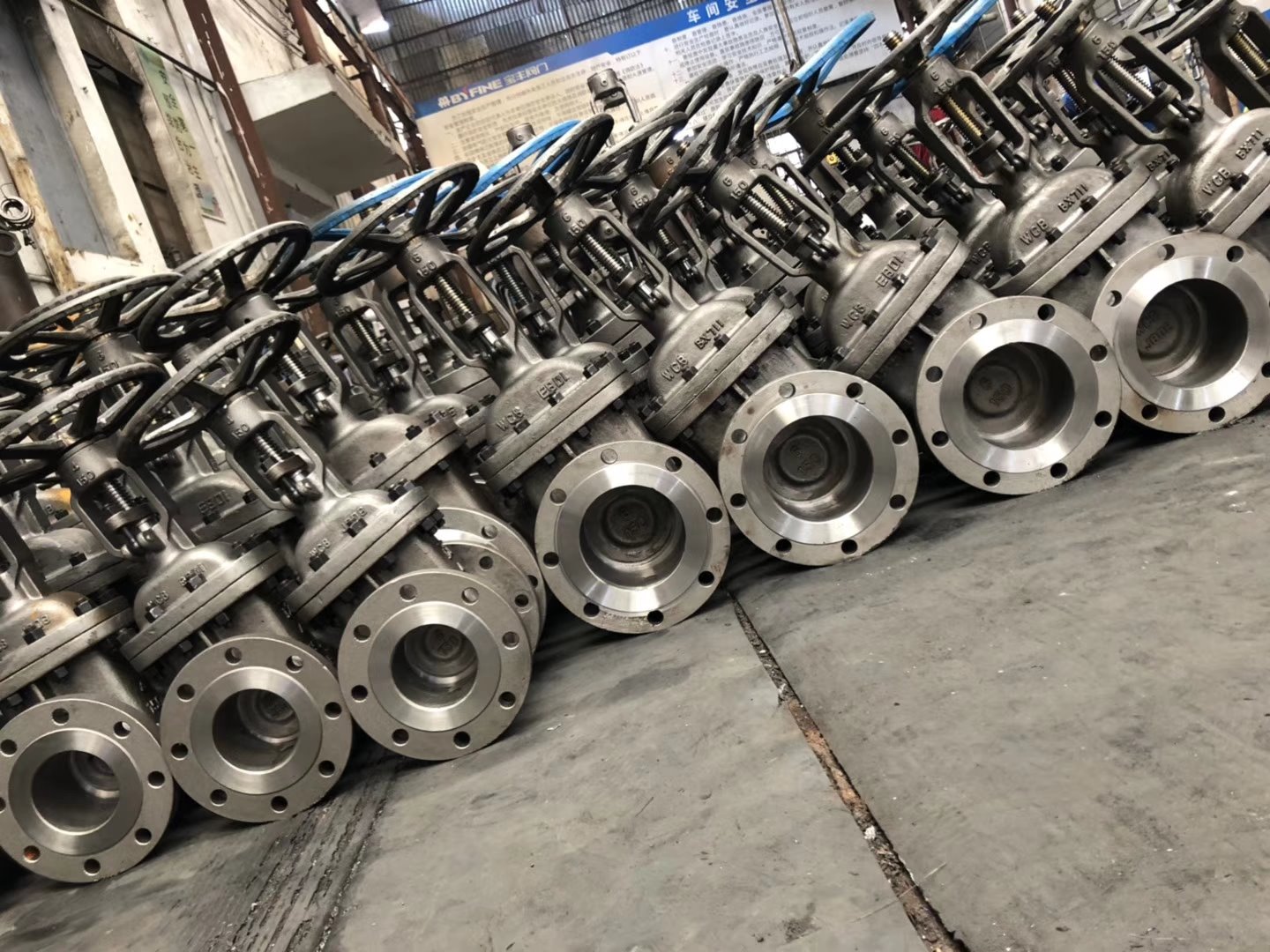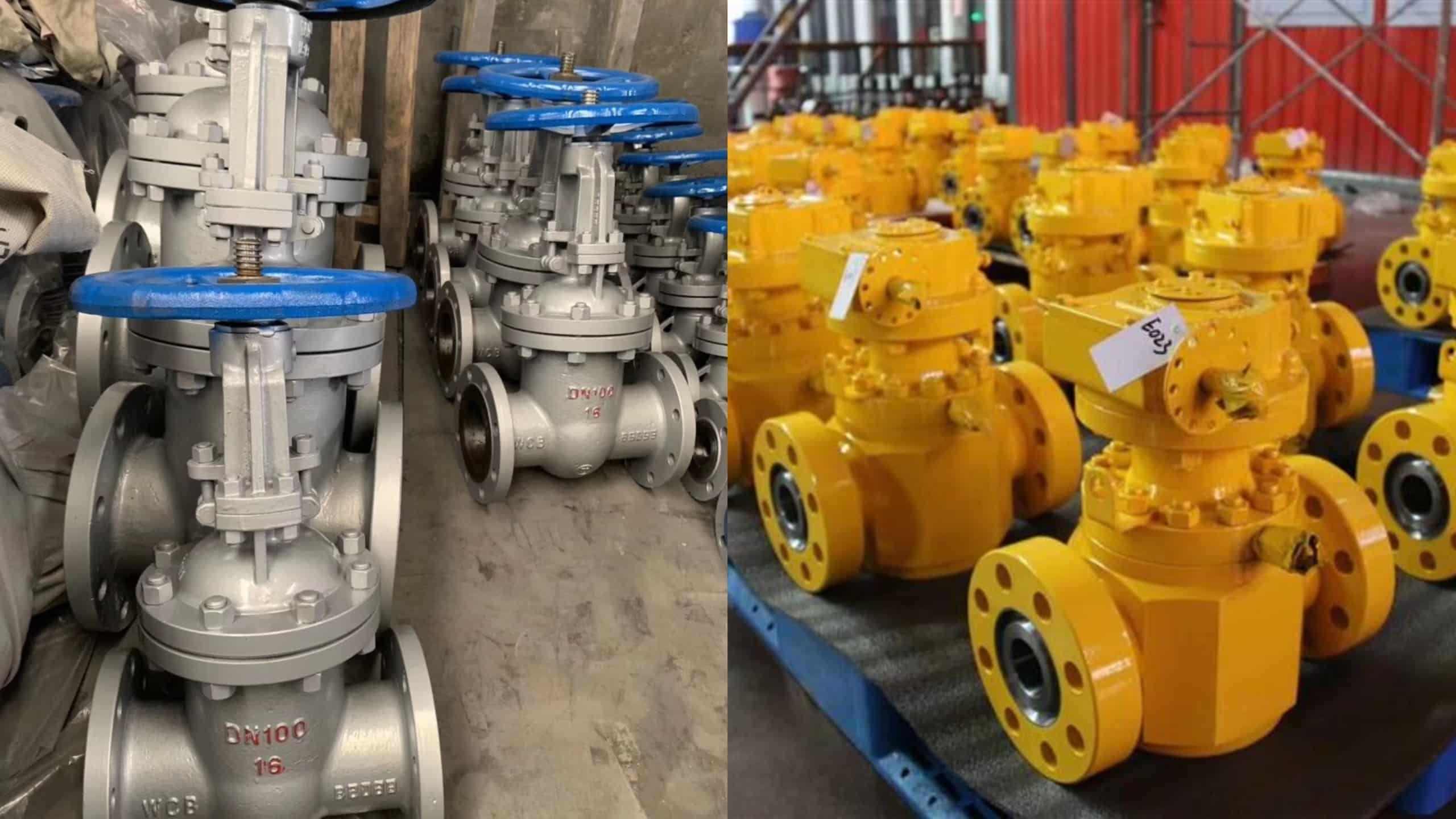
Gate Valve and Ball Valve are commonly used in industrial piping systems for isolation and flow control; their appropriateness varies, nevertheless, based on system needs and running conditions. Selecting one of these two valve types directly influences flow efficiency, shutoff performance, and maintenance plan. Although a Gate Valve and Ball Valve Supplier in USA makes valves that satisfy industry standards, the differences in their design, operation, and performance affect the decision. Understanding these differences enables procurement teams and engineers to select the optimum valve for each use.
Gate valves are perfect for on-off use since they give full-bore isolation with very little pressure loss using straight line motion. On the other hand, ball valves are great for automated uses and places where they will be used a lot because they can be turned a quarter of a turn and they shut off tightly. Technical recommendations from Valves Only assists engineers in understanding standards and selection criteria to guarantee correct valve integration and long-term system dependability.
Why Gate Valves and Ball Valves Are Often Compared
Although both gate valve and ball valve are sometimes used for isolation in industrial piping systems, their design, operation, and performance vary and call for research to guarantee the best choice. Knowing these differences enables procurement divisions and engineers to pick the optimum trustworthy and efficient valve for a particular use.
Main justifications for their comparison:
- Operation type: Ball valves use quarter-turn rotation; gate valves use linear motion.
- Shutoff performance: At high pressure, ball valves give superior shutoff.
- Speed of operation: Ball valves operate faster, so they are perfect for on-off cycles that happen a lot.
- Maintenance and durability: Gate valves are more effective in big lines; ball valves need less maintenance.
- Application suitability: Gate valves Perfect for automated or quick-cycling systems, ball valves are also excellent for full-bore isolation.
Using this systematic method, engineers can assess each valve type according to lifecycle, efficiency, and running needs.
Key Design Differences Between Gate Valves and Ball Valves
The fit for particular uses, performance, and maintenance of gate and ball valves vary depending on their basic design:
| Feature | Gate Valve | Ball Valve |
| Motion Type | Linear (wedge rises/lowers perpendicular to flow) | Quarter-turn rotational |
| Shutoff | Wedge between seats; may allow minor leakage | Bubble-tight, resilient or metal seats |
| Stem & Seat | Rising or non-rising stem; metal or resilient seats | Trunnion-mounted or floating ball; resilient/metal seats |
| Operation Speed | Slow | Fast (quarter-turn) |
| Maintenance | Requires periodic inspection of wedge, stem, seats | Low maintenance; fewer moving parts |
| Application | Best for full-bore isolation in large pipelines | Best for quick shutoff, frequent cycling, or automated systems |
Knowing these design variations enables engineers to decide which valve form is more appropriate for automation, isolation, or high-cycle applications.
Operating Mechanism
The performance and uses of a valve depend exactly on its mode of operation. The operating system of a valve determines its opening profile, pressure seal capability, and frequency of cycling without wear. Choosing valves for automation, isolation, or heavy-duty applications depends on an understanding of this variance.
- Linear motion with wedge-shaped gate for full open/close
- Minimal pressure drop when fully open
- Not appropriate for throttling; great for sporadic use
- Perfect for isolating high-pressure pipelines and big-diameter lines
- Quarter-turn rotation of spherical ball for on/off control
- Fast operation with tight sealing
- Supports frequent cycling and automation
- Compact design, reliable under high pressure
Pressure and Temperature Handling Capabilities
Since pressure and temperature limits directly affect valve dependability, sealing integrity, and general lifespan, they are important considerations in valve selection.
Gate Valves
- Typically rated up to 250 psi
- Standard operating temperature range of 0°C to 80°C
- Full-bore design supports large-diameter pipelines
- Best suited for infrequent operation in fully open or fully closed positions
Ball Valves
- Designed for higher pressure applications, with ratings commonly up to Class 600
- Maintain tight shutoff under rapid pressure fluctuations
- Suitable for frequent cycling without loss of sealing performance
- Operate reliably across similar temperature ranges depending on materials
Material and Construction Variations
| Parameter | Gate Valves | Ball Valves |
| Body Materials | Ductile iron, cast iron, carbon steel, stainless steel | Carbon steel, stainless steel, alloy steel |
| Internal Closure Element | Solid or flexible wedge (metal or resilient seated) | Precision-machined ball (floating or trunnion-mounted) |
| Stem Material | Stainless steel (typically SS 410 / 304 / 316) | Stainless steel or alloy steel |
| Seat Materials | Metal-to-metal or resilient seats (EPDM, NBR) | PTFE, RTFE, metal seats for high-pressure/high-temp service |
| Coating / Surface Protection | Epoxy or fusion-bonded epoxy (FBE) coatings | Optional coatings; corrosion resistance achieved via material grade |
| Construction Design | Linear motion, full-bore flow path | Quarter-turn design with tight shutoff geometry |
| Typical Standards | API 600, API 603, AWWA C509 / C515 | API 608, API 6D, ANSI B16.34 |
| Typical Applications | Large pipelines, isolation duty, infrequent operation | High-pressure systems, automation, frequent cycling |
Gate Valve vs Ball Valve: How Do You Select the Right One?
The system's design, working circumstances, and maintenance instructions define the right valve type. Because gate and ball valves may be used in so many ways, they are somewhat special. Understanding these differences helps procurement teams and engineers to maximize lifetime expenses, dependability, and performance..
Gate Valves
- Ideal for full-bore flow and minimal pressure drop
- Best suited for infrequent operation and long-term isolation
- Common in large-diameter pipelines and utility systems
- Not recommended for throttling or rapid cycling
Ball Valves
- Offer quick quarter-turn operation for fast shutoff
- Provide tight sealing, even under high pressures or rapid cycling
- Suitable for automated systems and emergency shutoff
- Can handle moderate throttling but primarily designed for on/off control
Conclusion
Engineers and procurement departments understanding the distinctions across Ball valves and Gate valves helps to ensure dependable system performance. In large pipelines, Gate valves provide dependable full-bore isolation. Ball valves in industrial piping give quick, quarter-turn operation with good shutoff. Careful consideration of pressure rating, material criteria, size and operational needs ensure the best valve is selected for long-term usage. Choosing the right valve type will significantly improve overall system efficiency, reduce maintenance needs and boost overall operational safety.
A Gate Valve and Ball Valve Supplier in USA provides premium valves meant for industrial toughness and consistent performance. To help you choose the best valve type, material, or size for your system, Valves Only technical team can offer expert opinions adapted to your running circumstances.