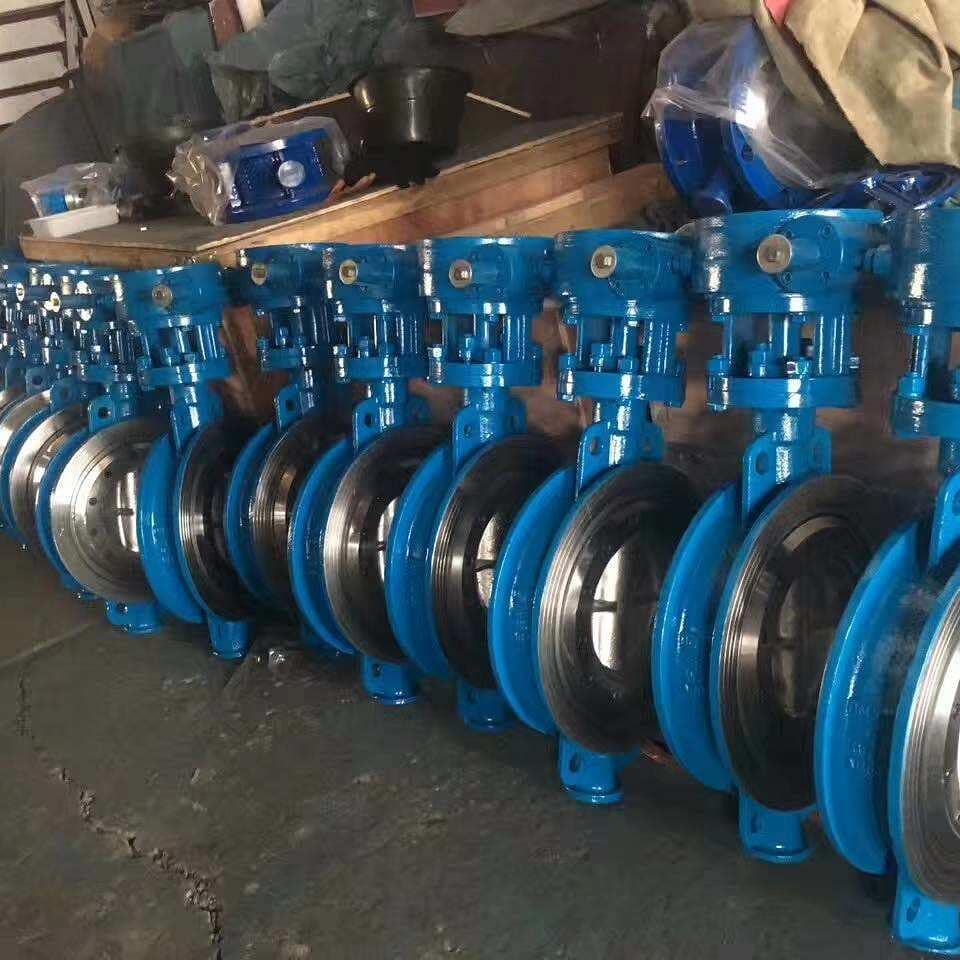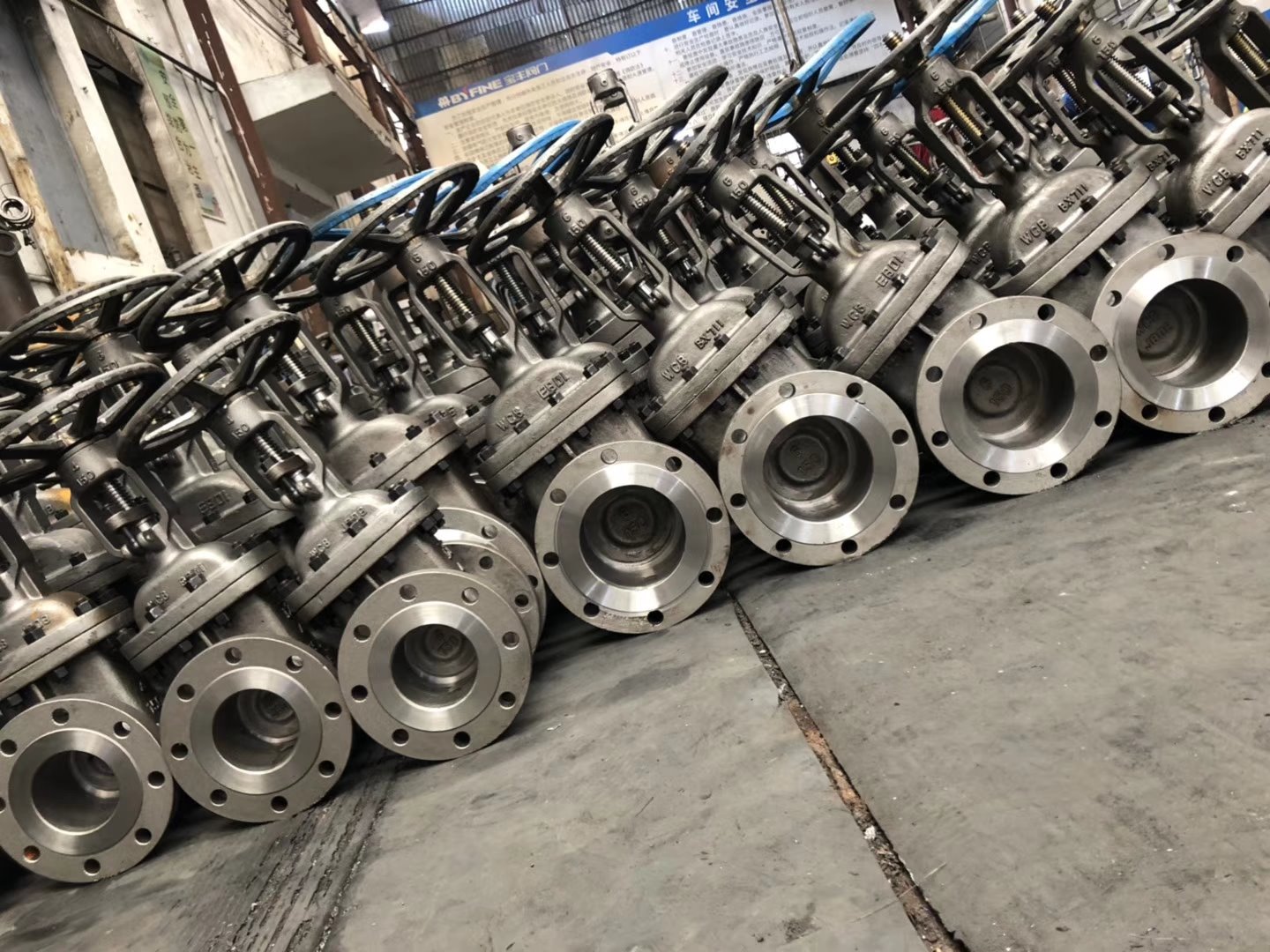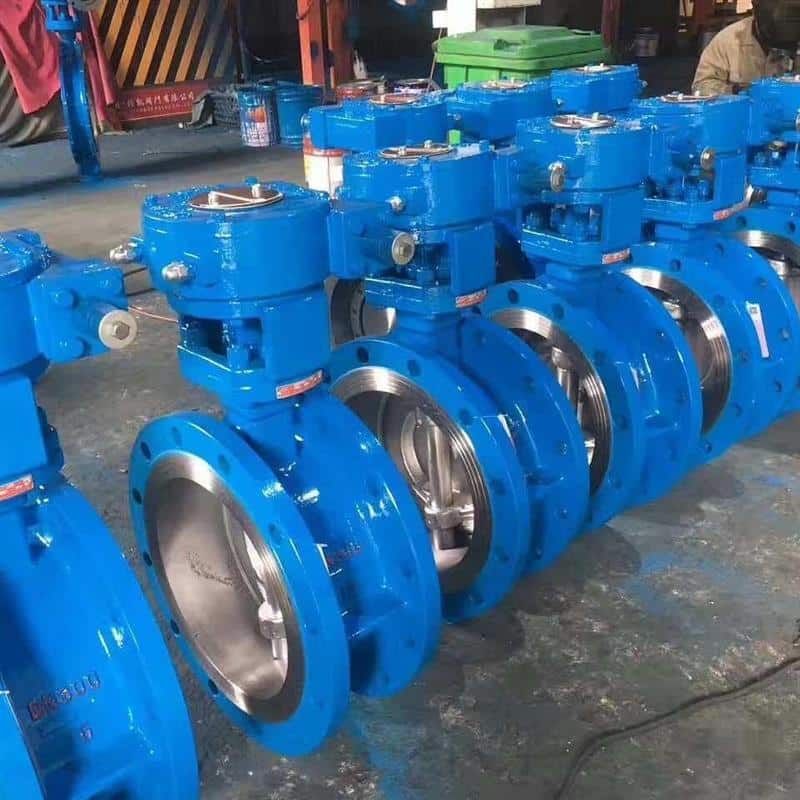
An AWWA valve is an industrial valve made and tested to meet criteria set by the American Water Works Association (AWWA). For non-process pipeline systems, these guidelines specify valve design, size, pressure classes, materials, testing techniques, and projected service life. Especially if obtained from an AWWA Valve Supplier in USA, compliance guarantees interchangeability, mechanical integrity, and regulatory approval for controlled infrastructure installations. Following these guidelines guarantees uniformity of performance, compatibility, and traceability throughout distributed pipeline networks.
Valves Only emphasizes that AWWA compliance is defined strictly by documented standards rather than application assumptions.This article explains what qualifies a valve as an AWWA valve and how AWWA standards influence its design, performance, and application.
An AWWA valve is not identified by the fluid it handles or by the industry in which it is used. It is defined entirely by compliance with a specific AWWA standard.
What is an AWWA Valve?
A valve qualifies as an AWWA valve when:
- Its design and dimensions meet an AWWA standard.
- Its pressure class aligns with AWWA-defined limits.
- Its materials and coatings satisfy AWWA and NSF requirements.
- It passes standardized hydrostatic and leakage testing.
AWWA standards were created for large-diameter, low-to-moderate pressure pipelines where:
- Interchangeability is critical.
- Long service life is expected.
- Field maintenance must be straightforward.
Unlike API, ASME, or ISO valves, which are often intended for high-pressure process systems, AWWA valves focus on reliable, low-maintenance operation for water and utility pipelines.
Scope Defined by AWWA Standards
AWWA standards establish uniform construction and performance requirements rather than proprietary valve designs. Their purpose is to ensure consistency, interchangeability, and predictable operation where AWWA compliance is specified.
They define:
- Face-to-face and laying length dimensions
- End connections such as flanged and mechanical joints
- Allowable working pressure ratings
- Minimum wall thickness criteria
- Approved materials
- Coating and lining requirements
- Shell and seat leakage test procedures
AWWA standards do not cover:
- High-temperature service
- Pressure classes outside defined AWWA limits
- Precision throttling or control performance
This clear boundary helps ensure AWWA valves are applied strictly within their intended standard scope.
Key AWWA Valve Standards
| AWWA Standard | Valve Type | Key Features | Pressure Class | Size Range |
| AWWAC500 | Metal-Seated Gate Valve | Metal seating, full-port, rising or non-rising stem | 125 / 150 psi | DN75–DN600 |
| AWWAC509 | Resilient-Seated Gate Valve | Elastomer-coated wedge, zero leakage isolation | 200 psi | DN80–DN600 |
| AWWAC515 | Reduced-Wall Gate Valve | Same performance as C509 with reduced wall thickness | 200 psi | DN80–DN600 |
| AWWAC504 | Rubber-Seated Butterfly Valve | Quarter-turn, compact design | 150 / 250 psi | DN75–DN3600 |
| AWWAC507 | Ball Valve | Trunnion or supported ball, tight shutoff | 150 / 250 psi | DN150+ |
| AWWAC508 | Check Valve | Swing, lift, or tilting-disc, automatic operation | 150 / 250 psi | DN50–DN1200 |
| AWWAC512 / C516 | Air Valves | Air release and vacuum protection | System dependent | DN25–DN300 |
Intended Operating Role of AWWA Valves
AWWA valves are built for simple, reliable operation, not fine process control.
They are used for:
- Isolation, operating fully open or fully closed
- One-directional flow control in check valves
- Limited flow adjustment in butterfly valves
They are not suitable for:
- Precision throttling or modulation
- Frequent rapid cycling under high pressure
- High-temperature or high-pressure process service
Their torque, sealing, and stem designs are optimized for straightforward manual or actuator-assisted operation rather than continuous control.
AWWA Valve Types and Standards
| Valve Category | AWWA Standards | Description |
| Gate Valves | C500, C509, C515 | Full-port isolation valves with metal or resilient seating |
| Butterfly Valves | C504 | Quarter-turn valves with rubber-seated design |
| Ball Valves | C507 | Large-diameter ball valves with tight shutoff |
| Check Valves | C508 | Automatic valves preventing reverse flow |
| Air Valves | C512, C516 | Air release and vacuum protection devices |
| Backflow Assemblies | C510, C511 | Double check and reduced-pressure assemblies |
Materials Used in AWWA Valves
AWWA standards define acceptable materials to balance strength, corrosion resistance, and service life.
Commonly Used:
- Ductile Iron (ASTM A536): Body and bonnet
- Stainless Steel (304 / 316): Stem and fasteners
- EPDM / NBR: Seats and seals
- Fusion Bonded Epoxy (FBE): Internal and external coating
Other Permitted Materials (Special Applications):
- Cast Iron, Carbon Steel, Bronze/Brass
- Nickel-based alloys for select components
- Polyurethane or rubber liners in butterfly valves
- Cement mortar linings (per AWWA C104)
Most coatings satisfy NSF/ANSI 61 requirements for portable compatibility.
How Are AWWA Valves Tested and Certified?
Strict testing of AWWA valves guarantees adherence to performance and safety criteria.
Key Tests Include:
- Hydrostatic Shell Test: Verifies body strength under maximum pressure
- Seat Leakage Test: Ensures tight shutoff (zero or minimal leakage)
- Operational / Torque Test: Confirms manual or actuator operation requirements
- End Connection Test: Checks sealing of flanged or mechanical joints
- Coating & Lining Inspection: Ensures internal and exterior coatings comply with NSF/ANSI 61 and AWWA requirements.
Pressure, Temperature & Size Ranges
AWWA valves operate within clearly defined limits.These limits are intentional and aligned with the service envelope defined by AWWA standards.
| Parameter | Typical Range |
| Pressure Class | 150, 200, 250 psi |
| Temperature | 0°C – 80°C |
| Nominal Size | DN50 – DN3600 |
Applications of AWWA Valves
AWWA valves are chosen whenever project requirements call for adherence to AWWA criteria. Their use is driven by standard requirements, not by general industry preference.
Typical scenarios include:
- Authority-regulated pipeline projects
- Utility-managed infrastructure
- Large-diameter transmission networks
- Non-process flow systems
Working with an experienced AWWA valve manufacturer in USA guarantees that valves satisfy all dimensional, material and testing criteria outlined by the standard, hence ensuring trustworthy and compliant performance.
How to Choose the Right AWWA Valve
Choosing the best AWWA valve calls for close consideration of project needs and adherence to standards. Important things to think about are:
- Required AWWA Standard: Ensure the valve type matches the specified standard.
- Pressure Class: Verify compatibility with system operating pressure.
- End Connections: Confirm flanged, mechanical joint, or other connection types.
- Coating and Lining: Check material and protective coatings for compliance and durability.
- Operation Method: Match valve actuation to manual or automated systems.
Choosing the wrong standard or configuration can result in installation issues, project delays, or authority rejection, so adherence to specifications is critical.
Conclusion
Strict adherence to established standards separates AWWA valves from ones based on application-related conceptions. Engineers and procurement departments can select valves that satisfy long-term performance goals as well as legal requirements by being knowledgeable about AWWA standards, pressure ratings, material limits, and verification standards. Knowing the standard right could be more important than the type of valve if a project calls for AWWA compliance. Showing adherence to these standards mostly relies on proper testing, certification, and documentation. Regular following of inspection and installation rules helps to ensure dependable valve performance throughout its intended lifespan.
As an AWWA Valve Supplier in USA, Valves Only emphasizes standards-based selection supported by proper testing and documentation to ensure reliable service throughout the valve’s lifecycle. For projects referencing AWWA specifications, a careful technical review can help confirm suitability and compliance without unnecessary over-specification.