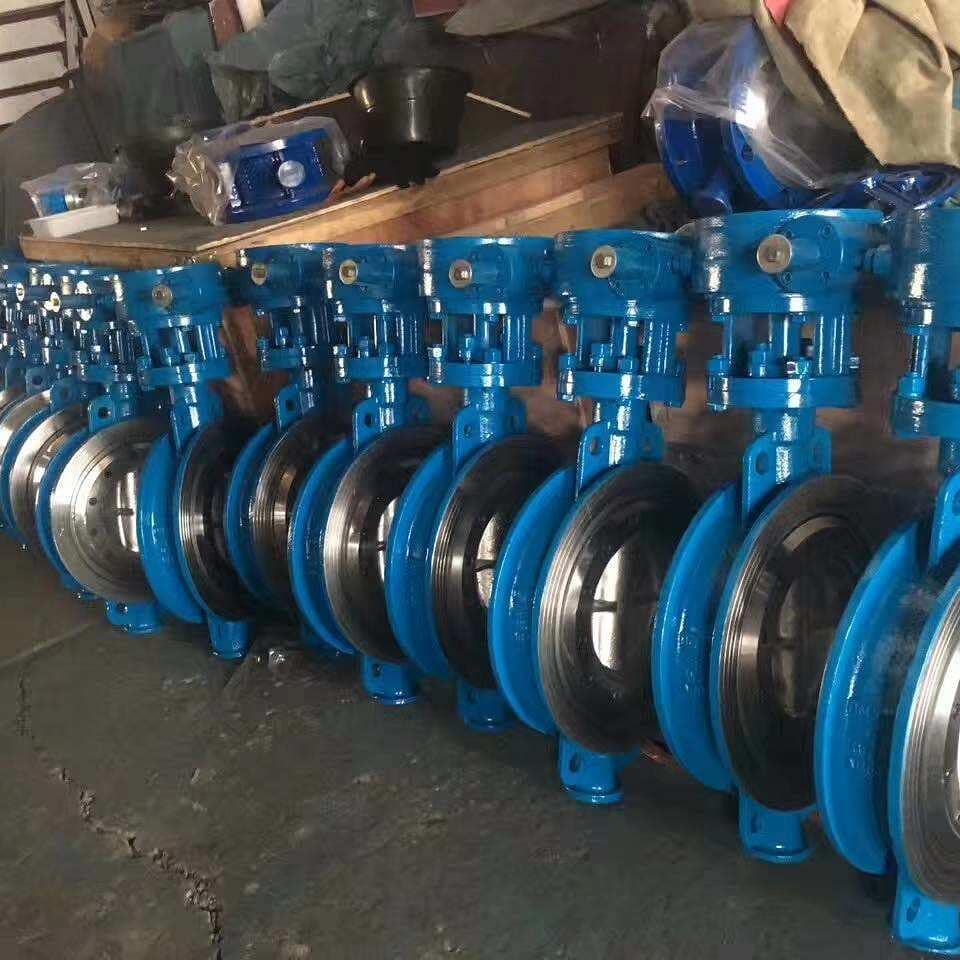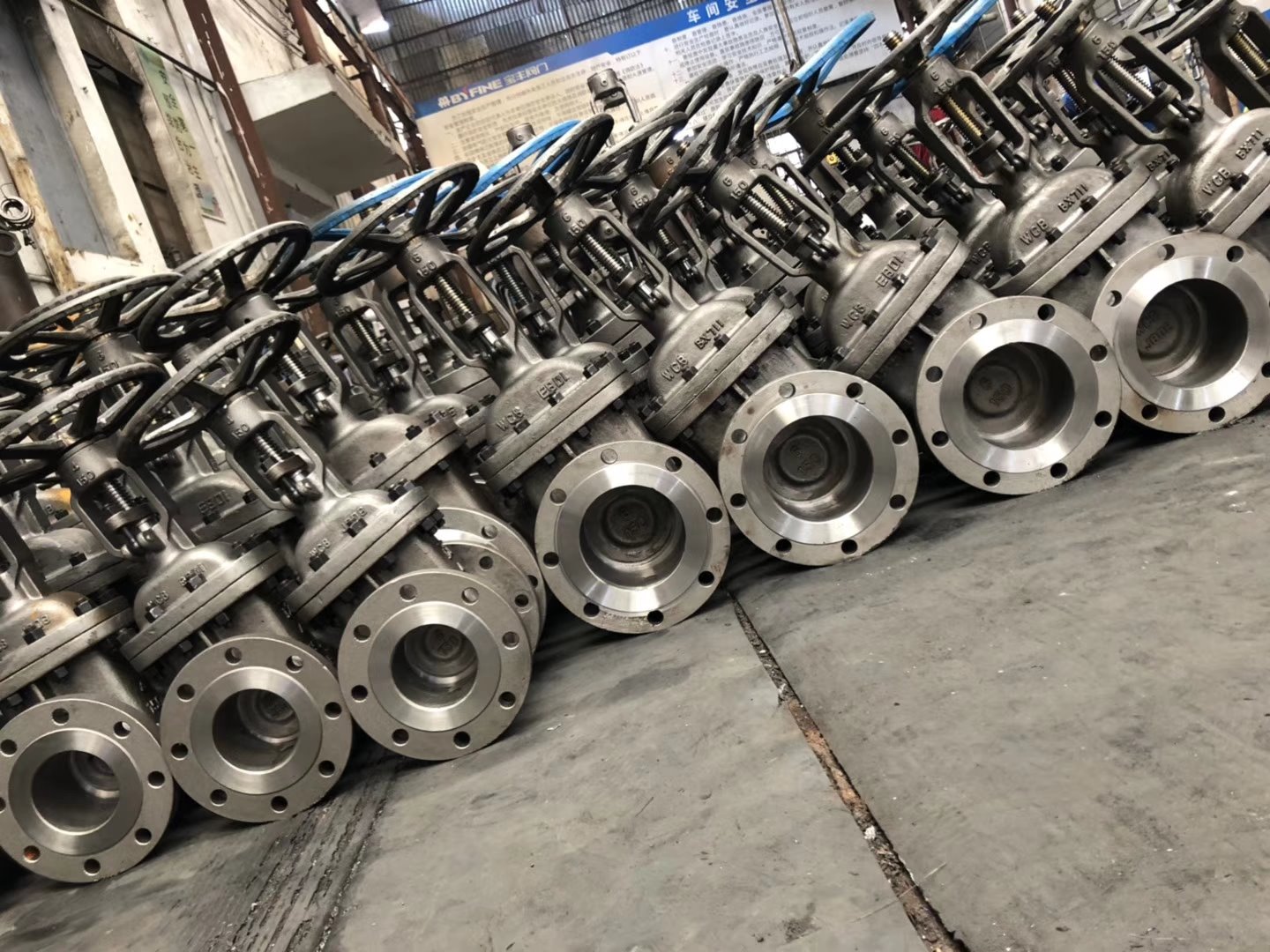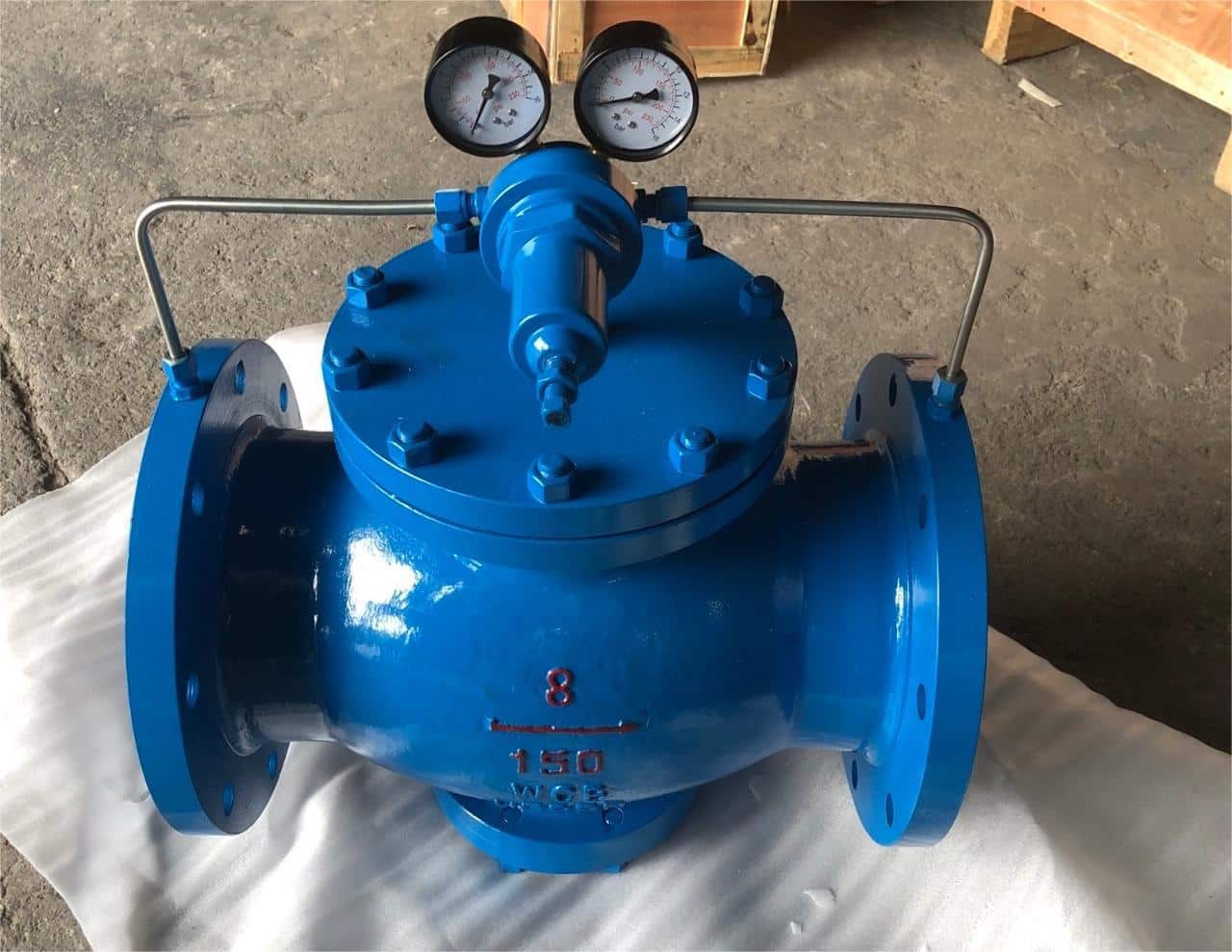
Maintaining the proper pressure level is essential for the safety, performance, and lifespan of equipment in sophisticated industrial fluid systems. Excessive pressure can cause pipeline ruptures, backflow issues, and expensive downtime. Too little pressure, however, can also cause operational disruptions. In order to solve these problems, Pressure Reducing Valves (PRVs) are necessary.
Valves Only creates and sells premium PRVs as a respected producer of Pressure Reducing Valves in the United States. In a variety of sectors, including water treatment, power, and oil and gas, these valves guarantee consistent downstream pressure, prevent surges, and preserve system stability.
What is a Pressure Reducing Valve?
The inlet pressure is automatically regulated and reduced by a Pressure Reducing Valve, sometimes referred to as a pressure regulator, to a preset downstream pressure level. It maintains a consistent flow even when the upstream pressure fluctuates.
These valves are essential in systems that need a pressure drop for safety or efficiency, and they shield downstream equipment from harm caused by too much pressure.
How Pressure Relieving Valves Function
By balancing the forces between the spring, diaphragm, and valve seat, pressure reducing valves function.
The spring forces the valve open, allowing fluid to pass through when the downstream pressure falls below the setpoint. The valve is throttled and the spring is compressed as downstream pressure rises, lowering flow.
Regardless of changes in inlet pressure or demand, this automated system maintains a steady outlet pressure. PRVs, at their core, maintain flow and direction, assuring the system's efficient operation and safe functioning.
Flow, Direction, and Process
A Pressure Reducing Valve is designed for unidirectional flow. To guarantee proper orientation during installation, this is typically indicated by an arrow on the body.
The inlet allows fluid to enter under high pressure, then it passes over the regulating mechanism (seat and disc) before exiting at a regulated, lower pressure. Maintaining the correct flow direction is essential for preventing backflow and guaranteeing reliable pressure management.
Depending on system design, PRVs can be either pilot operated or direct acting, each with its own unique mechanism and response time.
Varieties of Pressure Reducing Valves
PRVs that act directly
- They are small and easy to use.
- They are frequently seen in household or low flow applications.
- Their operation is based on a spring and diaphragm system.
PRVs operated by a pilot
- They are well suited for use in high pressure, high capacity environments.
- The primary valve is regulated by a pilot valve that detects downstream pressure.
- They offer greater precision and a quicker reaction time.
PRVs with a Balanced Piston
- They are intended to regulate significant pressure differences.
- They mitigate the effects of variations in inlet pressure, resulting in a steady outlet pressure.
PRVs with a Dome Load
- For pressure control, these use compressed air or gas rather than a spring.
- They are perfect for delicate flow systems and high precision industrial operations.
Pressure Classes and Materials
Our Pressure Reducing Valves are produced using high quality materials that adhere to stringent industry requirements at Valves Only. Depending on the process media, temperature, and pressure needs, the material selection varies:
- Materials for the body include ductile iron, bronze, stainless steel, and carbon steel.
- Materials for Trim: Monel, Hastelloy, stainless steel, and other alloys that resist corrosion
- Types of Sealing: Designs with metal seats or soft seats (EPDM, PTFE)
- Pressure Groups: ANSI 150 to 2500 / PN 10 to PN 420
Even in high stress environments, these material and class combinations provide safety and dependability.
Testing and Design Criteria
To guarantee performance, safety, and durability, our pressure reducing valves are made and tested in accordance with international standards.
Standards for Design and Production:
- Pressure control and safety design are covered by API 520 and API 526.
- ASME B16. 34 Pressure Temperature Ratings
- BS EN 12266: Valve testing and leak integrity
- Manufacturing that has earned ISO 9001 certification
Prior to shipment, each valve is subjected to hydrostatic, seat leakage, and operational testing to assure its pressure control performance and sealing integrity.
Frequent Uses in Industry
In businesses where regulated pressure is essential for safety and efficiency, pressure reduction valves are crucial:
- Oil and Gas Pipelines: Keep a steady downstream pressure to prevent the pipeline from bursting.
- Steam Systems: Manage steam pressure for boilers, turbines, and heating networks.
- Water Treatment Plants: Prevent overpressure from harming the pumping and filtration equipment.
- Power Generation: Monitor turbine inlets and high pressure feedwater systems.
PRVs assist in maintaining energy efficiency and mitigating operational hazards in all of these applications, as well as lowering system wear.
Advice for Installing and Maintaining a Pressure Reduction Valve
Proper installation and consistent maintenance help prolong the life and efficiency of the valve. Here are some essential recommendations:
1. Valve Orientation
The valve body should always have the flow direction indicator facing forward. Incorrect orientation can cause backflow or pressure instability.
2. Don't have backflow problems
When the system pressure unexpectedly decreases, a check valve placed downstream will stop reverse flow.
3. Keep an Eye on Pressure Drops
Use precise gauges upstream and downstream to identify odd pressure drops, which may point to internal wear or blockages.
4. Regular Valve Inspection
Plan routine checks for the seat, diaphragm, and pilot system. To guarantee consistent pressure regulation, replace damaged seals.
5. Calibration and Cleaning
Regularly get rid of any sediment or debris buildup. Regular calibration guarantees accurate pressure control for pilot operated versions.
Operators can prevent early failures and keep their valves operating at peak performance by adhering to these procedures.
Why Pressure Reducing Valves Are Vital in Industries
Without effective pressure control, industrial systems are prone to pressure surges, water hammer, and equipment damage. A high quality Pressure Reducing Valve maintains operational balance by automatically adjusting pressure levels protecting both assets and personnel.
They contribute to energy efficiency, cost savings, and process stability, making them indispensable in modern fluid control systems.
Why Choose Valves Only for Pressure Reducing Valves
We design our Pressure Reducing valves to deliver long term stability, precise control, and unmatched performance under demanding conditions. Our Supplying expertise, adherence to global standards, and engineering customization make us a trusted partner across industries.
Whether it’s oil, gas, steam, or water service, we guarantee safe, one way flow and protection from costly system failures. Share your process medium, temperature, and pressure details our engineers will help you select the best Pressure Reducing valve for your system.