In cryogenic service, where temperatures can plunge below 150°C, even the smallest backflow or leakage can lead to catastrophic failure. These extreme conditions demand a special class of cryogenic valves engineered to handle liquefied gases like LNG, nitrogen, and oxygen safely. As a Cryogenic Valve Supplier in USA, Valves Only designs valves that deliver safe, leak free operation in demanding low temperature environments, maintaining performance even under thermal contraction and rapid pressure changes.
Whether in LNG storage terminals or air separation units, cryogenic valves are vital for maintaining flow direction, preventing backflow issues, and controlling pressure drops in ultra cold systems. Let’s explore how these valves are designed, tested, and applied across key industries.
How Cryogenic Valves Work
Cryogenic valves control the flow of gases or liquids at extremely low temperatures. Their primary function is to regulate, isolate, or shut off cryogenic media to prevent product loss or damage to downstream components.
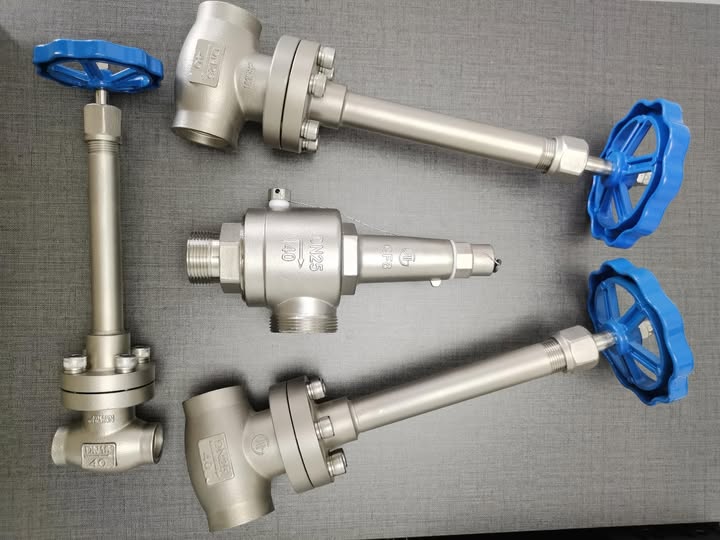
They work by maintaining a tight seal even when materials contract due to freezing temperatures. The valve’s internal design includes an extended bonnet and a long neck that separates the actuator or stem packing from the cold zone. This feature reduces the risk of frosting and keeps the gland area above freezing point, allowing smooth operation and easy valve inspection.
Cryogenic valves are typically installed in a vertical orientation, with the bonnet facing upward to maintain consistent temperature gradients and reduce stress on seals.
Flow Direction and Mechanism
Cryogenic valves are designed for unidirectional flow, ensuring that cryogenic fluids move smoothly without backflow.
Inside the valve, the trim mechanism (disc, seat, and stem) controls the flow path. When open, the valve allows the liquefied gas to pass through with minimal pressure drop. When closed, it isolates the flow tightly, preventing vapor leaks that could cause system inefficiency or safety hazards.
This precision makes cryogenic valves critical in applications where maintaining product purity and pressure balance is essential.
Types of Cryogenic Valves
Different cryogenic valve designs suit different pressure and temperature requirements. The most common types include:
- Cryogenic Ball Valve: Provides fast, quarter turn operation and tight shutoff. Ideal for LNG pipelines and storage tanks where rapid isolation is necessary.
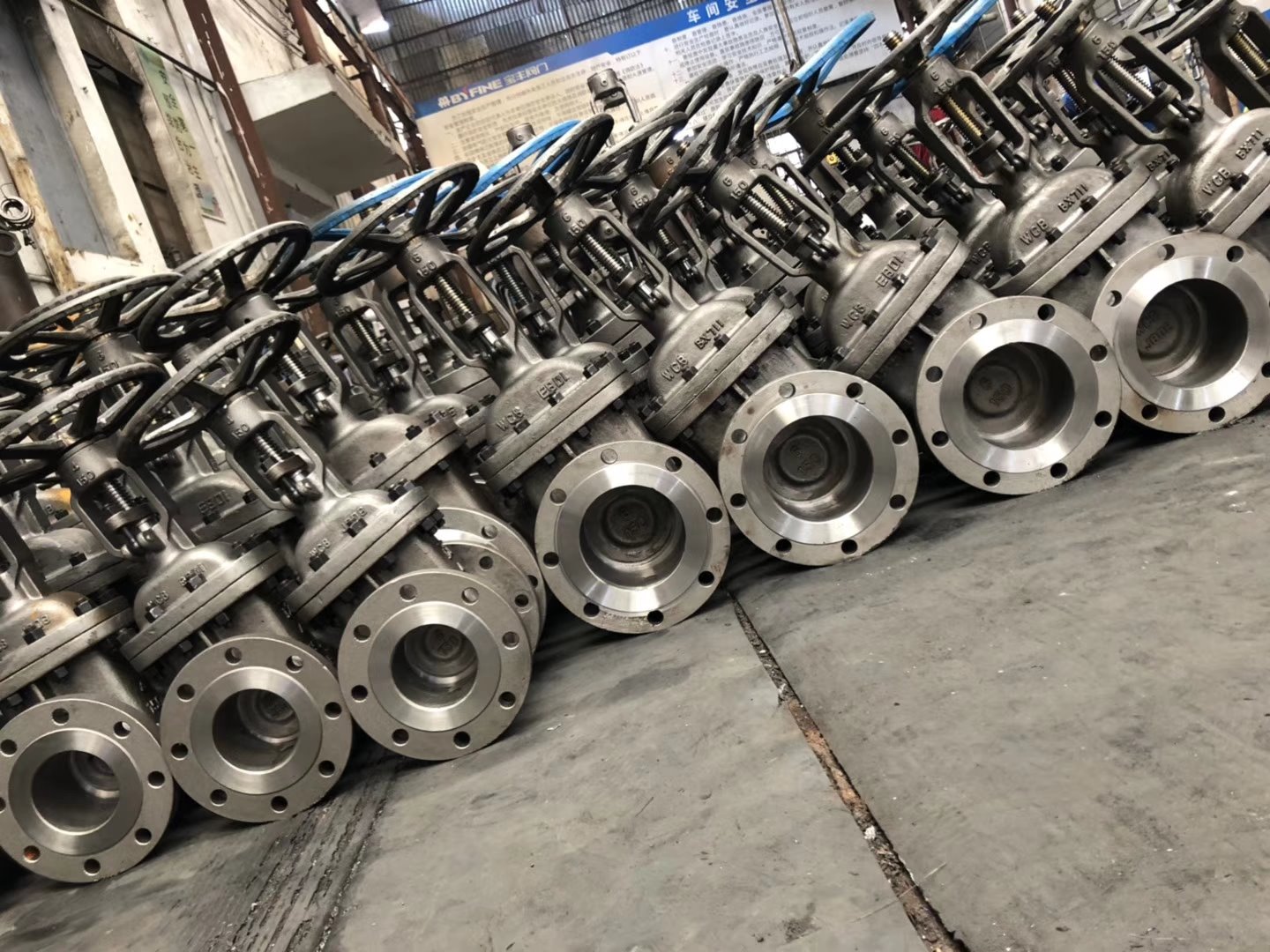
- Cryogenic Gate Valve: Offers minimal flow restriction and full bore opening. Used where pressure drop must be minimized.
- Cryogenic Globe Valve: Best for throttling or flow control applications in cryogenic systems.
- Cryogenic Check Valve: Prevents backflow automatically when pressure reverses essential in protecting pumps and compressors.
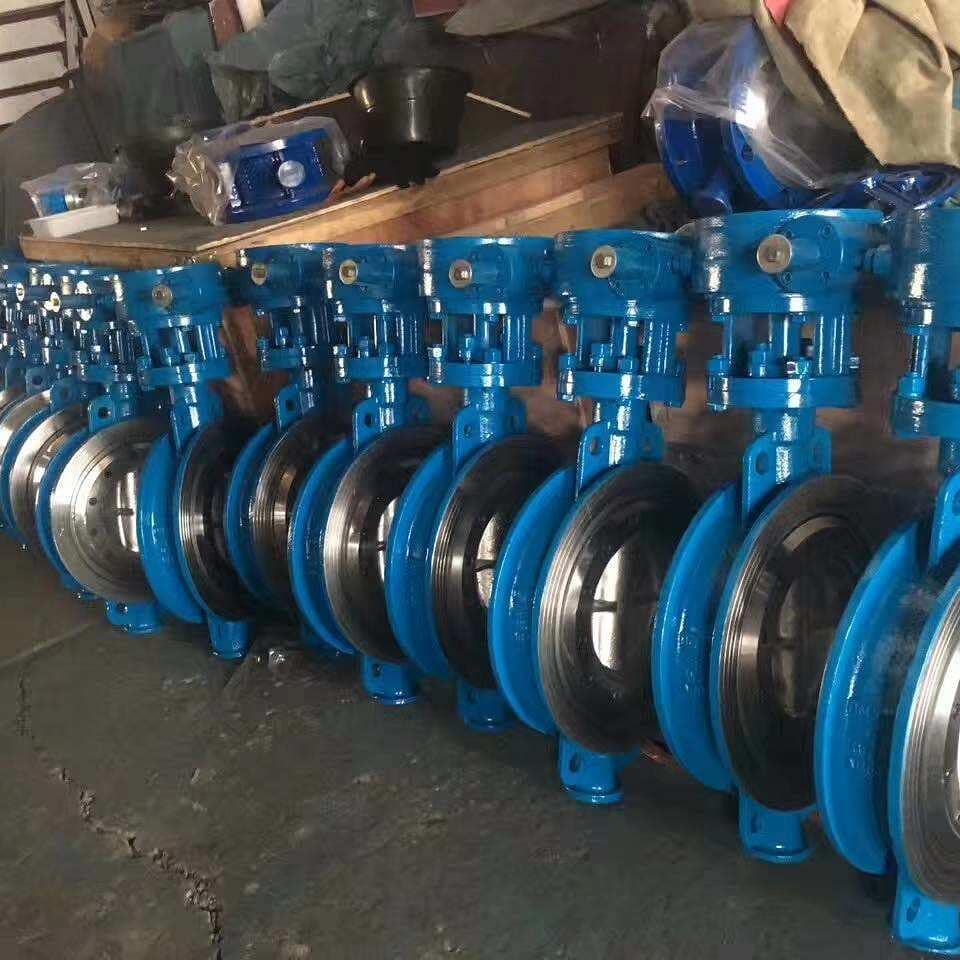
- Cryogenic Butterfly Valve: Compact, lightweight option for systems requiring high flow capacity at low pressures.
Each type is available in multiple pressure classes and materials, depending on process needs.
Materials and Pressure Classes
Cryogenic valves must withstand both extreme cold and high pressure without becoming brittle. That’s why they are made from materials such as:
- Stainless Steel (SS 304, 316, 316L): Excellent for low temperature resilience and corrosion resistance.
- Bronze and Monel: Suitable for oxygen rich environments.
- Carbon Steel (Low Temperature Grades): Used where cost effectiveness meets performance requirements.
Pressure classes typically range from Class 150 to Class 1500, ensuring suitability for diverse industrial cryogenic applications.
Cryogenic Valve Design Features
A cryogenic valve’s efficiency depends on its design precision. Some key design features include:
- Extended Bonnet: Keeps the packing area warm for consistent sealing performance.
- Low Emission Stem Seals: Prevents fugitive emissions even under temperature swings.
- Cavity Pressure Relief: Protects the body from internal overpressure due to liquid expansion.
- Anti Blowout Stem Design: Guarantees safety during operation and maintenance.
We design our cryogenic valves to deliver high performance with minimal maintenance, ensuring smooth operations in LNG terminals, petrochemical plants, and aerospace systems.
Testing Standards: BS 6364 for Cryogenic Valves
Cryogenic valves undergo stringent testing to verify their performance under simulated cryogenic conditions. The BS 6364 standard defines the global benchmark for this testing.
Under BS 6364, valves are tested for:
- Cryogenic Proof Testing: Verifying leak tightness at 196°C using liquid nitrogen.
- Seat Leakage Test: Ensuring sealing performance at both ambient and cryogenic temperatures.
- Operational Cycle Test: Confirming smooth opening and closing under cryogenic conditions.
- Pressure Shell Test: Checking valve body integrity under high internal pressure.
Each valve we manufacture passes these rigorous tests before being dispatched to customers, guaranteeing safe and consistent flow performance across industrial operations.
Common Applications of Cryogenic Valves
Cryogenic valves play an indispensable role in industries where temperature sensitive media are stored or transported. Common applications include:
- LNG (Liquefied Natural Gas) Plants and Terminals
- Air Separation Units (ASU)
- Cryogenic Storage and Transportation Systems
- Petrochemical and Refinery Operations
- Space and Aerospace Fuel Systems
In these systems, the valves maintain tight isolation, protect downstream equipment, and help reduce energy losses during transfer or vaporization processes.
Preventing Common Failures
Cryogenic valve failures typically occur due to improper installation, material incompatibility, or temperature shock. To prevent these issues:
- Choose valves tested to BS 6364 or equivalent standards.
- Match the valve material with the cryogenic medium.
- Avoid trapping cryogenic liquid in closed cavities.
- Train operators in proper opening and closing procedures under cryogenic service.
Following these measures helps maintain consistent performance and reduces costly system interruptions.
Why Cryogenic Valves Are Vital in Industries
In LNG plants, air separation units, and refineries, safety and precision are non negotiable. Cryogenic valves maintain control under sub zero conditions, protecting equipment from overpressure, backflow, and leaks. They make the handling of liquefied gases safer, more efficient, and compliant with international standards.
Without them, systems would face high risks of thermal stress, vapor leaks, and hazardous incidents making them an irreplaceable component of modern process industries.
Partnering with Valves Only for High Performance Cryogenic Solutions
At Valves Only, we don’t just manufacture valves we engineer performance and safety into every design. Our cryogenic valves are built from premium materials, tested to BS 6364, and designed for smooth operation even in the harshest cryogenic environments.
Whether it’s oil, gas, or LNG service, our valves guarantee safe, one way flow and help you prevent costly system failures.
Share your process medium and pressure details our engineers will help you select the best cryogenic valve for your application.