How to Select the Right Industrial Valve for Your Application
When controlling the movement of liquids, gases, or steam in industrial pipelines, choosing the right valve is essential for safety. Backflow issues, pressure imbalances, or even minor leaks can lead to costly shutdowns, equipment damage, and safety risks. Therefore, selecting the right industrial valve is critical for any system that handles important media.
At Valves Only, a trusted industrial valve supplier in USA, we design our valves to provide reliable flow control, maintain safety, and ensure consistent performance across industries including oil and gas, chemical, water treatment, and power generation. Let’s look at how industrial valves work, their types, materials, testing standards, and how to choose the right one for your application.
How an Industrial Valve Works
An industrial valve controls flow by opening, closing, or partially blocking the passage in a pipeline. The mechanism can differ; some valves use rotary motion (like ball or butterfly valves), while others use linear motion (such as gate or globe valves).
When operated, the valve’s internal parts disc, plug, or ball adjust the flow direction and rate. The flow can be unidirectional or bidirectional, depending on the valve design. Proper valve orientation is essential to avoid backflow issues and maintain a stable pressure drop across the system.
Flow Direction and Mechanism
- Unidirectional valves (like check valves) allow flow in one direction only, preventing reverse flow that could damage pumps or compressors.
- Bidirectional valves (like ball and butterfly valves) allow flow from either side, making them ideal for flexible pipeline configurations.
- The actuation mechanism manual, electric, pneumatic, or hydraulic depends on automation needs and operating conditions.
The right flow mechanism ensures smooth operation, reduced turbulence, and a longer valve lifespan.
Types of Industrial Valves
Choosing the right valve begins with understanding its function and design type. Here are some commonly used industrial valves across various sectors:
- Ball Valves – Quarter turn valves that are ideal for quick shutoff. They are known for minimal pressure loss and tight sealing.
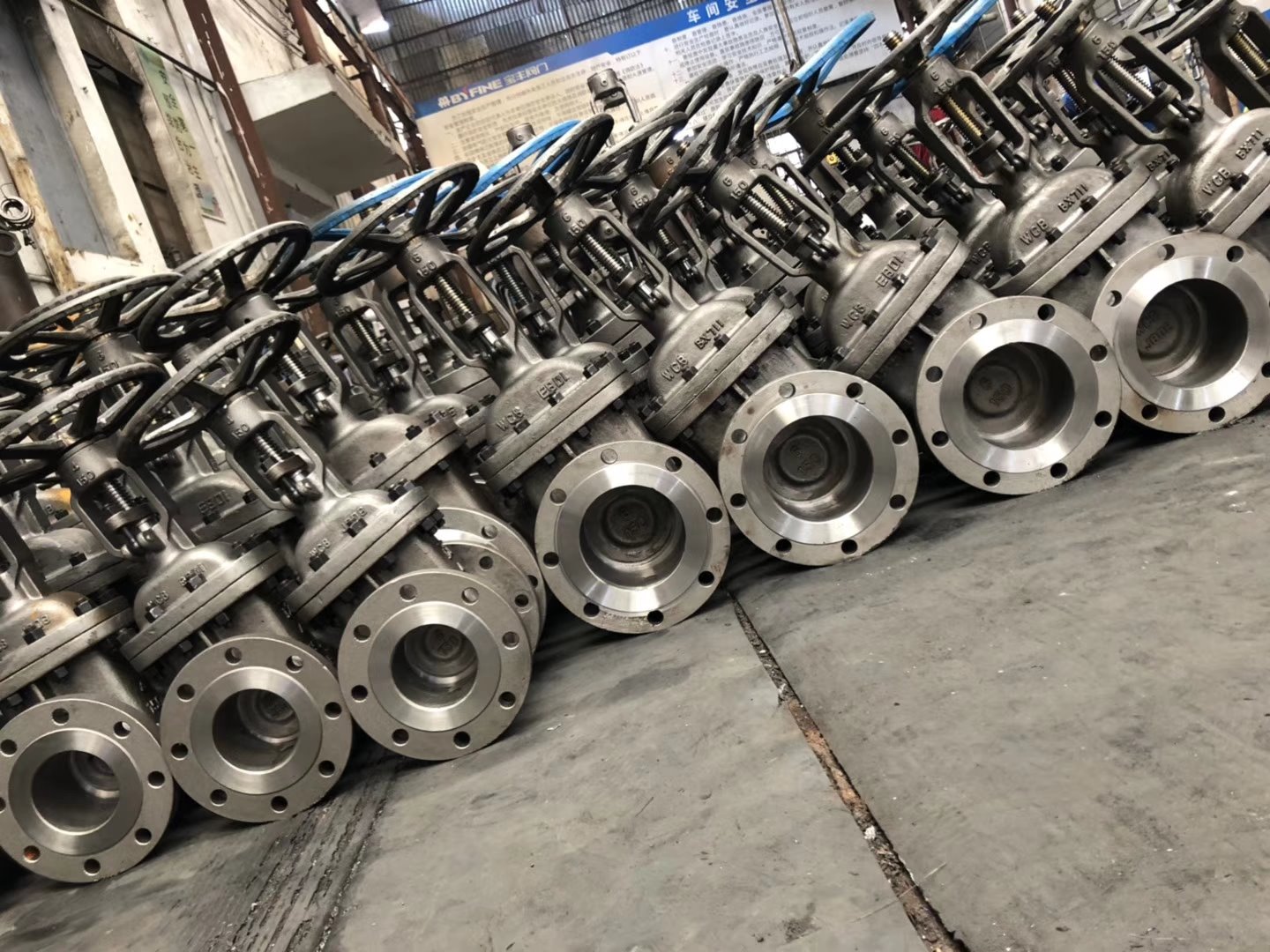
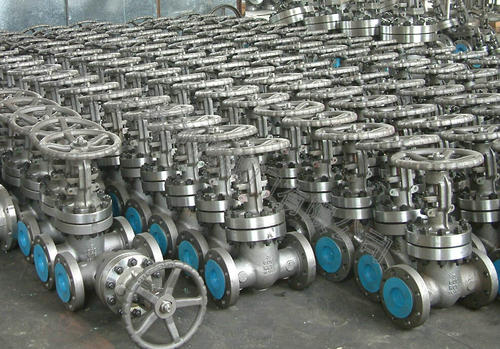
- Gate Valves – Multi turn valves used for on/off service in pipelines where full flow or closure is required.
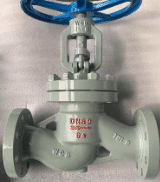
- Globe Valves – Designed for precise throttling and flow regulation, commonly found in steam and condensate systems.
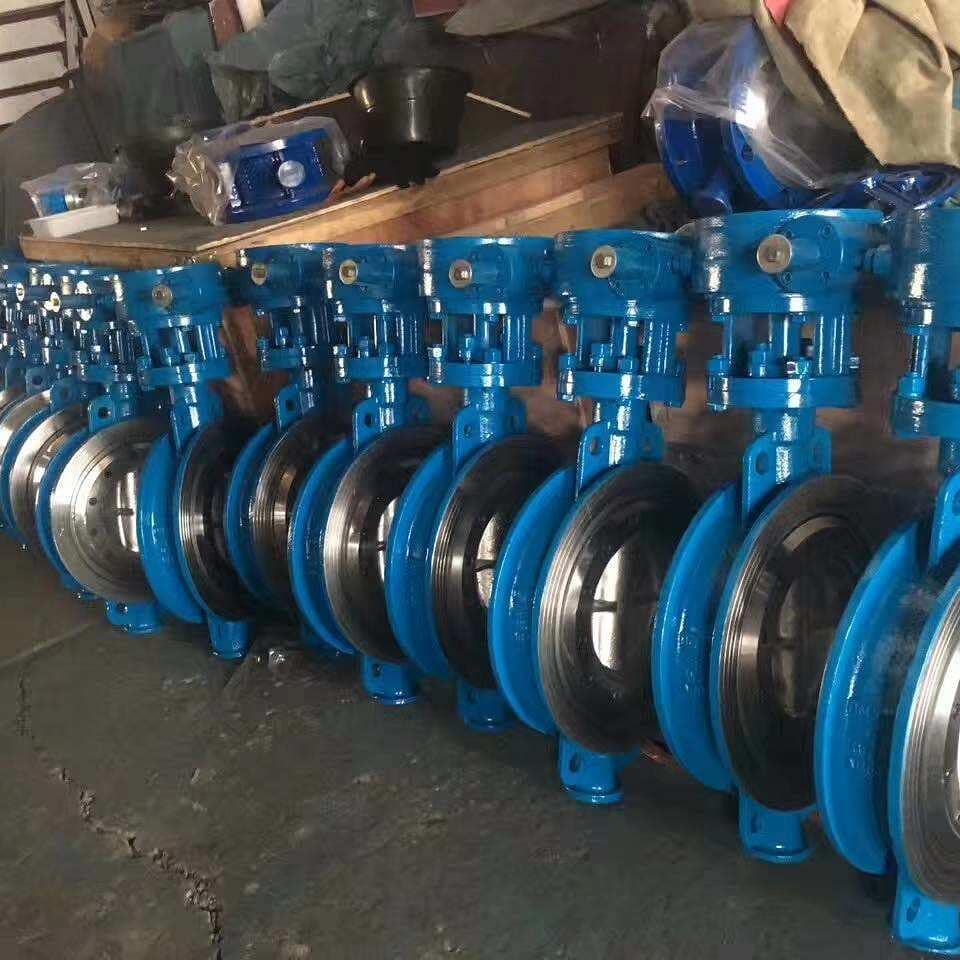
- Butterfly Valves – Compact, lightweight, and suited for large diameter pipelines with moderate pressure.
- Check Valves – Prevent backflow issues automatically without external actuation, ensuring safety and system integrity.
- Plug Valves – Used for isolation in chemical and slurry applications due to their tight sealing design.
Each type serves a unique purpose based on the media, temperature, and pressure conditions.
Materials and Pressure Classes
Material selection directly affects valve longevity and performance. Our industrial valves are made from various materials, including:
- Carbon Steel: Ideal for oil and gas pipelines under high pressure.
- Stainless Steel: Excellent for corrosive environments like chemical plants.
- Duplex and Super Duplex: Used in offshore and marine applications for added strength and corrosion resistance.
- Bronze or Brass: Common in low pressure systems like water treatment or HVAC.
Pressure classes (ranging from Class 150 to Class 2500) define the maximum working pressure at a specific temperature. Choosing the correct pressure rating prevents deformation or leaks under load.
Design and Testing Standards
Industrial valves must meet strict global standards to ensure performance and safety. Our valves are designed and tested according to:
- API 6D / ASME B16.34: For design and pressure integrity.
- API 598: For hydrostatic and air testing of valves.
- ISO 5208: For leakage testing standards.
- BS 1868 / BS 5351: For check and ball valve specifications.
Each valve undergoes visual inspection, pressure testing, and inspection for seat leakage and body integrity before dispatch, ensuring a product that consistently performs in demanding environments.
Common Industrial Applications
Industrial valves are vital in a wide range of sectors, including:
- Oil and Gas: Flow control in upstream and downstream pipelines.
- Petrochemical Plants: Managing corrosive fluids and gases under high pressure.
- Power Generation: Controlling steam and condensate systems.
- Water and Wastewater Treatment: Regulating flow and preventing contamination.
In each case, the right valve selection ensures optimal flow performance, process efficiency, and long term reliability.
Industrial Valve Installation Tips
Even the best designed valve can fail to perform if not installed or maintained properly. Follow these tips to prevent premature failure:
- Valve Orientation: Always follow the manufacturer’s markings for flow direction to avoid backflow issues.
- Avoid Pressure Drop: Use properly sized valves to maintain flow efficiency and minimize turbulence.
- Routine Valve Inspection: Schedule regular checks for leaks, corrosion, and actuator performance.
- Clean Pipelines: Remove debris or scale before installation to prevent seat damage.
- Lubricate Moving Parts: For rotary valves, regular lubrication improves smooth operation and extends service life.
- Replace Seals Timely: Worn out gaskets or O rings can cause leaks and loss of control.
- Implementing these practices helps maintain consistent valve performance and prevents unexpected downtime.
Why Industrial Valves Are Vital in Modern Industries
From keeping pressure drops across systems to preventing hazardous backflow, industrial valves are central to every process control system. They help manage safety, efficiency, and sustainability three key elements of modern industrial operations.
Choosing the right valve means striking the perfect balance between flow control, system pressure, and operational safety. A single mismatch can affect performance and energy use, while the right valve boosts productivity and longevity.
Why Choose Valves Only for Your Industrial Valve Needs
We make high quality industrial valves that are precisely engineered for demanding applications. Our designs focus on smooth operation, reduced maintenance, and improved corrosion resistance.
Whether it’s for oil, gas, or water service, our valves ensure safe one way flow and prevent costly system failures. Share your process medium, temperature, and pressure details; our engineers will help you choose the best industrial valve for your system.
Selecting the right industrial valve goes beyond matching pressure ratings or sizes. It involves understanding your system’s flow dynamics, material compatibility, and safety needs. With the correct design, installation, and maintenance, valves can deliver years of reliable performance.
At Valves Only, we’re not just an industrial valve supplier in USA; we’re your engineering partner in reaching operational excellence.