In any fluid handling system, controlling flow direction is crucial. This is the main purpose of a check valve. These valves allow flow in only one direction and stop reverse flow. They ensure safety, longevity, and consistent performance in applications involving oil, gas, water, or steam. At Valves Only, a prominent check valve supplier in USA, we make valves that meet API 6D and ASME standards to maintain consistent performance under tough conditions.
What is a Check Valve?
A check valve, also called a non return valve or one way valve, allows fluid to flow freely in one direction while automatically blocking reverse flow. Unlike other valves, it works without manual help. The medium's flow itself opens and closes the valve.
When the fluid moves forward, pressure lifts the internal disc or ball, allowing flow. If the flow reverses, gravity or spring force pushes the disc back into its seat, instantly stopping backflow. This automatic function protects pumps, compressors, and piping systems from harm.
How a Check Valve Works: Flow Direction and Mechanism
The working mechanism of a check valve is straightforward but effective. The valve body contains a disc, ball, or piston that moves according to the fluid's pressure.
Forward Flow: The fluid pressure overcomes the closing force (gravity or spring) and pushes the disc away from the seat, enabling flow in one direction.
Reverse Flow: When flow reverses or pressure drops, the disc automatically returns to the closed position, sealing the passage and preventing backflow.
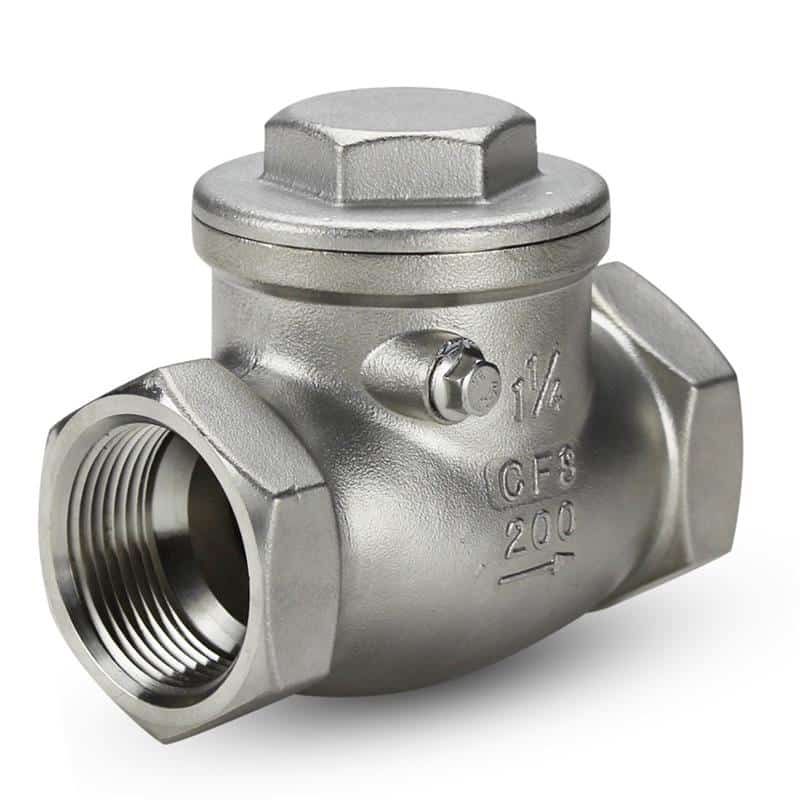
The flow direction is usually shown by an arrow on the valve body. Installing a check valve correctly is important to ensure proper function and protect the system.
Design and Construction of Check Valve
Check valves come in different designs based on application needs, pressure range, and fluid properties. Common design features include:
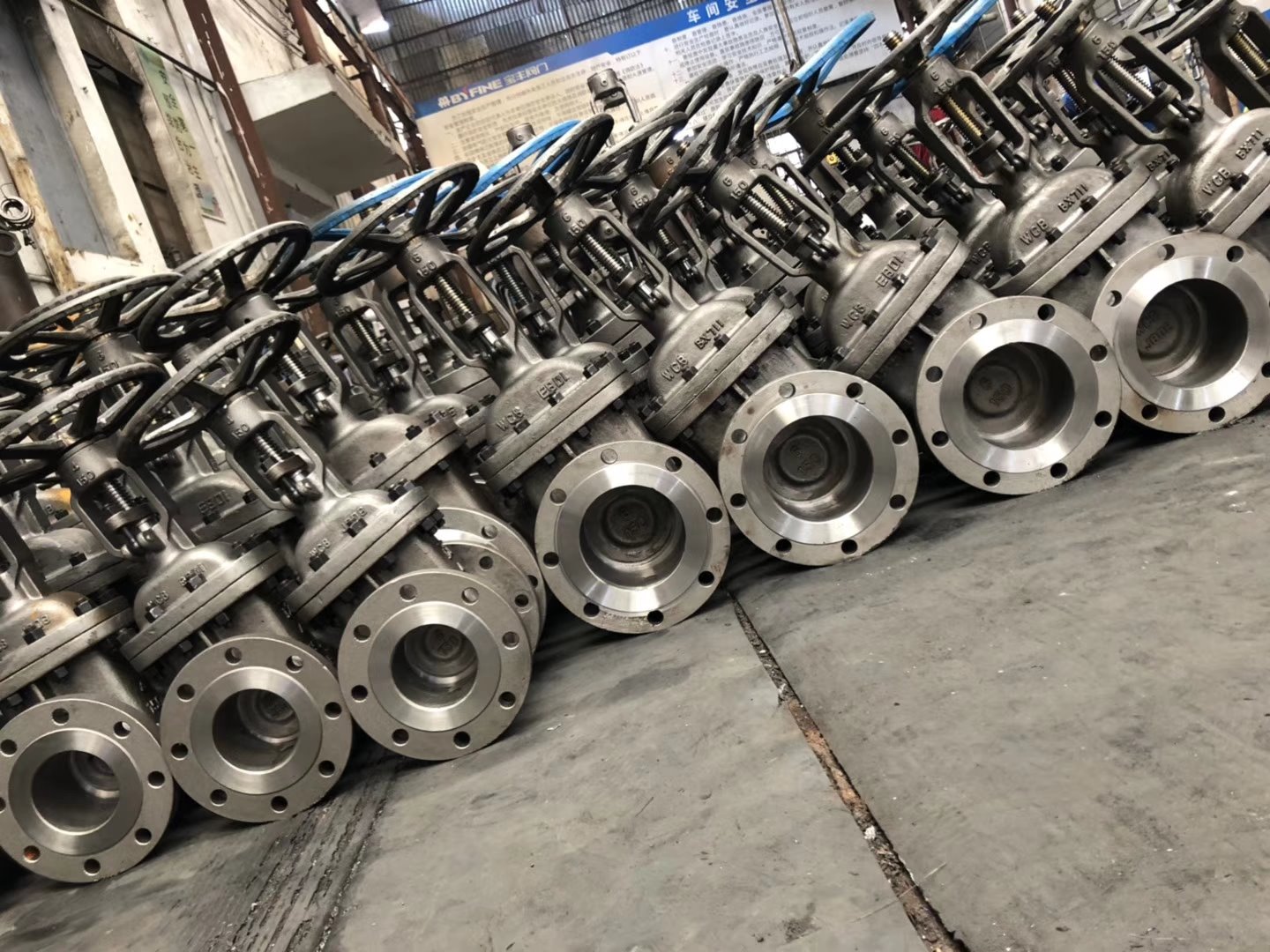
Body and Bonnet: Usually made from forged or cast materials like carbon steel, stainless steel, or duplex steel.
Disc or Ball: Moves freely to open or close the flow path.
Seat: Provides a tight seal when the disc is closed, reducing leakage.
Spring Mechanism (in some types): Ensures quicker closure and protection against backflow.
At Valves Only, our check valves are designed according to API 6D, ASME B16.34, and BS 1868 standards, ensuring durability and performance under challenging conditions.
Types of Check Valves
Different industries and systems need different types of check valves. Here are the most common ones:
This design has a hinged disc that swings open with forward flow and closes when flow reverses. It's ideal for uses where minimal pressure drop is crucial, such as in water and oil pipelines.
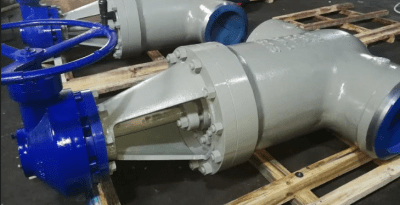
In a lift check valve, the disc moves vertically within the valve body. It works well for high pressure systems that need rapid closure. It is often used in steam and gas lines.
3. Ball Check Valve
A spherical ball acts as the closure element. When flow occurs, the ball lifts from its seat; when it stops, the ball seals the passage. These valves are compact, reliable, and suitable for thick fluids.
4. Dual Plate (Wafer) Check Valve
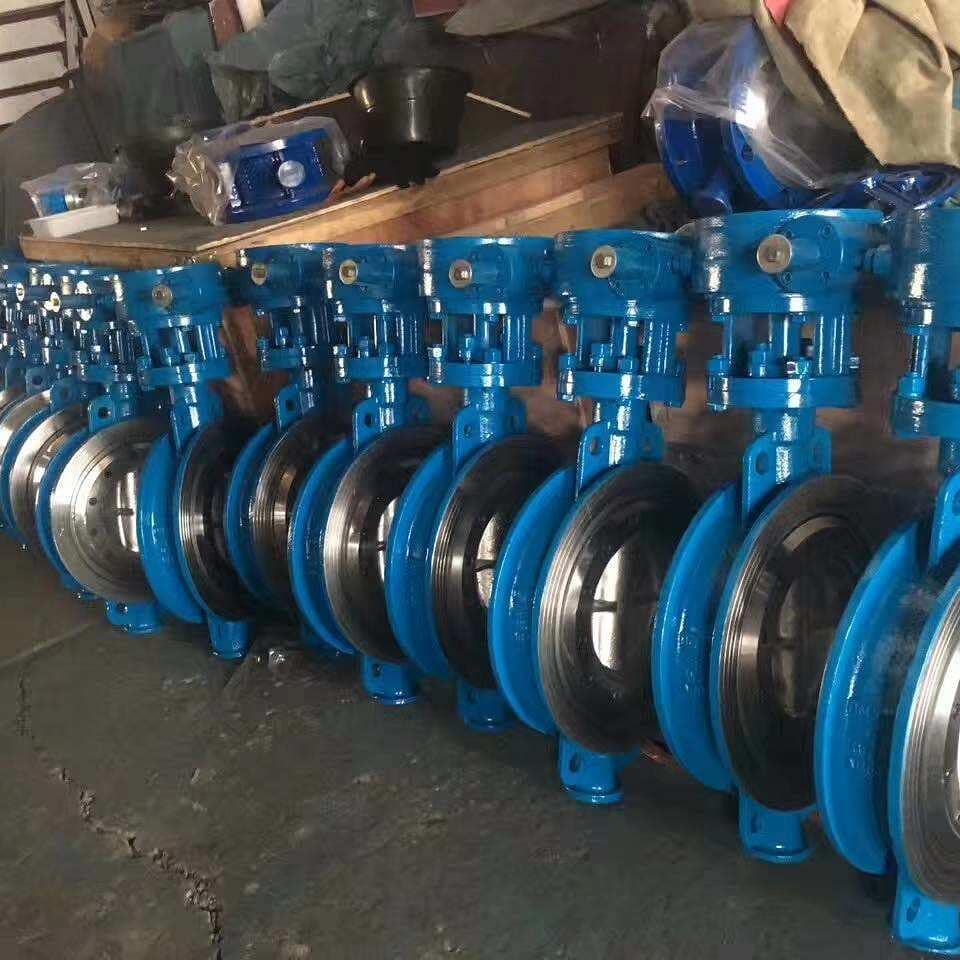
Compact and lightweight, the dual plate valve has two spring loaded plates that open with flow and close quickly when flow reverses. It is very efficient and prevents water hammer, making it perfect for industrial pipelines.
The disc tilts on a hinge for smoother operation and quicker response, reducing turbulence. This valve is common in power generation and chemical processing industries.
Materials and Pressure Classes
The choice of material and pressure class depends on the medium, temperature, and system pressure. At Valves Only, we make check valves using:
Materials: Carbon Steel (A216 WCB), Stainless Steel (CF8/CF8M), Duplex & Super Duplex, Inconel, Hastelloy, and Alloy Steel.
Pressure Classes: Ranging from 150 to 2500, per ASME B16.34 and API 6D standards.
Each valve is built to withstand extreme temperature and pressure changes while ensuring leak tight performance.
Testing and Quality Standards (API 6D & ASME)
To ensure safety and performance, all check valves go through rigorous testing before delivery.
Our testing process includes:
Hydrostatic Testing: Confirms no leakage under pressure.
Shell and Seat Tests: Conducted according to API 598 and API 6D recommendations.
NonDestructive Testing (NDT): Checks material integrity and weld quality.
Pressure and Functional Testing: Confirms valve operation under simulated working conditions.
By following API 6D, ASME B16.34, and BS 1868 standards, Valves Only makes sure every check valve meets international quality standards.
Common Applications of Check Valves
Check valves are crucial wherever backflow could harm equipment or contaminate the system.
Industries that rely on them include:
- Oil and Gas Pipelines
- Petrochemical and Refining
- Power Generation Plants
- Water Treatment Facilities
- Chemical and Process Industries
- Marine and Offshore Systems
From preventing pump failures to ensuring system safety, check valves are essential components in fluid handling systems.
Maintenance and Failure Prevention
While check valves are self operating and low maintenance, regular inspections help extend their life and improve performance.
Best practices include:
- Regularly check for seat wear or debris buildup.
- Ensure the valve is installed in the correct orientation.
- Replace worn discs or springs to stop leakage.
- Monitor pressure fluctuations to prevent water hammering.
Proper maintenance reduces downtime, extends valve life, and increases system efficiency.
Why Check Valves are Vital in Industrial Systems
Check valves act as the first line of defense against backflow, protecting sensitive equipment like pumps, compressors, and turbines. By ensuring fluid flows in only one direction, they:
- Prevent reverse flow damage.
- Maintain pressure integrity in pipelines.
- Support safety and environmental protection.
- Improve energy efficiency by keeping flow rates stable.
Their Dependability makes them a key component in every modern fluid system.
Why Choose Valves Only for Check Valves
At Valves Only, we are proud to be one of the top check valve supplier in USA, offering API 6D and ASME certified valves built to take on the toughest environments.
What sets us apart:
- Precision engineered valves made with high quality materials.
- Compliance with global design and testing standards.
- Customized solutions for specific industrial needs.
- Fast delivery and outstanding technical support.
Our mission is to deliver high quality, cost effective, and reliable valve solutions that keep your system operating safely and efficiently.
Conclusion
A check valve may look simple, but its job in ensuring one way flow and protecting key infrastructure is invaluable. From its different types and sturdy designs to its compliance with API 6D and ASME standards, this valve is a crucial part of industrial safety and performance.
If you need strong, high performance check valves, trust Valves Only. We are a leading supplier committed to quality, reliability, and innovation.