Backflow issues, uneven pressure, and safety hazards are major concerns in industrial fluid systems. Without proper flow control, pipelines can suffer from energy loss, leakage, or even catastrophic equipment failure. This is where globe valves come in engineered for precise throttling, dependable pressure regulation, and long term durability.
For industries handling oil, gas, steam, or water, choosing a trusted globe valve supplier in USA is crucial. Whether you need standard or customized configurations, understanding the design, testing, and trim options of globe valves will help you select the best fit for your system’s requirements.
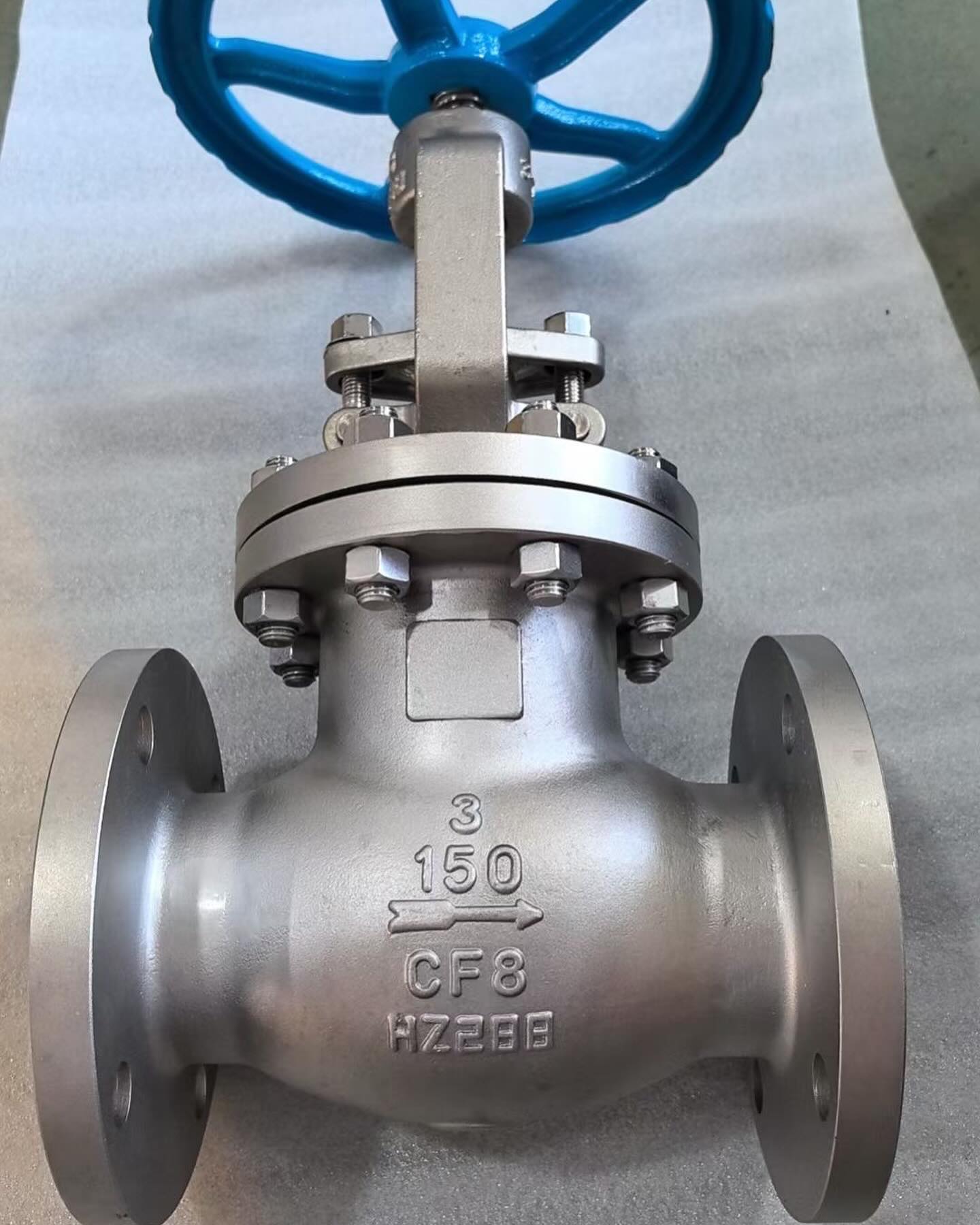
What is a Globe Valve and How It Works
A globe valve is a type of linear motion valve designed to Inside the valve body, a disc (or plug) moves vertically to regulate, start, or stop fluid flow. Unlike ball or gate valves which are primarily for on/off control globe valves are ideal for throttling and precise flow adjustment.
a stationary seat. When the handwheel or actuator lifts the stem, the disc rises to allow flow; when lowered, it restricts or shuts off flow completely.
Because of this design, globe valves are perfect for applications where a steady pressure drop or accurate flow modulation is necessary. Their structure ensures smooth operation and reliable sealing, even under fluctuating pressures.
Flow Direction, Valve Orientation, and Mechanism
Globe valves typically follow an S shaped flow path, where fluid enters below the seat and exits above it. This design provides tight shut off and stable control but results in a slightly higher pressure drop compared to straight through valves.
There are two common flow configurations:
- Flow under the disc: Improves sealing in high pressure service.
- Flow over the disc: Reduces operating torque and is preferred in automated systems.
Proper valve orientation during installation is essential for maintaining system performance. Incorrect alignment can lead to premature wear or even backflow issues, reducing efficiency and lifespan.
Types of Globe Valves
Globe valves are available in several configurations and standards to suit different flow and pressure conditions. Below are the main types used across industries:
1. Z Type Globe Valve
The most common design, featuring a horizontal seat and vertical stem. Known for accurate throttling and ease of maintenance.
2. Y Type Globe Valve
Designed with a 45° angled seat and stem, this type minimizes pressure drop and is ideal for high pressure, high temperature service.
3. Angle Globe Valve
Inlet and outlet ports are positioned at 90°, eliminating the need for extra pipe fittings. Perfect for pulsating or intermittent flow systems.
4. Bellow Seal Globe Valve
Features a welded metallic bellows that prevents leakage through the stem, ensuring zero emission in applications handling toxic or hazardous media.
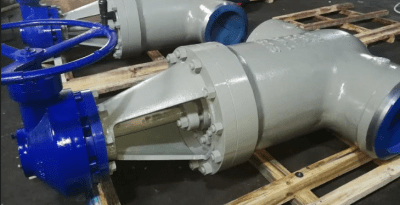
5. Pressure Seal Globe Valve
Suited for high pressure, high temperature environments like steam or power plants. It uses internal pressure to reinforce the bonnet seal for a tight closure.
6. Forged Steel Globe Valve
Compact and robust, these valves are manufactured for smaller pipelines and high pressure operations in refineries and petrochemical systems.
7. DIN Globe Valve
Compliant with DIN standards, these valves are widely used in European and international installations for standardized connections and performance.
8. BS Globe Valve
Manufactured according to British Standard BS 1873, these valves are often used in export projects and plants following UK engineering codes.
9. API Globe Valve
Built to API 623 and API 598 standards, offering reliable performance in oil, gas, and petrochemical systems where safety and endurance are priorities.
10. ANSI Globe Valve
Designed to ANSI/ASME B16.34 specifications, these valves guarantee consistent dimensions, pressure temperature ratings, and global compatibility.
Trim Options in Globe Valves
The trim which includes the disc, seat, and stem directly affects a globe valve’s performance, resistance to corrosion, and sealing capability.
Common trim materials include:
- Stainless Steel (SS 304/316): For corrosion resistance in water and steam systems.
- Monel / Inconel: For high temperature or seawater applications.
- Stellite Hard Facing: For extended wear resistance in severe services.
- Bronze / Brass: For low pressure systems and HVAC applications.
Selecting the right trim combination helps maintain flow control, reduce erosion, and increase the valve’s operational lifespan.
Materials and Pressure Classes
Industrial globe valves are produced in a variety of materials to suit process media and temperature ranges:
Common Body Materials:
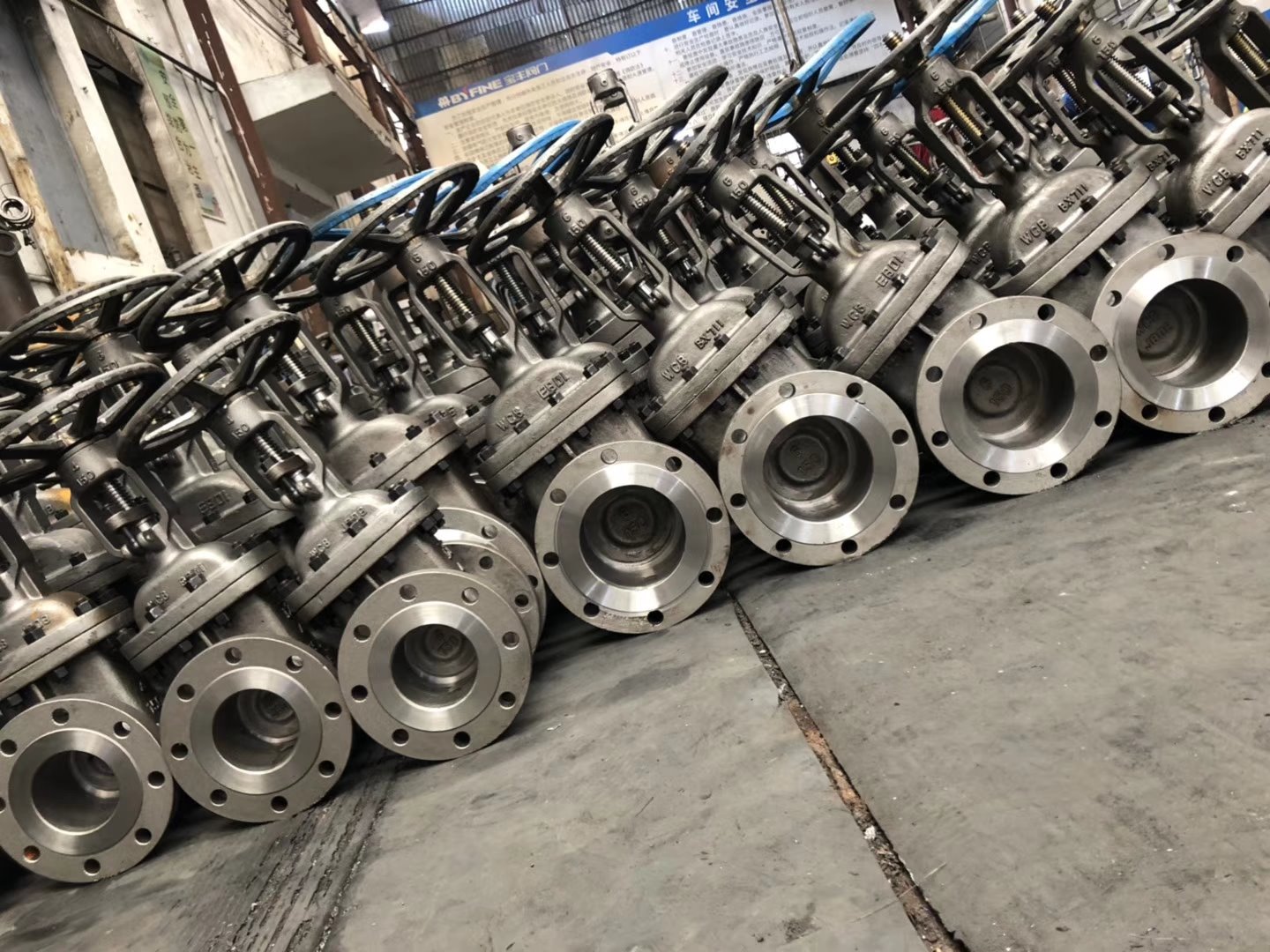
- Carbon Steel (A216 WCB) – Durable for general industrial use.
- Stainless Steel (A351 CF8/CF8M) – Resistant to corrosion and temperature extremes.
- Alloy Steel (A217 WC6/WC9) – Excellent for steam, oil, and gas pipelines.
- Duplex & Super Duplex Stainless Steel – Ideal for offshore and corrosive environments.
- Bronze or Cast Iron – Best for water or HVAC systems.
- Pressure Ratings:
Manufactured per ASME B16.34, globe valves are available in Class 150 to Class 2500, suitable for both low and high pressure applications.
Design Standards and Testing
Our industrial globe valves are designed and tested to meet global quality benchmarks and long term operational performance.
Design Standards:
- API 623 / BS 1873: Design and construction.
- ASME B16.10: Face to face dimensions.
- ASME B16.5 / B16.47: Flange connections.
- ASME B16.34: Pressure temperature ratings.
Testing Standards:
- API 598: Pressure and leakage testing.
- ISO 5208: Hydrostatic and pneumatic test standards.
- MSS SP 61: Seat and shell test for integrity.
Every globe valve undergoes rigorous valve inspection at multiple production stages hydrostatic, pneumatic, and visual to deliver maximum safety and consistency.
Common Industrial Applications
Globe valves are used where precise flow control is essential:
- Oil & Gas Refineries – Pressure regulation in fuel and gas lines.
- Power Generation Plants – Steam and feedwater control.
- Chemical & Petrochemical Facilities – Managing corrosive or viscous fluids.
- Water & Wastewater Treatment – Regulating flow and preventing overpressure.
- Marine Systems – For modulating and isolating pipelines.
Their ability to maintain accurate throttling makes them indispensable in both automated and manual flow systems.
Why Globe Valves Are Vital in Industrial Systems
Globe valves are critical for safe and stable flow management. They deliver control over fluid velocity, reduce turbulence, and regulate pressure precisely. This makes them indispensable in systems where small variations in flow could impact safety, quality, or energy efficiency.
From refinery units to water distribution systems, industrial globe valves play a vital role in maintaining operational integrity and process reliability.
Why Partner with Us for Globe Valve Solutions
We engineer our globe valves to deliver consistent performance, longevity, and compliance with stringent API and ASME standards. Every product reflects our commitment to quality manufacturing and customer focused engineering.
Whether your operation involves oil, gas, or water service, our valves are designed to guarantee safe one way flow and prevent costly system failures. Share your pressure range and process medium, and our technical team will help you choose the most suitable API globe valve for your system.
Selecting the right globe valve helps maintain performance, safety, and control across industrial pipelines. Understanding their types, trim options, and testing standards allows engineers to make informed decisions for long term efficiency. When it comes to durable, high performance valves, partner with a trusted globe valve supplier in USA that values both engineering precision and customer success.
Our team is ready to help you find the ideal valve solution for your process delivering quality that lasts, performance you can measure, and operational stability you can trust.