
Butterfly Valves Explained: Types, Design Standards, and Industrial Uses
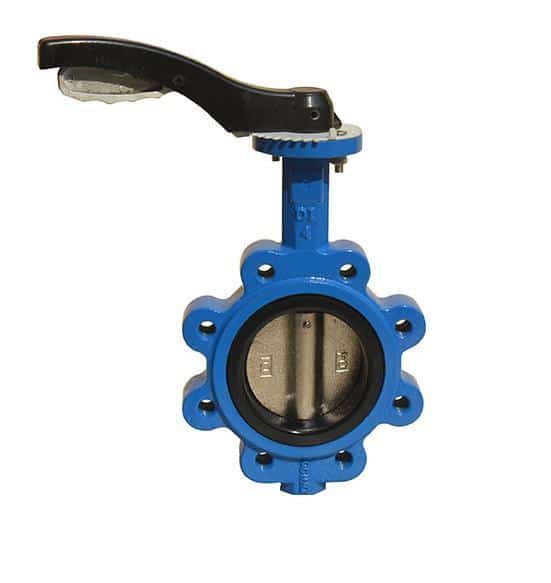
Butterfly valves are among the most versatile and widely used valves in industrial fluid systems. Whether controlling water, chemicals, gases, or steam, these valves ensure precise flow regulation with minimal pressure loss. At Valves Only, a leading butterfly valve manufacturer in USA, we specialize in engineering durable and high performance butterfly valves that meet stringent industry standards. This guide explores everything you need to know about butterfly valves, from design and mechanism to applications and maintenance.
What is a Butterfly Valve?
A butterfly valve is a quarter turn valve designed to control, regulate, or isolate the flow of fluids in pipelines. It features a circular disc mounted on a rotating shaft. When the disc turns parallel to the flow, the valve opens; when perpendicular, it blocks the passage. Butterfly valves are compact, lightweight, and cost effective, offering fast operation and minimal pressure drop. Depending on the design, they can handle different pressure and temperature conditions. Commonly used in water treatment, oil and gas, power, and chemical industries, butterfly valves provide reliable flow control with simple maintenance and long service life.
How Butterfly Valves Work
A butterfly valve is a type of quarter turn valve that uses a rotating disc to control the flow of fluid through a pipe. The disc, mounted on a central shaft, can turn a quarter turn (90 degrees) to open or close the valve.
- Open Position: When the disc rotates parallel to the flow, the valve is fully open, allowing fluid to pass with minimal resistance.
- Closed Position: When the disc rotates perpendicular to the flow, it blocks the passage entirely, stopping the flow.
- Flow Direction: Butterfly valves are generally bi directional, meaning they can regulate flow in both directions.
The simplicity of the mechanism ensures a quick response, reliable sealing, and compact design. This efficiency makes butterfly valves ideal for large diameter pipes where other valves may become cumbersome.
Types of Butterfly Valves
Butterfly valves come in various types depending on the design, application, and pressure requirements:
- Wafer Butterfly Valve
- Fits between two flanges with a simple alignment.
- Lightweight and cost effective.
- Ideal for low pressure applications.
- Fits between two flanges with a simple alignment.
- Lug Butterfly Valve
- Features threaded inserts (lugs) for bolt connections.
- Can be removed from one side without disturbing the piping system.
- Common in water treatment and chemical systems.
- Features threaded inserts (lugs) for bolt connections.
- Double Flanged Butterfly Valve
- Flanged on both ends for secure bolted connection.
- Provides stronger support and is suitable for high pressure applications.
- Flanged on both ends for secure bolted connection.
- Triple Offset Butterfly Valve
- Disc designed to rotate off center in three axes.
- Offers tight sealing with minimal wear, ideal for critical applications like oil, gas, and chemical industries.
- Disc designed to rotate off center in three axes.
- High Performance Butterfly Valve
- Designed for higher pressures and temperatures.
- Often incorporates resilient or metal seats to handle harsh media.
- Designed for higher pressures and temperatures.
Materials and Pressure Classes
Butterfly valves are manufactured using different materials to suit various industrial needs:
- Body Materials: Cast iron, ductile iron, stainless steel, carbon steel, alloy steel.
- Disc Materials: Stainless steel, aluminum bronze, nickel plated alloys.
- Seat Materials: EPDM, PTFE, Viton, or metal seats for extreme conditions.
Pressure classes vary depending on application:
- Class 150 to 300: Standard industrial applications.
- High Pressure Classes (600, 900, 1500): Oil & gas, chemical plants, and power industries.
Design and Standards
To ensure reliability and performance, butterfly valves follow international design standards:
- API 609: Standard for butterfly valves used in oil and gas industries.
- ISO 5752: Covers the face to face dimensions for consistent installation.
- ASME B16.34: Governs pressure temperature ratings and material selection.
- MSS SP 67: Focuses on flanged and wafer style valve dimensions and testing.
These standards guarantee that each valve performs efficiently under defined conditions, ensuring safety and durability.
Testing and Quality Assurance
A butterfly valve’s performance is validated through rigorous testing:
- Hydrostatic Testing: Checks the valve’s pressure bearing capacity and leakage resistance.
- Operational Testing: Ensures smooth disc rotation and precise flow control.
- Seat Leakage Test: Verifies sealing performance under full pressure.
At Valves Only, we follow these tests meticulously to deliver valves that exceed industry expectations.
Common Applications of Butterfly Valves
Butterfly valves are widely used across industries due to their compact design, efficiency, and cost effectiveness:
- Water and Wastewater Treatment: Control flow in large pipelines.
- Chemical and Petrochemical Plants: Handle corrosive and high temperature fluids.
- Oil and Gas: Ideal for on/off services and pipeline isolation.
- HVAC Systems: Regulate air and water flow in heating, ventilation, and cooling.
Their versatility makes them indispensable in modern industrial fluid systems.
Maintenance and Failure Prevention
Proper maintenance ensures butterfly valves remain operational for years:
- Regular Inspection: Check for leaks, corrosion, and disc alignment.
- Lubrication: Apply recommended lubricants on shafts to reduce wear.
- Tightening Bolts: Ensure lug and flange connections remain secure.
- Cleaning: Flush valves periodically to prevent debris accumulation.
Common causes of failure include seal wear, misalignment, and improper operation. Regular preventive measures minimize downtime and extend valve life.
Why Butterfly Valves Are Vital in Industries
Butterfly valves are crucial for industrial operations for several reasons:
- Efficiency: Provide quick operation with minimal pressure drop.
- Cost Effective: Compact design reduces material costs.
- Versatility: Suitable for various fluids and temperatures.
- Durability: Designed to withstand high pressures and harsh environments.
The combination of efficiency, reliability, and adaptability makes butterfly valves a staple in industrial piping systems.
Why Choose Valves Only for Butterfly Valves
At Valves Only, we are dedicated to manufacturing high quality butterfly valves that meet global standards. Here’s why industries trust us:
- Expertise: Decades of experience in valve engineering.
- Quality Assurance: Strict testing protocols ensure every valve meets or exceeds expectations.
- Customization: Valves tailored to specific industrial requirements.
- Global Standards: Compliance with API, ISO, and ASME ensures performance under challenging conditions.
Whether you need wafer, lug, or triple offset butterfly valves, Valves Only delivers products that combine precision, durability, and efficiency.
Butterfly valves are not just components; they are essential tools for controlling industrial flow with reliability and precision. Investing in high quality valves from a trusted manufacturer like Valves Only ensures your systems operate smoothly, safely, and efficiently for years to come.