
High-Performance Butterfly Valves: Design Features and Operating Range
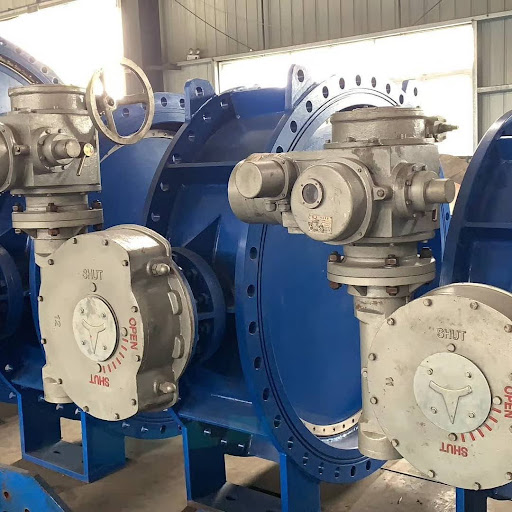
High-performance butterfly valves are made for harsh conditions where standard resilient seated valves can’t handle high temperatures or pressures. They are perfect for when you need to isolate and throttle things, like in the oil and gas industry. For critical uses requiring rapid shutoff, structural integrity, and consistent performance throughout industrial process systems under a range of operating conditions, they are widely defined. Their compact quarter-turn design also enables efficient automation integration while maintaining strength under severe mechanical and thermal stress.
Advanced flow control systems in oil and gas, energy generation, chemical processing, water treatment, and heavy industry utilities urge valves only, a trusted Manufacturer in USA, to produce high-performance butterfly valves. Designed for long life, most torque performance, and reliable sealing in circumstances where temperature resistance and mechanical strength are of utmost importance.
What Defines a High-Performance Butterfly Valve?
A high-performance butterfly valve differs from conventional butterfly valves primarily in seat design and disc geometry.
Key defining characteristics:
- Double-offset or triple-offset construction
- Metal or reinforced soft seats
- High-pressure and high-temperature capability
- Low operating torque compared to gate or globe valves
- Bi-directional or uni-directional sealing options
Unlike concentric butterfly valves, the offset design reduces operational seat friction. This greatly increases sealing reliability and service life.
Core Design Features
1. Offset Geometry
The offset design of high-performance butterfly valves distinguishes them. This arrangement reduces seat friction and enables perfect shutoff under greater temperatures and pressure.
Double Offset Design (High-Performance Type)
In this configuration:
- The shaft is offset from the centerline of the disc.
- The shaft is also offset from the centerline of the valve body.
This dual offset reduces continuous rubbing between the disc and seat. The disc only contacts the seat at the final closing position, which significantly extends seat life.
Triple Offset Design (Zero-Leakage Metal Seated Type)
Three-offset valves provide a third angular offset that produces a cam-like closing force. Rather than friction sealing, the disc enters the seat at a precise angle to produce torque-seated, metal-to-metal sealing.
Key Performance Benefits of Offset Geometry
- Reduced seat wear
- Lower operating torque
- Bubble-tight shutoff capability
- Extended operational cycle life
- Improved performance in high-temperature services
2. Seat Construction and Leakage Performance
Seat technology determines temperature limits and shutoff class. Selection must align with process media and operating conditions.
Seat Material Comparison
| Seat Type | Temperature Range | Leakage Class Capability | Typical Applications |
| PTFE / RTFE | -29°C to 200°C | ANSI Class VI | Water, mild chemicals |
| RPTFE | -29°C to 260°C | ANSI Class VI | General industrial fluids |
| PEEK | -46°C to 300°C | Tight shutoff | Higher temp chemical systems |
| Metal Seated | -196°C to 600°C | API 598 / ISO 5208 Rate A | Steam, hydrocarbons, gas |
At moderate temperatures, soft seats offer bubble-tight sealing. Metal-seated configurations provide improved dimensional stability when thermal cycling is regular or operating temperatures reach 250°C.
Applicable Leakage Standards
- API 598
- ISO 5208 Rate A
- ANSI/FCI 70-2 Class VI
For critical services such as steam or flammable hydrocarbons, metal seating combined with fire-safe design is typically specified.
3. Pressure Ratings and Structural Capability
High-performance butterfly valves bridge the gap between compact quarter-turn valves and heavy multi-turn valves.
Standard Pressure Classes
| ASME Class | Maximum Pressure (Approx.) | Typical Service |
| Class 150 | ~285 psi (19 bar) | Utility and water systems |
| Class 300 | ~740 psi (51 bar) | Process systems |
| Class 600 | ~1480 psi (102 bar) | High-pressure service |
| Class 900* | Application dependent | Specialized applications |
When specifying throttling, engineers must evaluate differential pressure capability and torque values under flowing conditions. Oversizing can increase instability during modulation.
4. Standards and Compliance
To guarantee safety and performance consistency, high-performance butterfly valves are made and tested following worldwide accepted criteria.
Design and dimensional standards commonly include:
- API 609
- ASME B16.34
- ASME B16.5
- MSS SP-68
Inspection and testing are typically conducted in accordance with:
- API 598
- ISO 5208
Applications involving fire criticality need compliance with API 607 or API 6FA.
Particularly important in procurement is confirmation of fire-safe certification, material traceability, and pressure-temperature values.
5. Temperature Capability and Size Range
The operating temperature of a high-performance butterfly valve is primarily determined by seat material and body construction. Selecting the correct seat is critical to maintaining shutoff integrity under thermal stress.
| Seat Type | Temperature Range | Typical Application |
| PTFE / RTFE | -29°C to 200°C | Water, mild chemicals |
| RPTFE | -29°C to 260°C | General industrial fluids |
| PEEK | -46°C to 300°C | Higher temperature chemical systems |
| Metal Seated | -196°C to 600°C | Steam, hydrocarbons, gas |
Extended bonnet designs allow cryogenic operation down to -196°C by protecting stem seals from extreme cold.
High-performance butterfly valves are available from 2” to 48” (DN50–DN1200). Sizes 2”–24” are common in high-pressure systems, with wafer, lug, and double-flanged end connections available. Available end connections include wafer, lug, and double-flanged configurations, selected based on piping layout and pressure class requirements.
Operating Principle and Functional Performance
High-performance butterfly valves operate through 90-degree disc rotation. At 0°, the valve is fully closed. At 90°, it is fully open. Due to offset geometry, the disc disengages from the seat immediately during opening. This eliminates continuous friction and reduces wear. Sealing occurs only at the final closing position, where torque ensures tight shutoff.
In triple offset designs, a conical seating arrangement eliminates sliding contact entirely. Even in high temperatures, this torque-seated system allows for dependable metal-to-metal sealing.
These mechanical characteristics make the valve suitable for:
- High-cycle operation
- Automated control systems
- Modulating flow applications
- High-temperature and high-pressure isolation
Materials of Construction
Material selection must balance corrosion resistance, mechanical strength, and temperature capability. Incorrect material pairing can reduce service life under erosive or high-cycle conditions.
Body Materials
| Material | Standard | Service Suitability |
| Carbon Steel | ASTM A216 WCB | General industrial service |
| Stainless Steel | ASTM A351 CF8 / CF8M | Corrosive fluids |
| Duplex Stainless Steel | ASTM A890 | Chloride and seawater environments |
| Low Temp Carbon Steel | ASTM A352 LCB | Sub-zero applications |
Usually chosen for their better strength and wear resistance are disc and stem materials. Among well-known choices are stainless steel 316, duplex stainless steel, monel, hastelloy, inconel, 17-4 PH stainless steel, and AISI 410. These chemicals enable better durability in hostile, high-pressure, and high-cycle situations.
Industrial Performance Range
High-performance butterfly valves are chosen for applications when the demands for pressure, temperature, and sealing go beyond what resilient seated designs can handle. Their range of performance covers intermediate utility systems through harsh process environments.
- Typical Industrial Conditions:
Steam Systems
- ASME Class 300 / 600
- Temperatures up to 540°C
- Metal-seated construction required
Hydrocarbon Processing
- Operating temperatures between 200°C and 400°C
- Fire-safe design mandatory
- Alloy or stainless steel materials commonly specified
Cooling Water Applications
- Temperature range 5°C to 80°C
- PTFE-seated, typically Class 150
Gas Distribution Systems
- Tight shutoff requirement
- Low fugitive emissions
- ISO 15848 compliant stem packing
High-performance butterfly valves can reliably function in emission-sensitive, high-pressure, high-temperature, industrial conditions because of their broad operating envelope.
Why High-Performance Butterfly Valves Are Preferred in Modern Plants
Modern industrial facilities follow harder performance criteria than they have ever done. Equipment must meet tougher emission standards, wider temperature ranges, and higher pressures while yet maintaining perfect and effective functioning. Modern conveniences require:
- Compact equipment
- Energy efficiency
- Tight environmental compliance
- Reliable shutoff under extreme conditions
By fusing structural robustness with effective sealing technology, high-performance butterfly valves satisfy these criteria. Being a certified Manufacturer in USA, engineered valve distributors know how crucial performance validation, traceability, and compliance are in mission-critical applications.
Conclusion
Strong mechanical integrity and small form define high-performance butterfly valves. Their offset design and sophisticated seating technology guarantee consistent performance in extreme-temperature and high-pressure process surroundings. Reflecting the expectations from a Manufacturer in USA, with a focus on quantifiable performance, material integrity, and application-focused design, these solutions are engineered to worldwide standards and tested against actual running conditions.
To guarantee you pick the greatest high-performance butterfly valves for your next project, be sure you thoroughly go over the operating conditions and compliance needs. Valves Only experts can give application-focused advice fit for your system requirements for thorough technical specifications or project meetings.
Recent Posts
- Valves Used in Steel and Metal Processing Plants: Types, Functions, and Applications
- Pressure Seal Gate Valves: Design Principle and High-Pressure Service
- Understanding the Role of Valves Used in Wastewater Treatment Plants
- High-Performance Butterfly Valves: Design Features and Operating Range
- Valves Used in Downstream Refining Operations