
Valves Used in Downstream Refining Operations
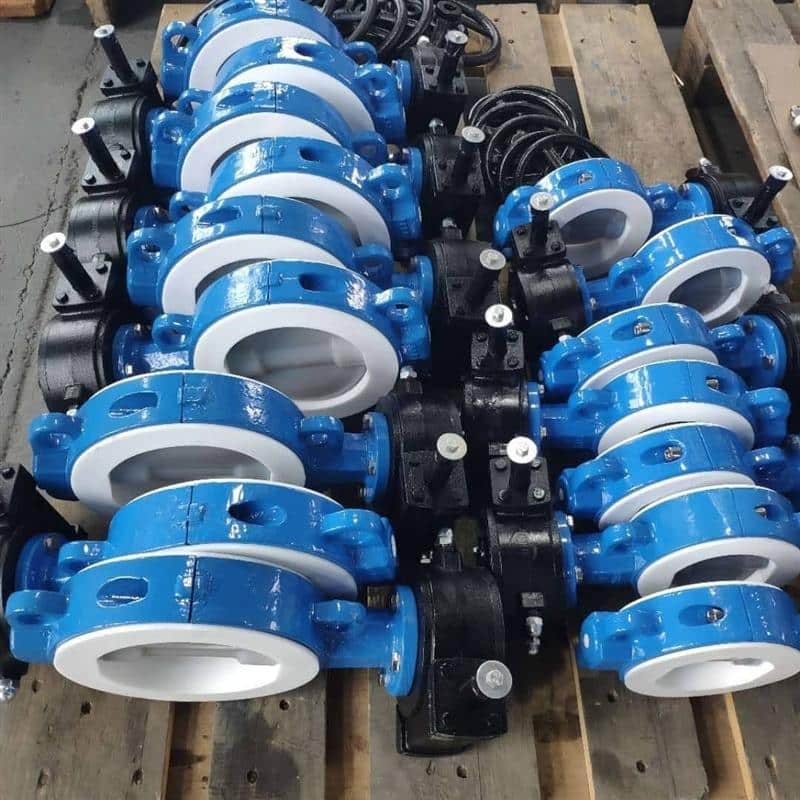
Among the most complex and closely monitored energy sector industrial activities is downstream refining. From crude oil distillation to fuel mixing and petrochemical processing, valves are basically important for keeping things safe, working well, and working all the time. Engineers typically consider valve performance standards and manufacturing processes followed by a Valve Manufacturer in USA when judging system reliability, as these criteria greatly affect long-term operational stability. At Valves Only, technical selection is approached from a performance and compliance perspective rather than a commercial one.
This article explores how valves function within downstream refining units, the types commonly used, operating conditions, material requirements, and technical specifications—presented in a neutral, factual manner aligned with current U.S. refining practices.
Understanding Downstream Refining Operations
Downstream refining is the conversion of crude oil into valuable goods including petrol, diesel, jet fuel, LPG, lubricants, and petrochemical feedstocks. These procedures usually follow midstream transportation and upstream extraction.
Key downstream units include:
- Atmospheric and vacuum distillation units (ADU/VDU) separate crude oil into basic fractions.
- Hydrotreating and hydrocracking units remove impurities and upgrade heavy hydrocarbons.
- Catalytic reforming units increase fuel octane levels.
- Delayed coking units convert heavy residues into lighter products and coke.
- Sulfur recovery units convert hydrogen sulfide into sulfur.
- Product blending and storage systems mix and store finished products.
Every unit has unique conditions of pressure, temperature, and fluid composition, therefore accurate valve choice is essential.
Role of Valves in Refinery Process Control
Valves in downstream refining systems are not merely on/off devices. They handle flow rates, segregate equipment, regulate pressure, prevent backflow, and hold poisonous liquids contained. As the pulse of the refinery, they ensure the smooth and efficient execution of all processes.
Primary functional roles include:
- Flow regulation in continuous processing lines
- Isolation during maintenance or emergency shutdowns
- Pressure control in reactors and heat exchangers
- Safety protection against overpressure events
- Leak containment in toxic and flammable services
Valve level failure can cause unit closures, safety events, or product quality variations. A little leak or failure might cascade throughout the whole procedure, postponing costs, demanding expensive repairs, and possibly posing environmental hazards. Keeping refinery activities constant and efficient depends on choosing the correct valve and treating it well; therefore, this is rather important.
Common Valve Types Used in Downstream Refineries
Different refinery applications require different valve designs. Selection is driven by service conditions rather than cost or brand.
| Valve Type | Key Use | Typical Applications |
| Ball Valve | Tight shut-off, quick isolation | Fuel transfer, blending, hydrocarbon lines |
| Gate Valve | Full open/close isolation | Crude and product pipelines |
| Globe Valve | Throttling and flow control | Steam, hydrogen, utilities |
| Butterfly Valve | Large-size, low-pressure service | Cooling water, fire water, air |
| Check Valve | Prevents reverse flow | Pump and compressor protection |
| Plug Valve | On-off control for heavy media | Residue, slurry, dirty service |
Industry Standards and Compliance Requirements
Valves used in U.S. downstream refineries must comply with internationally recognized standards.
Key standards include:
- API 600, API 602, API 608
- API 6D for pipeline valves
- ASME B16.34 for pressure-temperature ratings
- API 598 for testing and inspection
- NACE MR0175 / ISO 15156 for sour service
Adherence to these standards is a major evaluation criterion when engineers assess valves supplied by a Valve Manufacturer in USA for refinery projects.
Typical Operating Conditions in Downstream Refining
Downstream refinery valves must operate reliably under extreme and variable conditions.
| Parameter | Typical Range |
| Operating Temperature | -29°C to 650°C (-20°F to 1200°F) |
| Operating Pressure | Vacuum to Class 2500 |
| Valve Size Range | ½” to 60” |
| Media | Crude oil, hydrogen, sour gas, hydrocarbons, steam |
| Flow Nature | Continuous, cyclic, high-velocity |
Delayed coking or hydrocracking are examples of high-temperature processes that put a lot of heat and pressure on valve parts.
Material Selection for Refinery Valves
Especially in cases including hydrogen exposure, corrosive chemicals, or high temperatures, material compatibility is very crucial. Choosing the right material ensures long-term dependability, cuts maintenance costs, and guards against unforeseen failure in challenging refinery conditions.
Common materials include:
- Carbon Steel (WCB, WCC) – general hydrocarbon service
- Low-Alloy Steel (WC6, WC9) – high-temperature units
- Stainless Steel (CF8M, CF3M) – corrosive or sour services
- Duplex & Super Duplex – chloride-rich environments
- Inconel & Hastelloy – extreme hydrogen or acid exposure
Frequently updated to withstand erosion, cavitation, and sulfide stress cracking are trim materials.
Automation and Control Integration
For operational efficiency and safety, modern downstream refineries depend largely on automation.
Among the valve automation capabilities are:
- Electric or pneumatic actuators
- Positioners for flow control
- Partial stroke testing for safety valves
- Integration with DCS and SIS systems
Particularly, control valves are chosen depending on flow coefficient (Cv), response time, and controllability across a range of loading scenarios.
Maintenance Considerations in Refinery Valves
Though meant for extended usage, the dependability of refinery valves mostly depends on correct maintenance techniques. Good maintenance programs ensure constant functioning of essential refinery operations, increase valve life, and assist to prevent unexpected breakdowns.
Key maintenance considerations include:
- Fire-safe design: Ensures valve integrity under fire conditions.
- Easy seat and seal replacement: Reduces downtime during maintenance.
- Fugitive emission control: Prevents leaks of hazardous gases.
- Spare parts availability: Minimizes repair delays.
- Predictable wear patterns: Allows timely inspections and replacements.
Unit turnarounds involving regular valve inspection working in vital or high-risk contexts generally consist of specific tests, cleaning, and component replacement. Regular maintenance guarantees valves function correctly and safely, lowering the possibility of problems and therefore raising the plant’s performance throughout time.
How to Choose the Right Valve for Downstream Refining
To ensure safety, reliability, and efficiency of downstream refining operations, one must select the right valve. Engineers have to consider a few major elements:
- Pressure & Temperature: To avoid failure, match valve ratings to system conditions.
- Fluid Type: Select materials appropriate for acidic, abrasive, or sour media.
- Function & Control: Ascertain if the valve is meant for isolation, flow regulation, or throttling.
- Size & Flow: Proper sizing guarantees effective flow and lowers pressure drop.
- Maintenance: Make sure seat/seal replacement is simple and wear is predictable.
- Compliance: Check compliance with NACE, ASME, and API criteria.
Referring to reputable producer or specialist recommendations guarantees that valve choice is absolutely application-driven, trustworthy, and appropriate for long-term refinery use.
Conclusion
In downstream refining operations, valves, which are precisely built components, are absolutely necessary for process dependability, efficiency, and safety. Their choice is based on material compatibility, compliance standards, long-term maintainability, and operating conditions instead of on financial considerations. Platforms like Valves Only give engineers thorough, application-based information to help them make wise choices that maximize refinery performance, guarantee operational continuity, and reduce possible hazards in all process phases.
Using a reliable Valve Manufacturer in USA guarantees that refinery valves satisfy high performance and quality criteria. A thorough knowledge of valve behavior, correct installation, and consistent maintenance is still crucial for safe, sustainable, and cost-effective refinery operations across all units and vital systems as refining methods get more sophisticated and rules become more stringent.
Recent Posts
- Valves Used in Steel and Metal Processing Plants: Types, Functions, and Applications
- Pressure Seal Gate Valves: Design Principle and High-Pressure Service
- Understanding the Role of Valves Used in Wastewater Treatment Plants
- High-Performance Butterfly Valves: Design Features and Operating Range
- Valves Used in Downstream Refining Operations