
Understanding the Role of Valves Used in Wastewater Treatment Plants
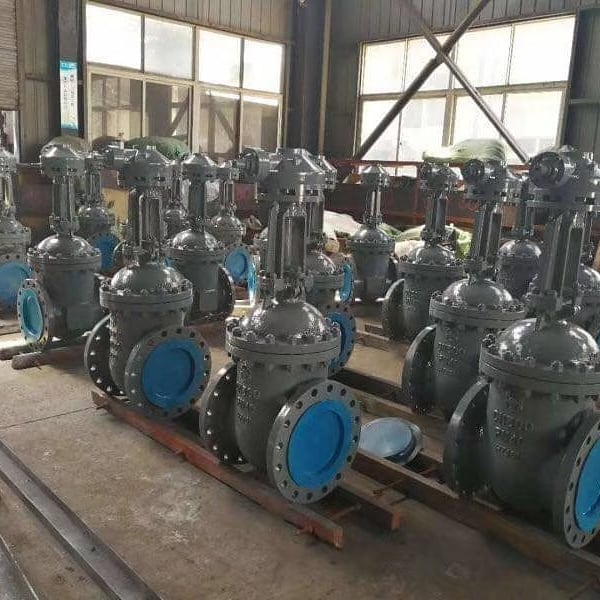
Wastewater treatment plants process sewage, industrial waste, and stormwater through biological and chemical stages before releasing water into rivers, lakes, or reuse systems. Each stage imposes distinct demands on valves from raw influent carrying rags and grit to treated effluent handled under tight quality controls. Incorrect valve selection causes blockages, excess maintenance, and non-compliant discharge. At ValvesOnly, a European valve manufacturer, valves used in wastewater treatment are evaluated against specific criteria during both product planning and project execution for municipal and industrial water treatment.
Valve Functions in Wastewater Treatment
Before selecting a valve type, it is useful to understand the core functional roles valves perform within a treatment plant:
•Flow regulation: Throttling airflow to aeration basins or chemical dosing rates.
•Isolation: Shutting off sections of pipework for maintenance or emergency response.
•Backflow prevention: Stopping reverse flow at pump discharges and chemical injection points.
•Pressure control: Managing pressure differentials across treatment zones, especially in sludge thickening and force mains.
•Sludge handling: Passing thick, abrasive slurries without clogging or excessive wear.
•Mixing and diversion: Directing flows between process streams, recirculation loops, and bypass lines.
•Emergency shutdown: Providing rapid isolation in response to process upsets or chemical spills.
Pressure Zone Classification
Wastewater plants span a range of pressure zones, and valve selection must reflect these differences. Low-pressure zones gravity flow channels, final effluent discharge, and open-channel structures are well suited to butterfly valves or knife gate valves, which offer cost-effective isolation without the need for high-pressure body ratings. High-pressure processes such as sludge thickening, force mains, and dewatering systems require full-port ball valves, heavy-duty gate valves, or triple-offset butterfly valves (TOV) capable of handling both the pressure and the abrasive nature of concentrated sludge. Mismatching valve pressure class to the service zone is a common source of premature failure and leakage.
Overview of Wastewater Treatment Processes
Primary treatment removes gross solids from raw sewage using screens, grit channels, and sedimentation. The water at this stage carries rags, fibrous material, and abrasive particles that are highly damaging to valve internals.
Secondary treatment uses biological processes, principally aerobic bacteria to break down dissolved organic matter. Aeration is central to this stage, with large volumes of air distributed through diffuser networks. Automated butterfly valves linked to dissolved oxygen (DO) probes dynamically adjust airflow into aeration basins, forming part of broader PLC-controlled process automation systems.
Tertiary treatment polishes the effluent further using filtration, chemical disinfection, UV disinfection systems, ozone dosing, and in advanced plants, membrane filtration. Each method requires purpose-selected valves: UV and ozone systems need corrosion-resistant isolation valves; membrane filtration banks use dedicated isolation valves to allow individual modules to be taken offline. Chemical reagents such as sodium hypochlorite and ferric sulphate are also applied at this stage.
Operating Conditions and Process Challenges
Wastewater treatment plants present a wide range of operational conditions across process sectors. While pressures are generally lower than those in oil and gas or power generation, the fluid characteristics solids content, fibrous nature, and chemical aggressiveness generate challenges that pressure and temperature ratings alone cannot resolve.
Common difficulties include:
• In crude sewage service, rags, fibrous material, and grit can clog and foul valve internals.
• Body walls and seating surfaces wear down due to abrasion from sand and grit in primary treatment streams.
• Valve body and trim corrosion caused by biologically active process streams and chemically aggressive dosing agents.
• Low-flow intervals result in solids deposition and hardening within valve cavities, causing valves to seize.
• Handling of biogas in anaerobic digestion systems requires valves rated for combustible gas service.
• Odour containment in enclosed facilities where hydrogen sulphide and other corrosive gases are present.
• Water hammer effects at pump discharge points, where check valves must be correctly sized and located to absorb pressure transients.
The relatively low pressures involved can create a misleading impression that any standard valve will suffice, when in fact solids-handling capability and chemical resistance often make many common designs unsuitable.
Valve Types Commonly Used in Wastewater Treatment Plants:
Plug valves are used where superior pressure integrity and full-bore, clog-resistant flow paths are needed. Eccentric plug valves are particularly well suited to sludge and slurry applications, as the plug rotates away from the seat on opening, eliminating the sliding contact that causes wear in lubricated designs. They are a reliable choice for digested sludge transfer lines, thickened sludge, and dewatered cake.
Butterfly valves are widely used in clean water services, treated effluent lines, and chemical dosing systems where solids content is low and the media is compatible with rubber-lined or EPDM-seated designs. Double eccentric butterfly valves provide tighter shut-off than concentric designs for isolation duties. In aeration systems, electrically or pneumatically actuated butterfly valves are integrated with DO probes and PLCs to provide real-time airflow regulation. Butterfly valves are generally avoided in raw sewage and sludge lines, as the disc obstructs full bore and creates zones where solids accumulate.
Ball valves are applied in chemical dosing systems, instrumentation isolation, and small-bore utility services. Material selection must match the reagent: for hypochlorite service, PTFE-lined ball valves are preferred, as they resist aggressive disinfectants and prevent dangerous leaks at dosing injection points. Stainless steel designs are also used where additional corrosion resistance is required. In anaerobic digestion systems, full-bore ball valves in suitable materials are installed on biogas lines.
Check valves prevent reverse flow at pump discharges, blower outlet connections, and chemical injection points. They also play an important role in reducing water hammer on pump discharge lines, where sudden valve closure or pump trip can generate destructive pressure surges. Swing check valves are common on effluent and raw sewage pump discharges. Dual plate check valves are preferred where lower pressure drop or space constraints apply. Chemical dosing injection points typically use small-bore non-return valves in materials compatible with the reagent.
Air release valves are mounted on wastewater lines and force mains to expel trapped air that reduces flow efficiency or generates pressure transients. They must resist the corrosive and noxious gases present in wastewater systems without internal clogging.
Actuators and Automation
Modern wastewater treatment plants rely heavily on process automation, with electric or pneumatic actuators fitted to butterfly valves, ball valves, and plug valves enabling remote operation and integration with PLC systems. Actuated valves are used across many applications: regulating aeration airflow in response to DO sensor feedback, controlling chemical dosing rates, sequencing sludge transfer, and providing automated emergency isolation. Specifying actuator type electric for precision control, pneumatic for fast actuation requires consideration of available utilities, fail-safe requirements, and the level of control system integration needed at each valve station.
Material and Design Considerations
Material selection for valves used in wastewater treatment plants, is driven primarily by corrosion resistance and mechanical wear rather than pressure-containing capacity, given the modest pressures involved. Commonly specified body materials include:
• Ductile iron with internal and external protective coatings for general wastewater service.
• 304/316L stainless steel for chemical dosing lines and corrosive process streams in industrial wastewater applications.
• Duplex stainless steel (e.g., 2205) for seawater-influenced or high-chloride/high-salinity conditions.
• Rubber-lined carbon steel or ductile iron for abrasive slurry applications, where the lining provides both corrosion protection and wear resistance.
• EPDM and NBR rubber sealing materials for municipal wastewater, offering a cost-effective and chemically suitable option for most process streams.
Design features specific to wastewater valve service include full-bore or near-full-bore flow channels to reduce blockage risk in solids-laden streams; external coatings resistant to the damp, corrosive atmosphere of enclosed treatment facilities; and flush connections or clean-out ports on sludge service valves to allow clearance of deposits without full valve removal. Valves on potable water or treated effluent systems must comply with applicable water sector material standards.
Common Failure Modes and Maintenance Practices
Valve failures in wastewater plants are more often linked to the harsh service environment than to design deficiencies. Systematic valve exercising programmes operating each valve through its full travel at defined intervals prevent solids deposition and seizure. Valves with flush connections in sludge service allow pressurized water to clear buildup before operation. In enclosed facilities where elevated hydrogen sulphide levels accelerate coating degradation, regular inspection and recoating of external valve surfaces significantly extend service life.
Valves in wastewater treatment facilities must perform across an exceptionally wide range of media from raw sewage with gross solids to concentrated chemical reagents, biological process streams, digested sludge, and biogas. Selection requires analysis of valve function, pressure zone classification, solids-handling capacity, chemical compatibility, abrasion resistance, and automation requires not just pressure and temperature. Knife gate valves, eccentric plug valves, butterfly valves, ball valves, and diaphragm valves each serve defined roles within the treatment process. Appropriate material selection, protective coatings, actuator specification, and structured maintenance programmes collectively reduce unplanned failures and support compliant, reliable treatment plant operation.