
Valves Used in Steel and Metal Processing Plants: Types, Functions, and Applications
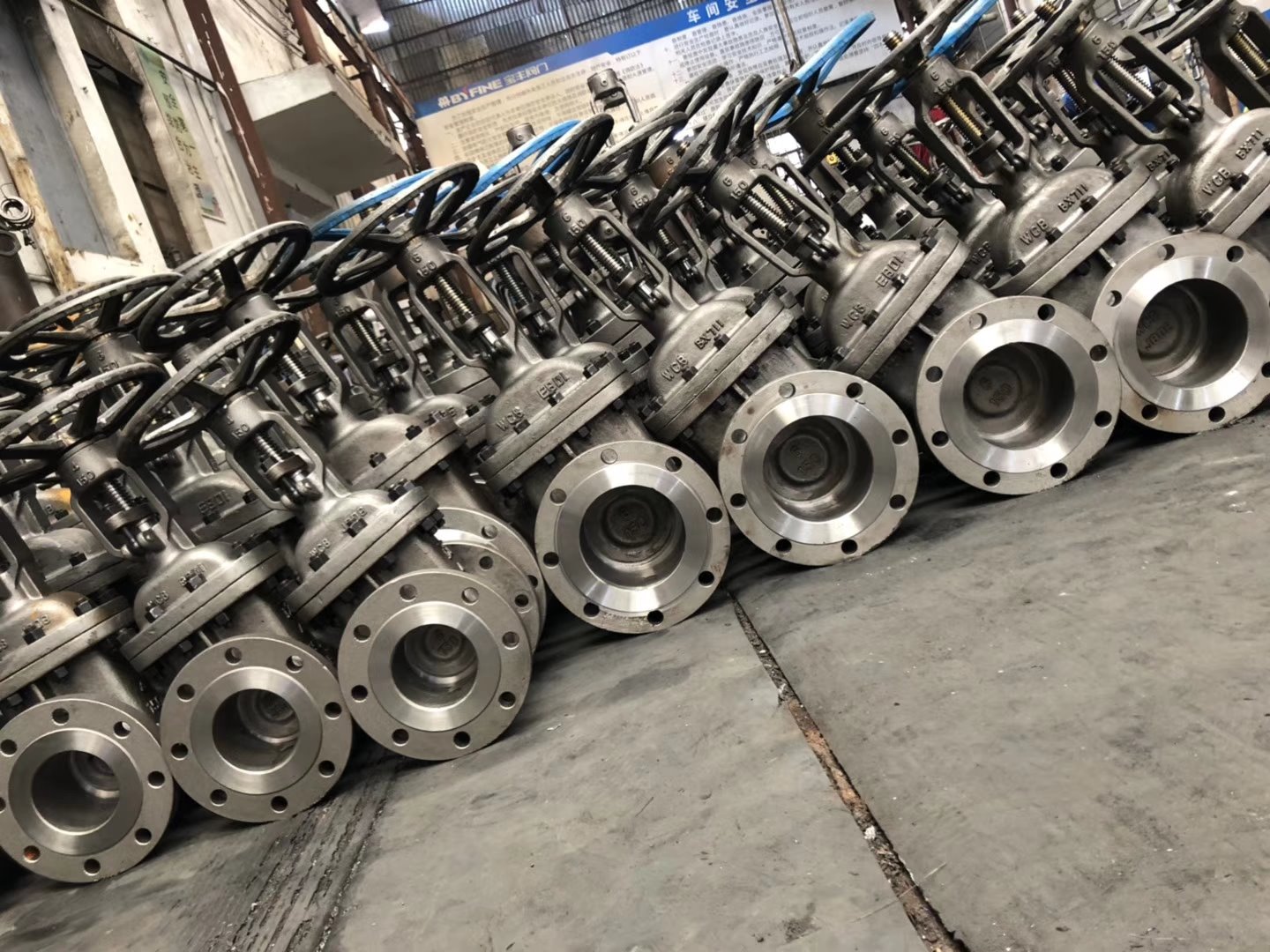
Steel and metal processing plants operate some of the most physically demanding industrial processes in existence. From blast furnaces and basic oxygen converters to rolling mills, heat treatment furnaces, and casting operations, these facilities handle extreme temperatures, aggressive process gases, abrasive slurries, hydraulic fluids under high pressure, and cooling water in volumes that few other industries match. Valves Used in Steel and Metal Processing Plants must perform reliably across this entire range of service conditions often in harsh physical environments where dust, heat radiation, vibration, and difficult access compound the operational demands placed on the valve itself. Incorrect valve selection or inadequate specification in steel and metal processing service results in accelerated wear, unplanned maintenance, and in critical process lines, production interruptions that carry significant financial consequences. At ValvesOnly, a Valve Supplier in Europe, the valves used in steel and metal processing plants are regularly assessed during product specification reviews and engineering evaluations for high-severity industrial process projects.
Overview of Steel and Metal Processing Systems
Ironmaking in a blast furnace, whereby iron ore, coke, and limestone are reduced at temperatures above 1500°C to create liquid iron, marks the start of steel manufacture. In a basic oxygen furnace or an electric arc furnace, where composition is changed and contaminants are eliminated, the hot metal is converted to steel. The molten steel is cast into slabs, blooms, or billets using continuous casting machines, then processed using hot rolling, cold rolling, and finishing treatments to create the finished product.
Every phase of this sequence calls for different process fluids and gases that place particular demands on the valves that are installed:
- Blast furnace gas is a low-calorific-value fuel gas that consists of carbon monoxide, carbon dioxide, nitrogen, and hydrogen. It is delivered under modest pressure and high temperature to combustion systems throughout the plant.
- For process control and inert atmosphere uses, oxygen, nitrogen, and argon are industrial gases delivered to casting operations and steelmaking vessels.
- Cooling water is supplied in large volumes to furnaces, casting machines, rolling mill equipment, and hydraulic systems to help manage thermal loads.
- Hydraulic oil is forced to pressure levels ranging usually from 150 to 350 bar in hydraulic systems for rolling mills and presses.
- High-pressure water employed during hot rolling to clean steel surfaces of oxide scale, typically at pressures above 200 bar, is known as descaling water.
- Sludge and scale pit liquor is contaminated water that comes from rolling operations and contains mill scale, oxide particles, and leftover lubricants.
Operating Conditions and Process Challenges
Steel and metal processing plants present process engineers and valve specifiers with a combination of challenges that few other industries replicate. High temperatures, abrasive media, flammable and toxic gases, extreme hydraulic pressures, and physically harsh operating environments all coexist within the same facility.
Common challenges include:
- High-temperature service in furnace gas distribution, combustion air systems, and heat treatment atmosphere circuits where valve bodies and trim must retain their mechanical and metallurgical properties including resistance to thermal cycling fatigue at sustained elevated temperatures. Extended bonnets are used in circuits where stem sealing integrity must be maintained under extreme thermal gradients.
- Abrasion and erosion from mill scale, grit, and solid particles carried in cooling water, descaling water, and process gas streams. Stellite hard-facing on valve trim seats and discs is a proven method of extending service life in these conditions.
- Corrosion in cooling water systems where treatment chemical concentrations vary and biological activity can accelerate pitting corrosion and crevice corrosion on unprotected surfaces. Stainless steel grades or corrosion-resistant alloys such as Alloy 20 or Hastelloy C276 are specified for chemical dosing and aggressive cooling water treatment services.
From a specification perspective, these conditions require careful evaluation of each service location rather than application of a generic steel plant valve standard across all systems. Valve datasheets recording pressure-temperature (P-T) ratings, material test reports (MTR), face-to-face dimensions per ASME B16.10, and end connection type are essential procurement documents.
Valve Types Commonly Used in Steel and Metal Processing Plants
Gate valves made of cast steel and forged steel bodies in carbon steel and alloy steel are commonly used to isolate parts of systems that carry steam, hot water, and process gases throughout a plant. Both rising stem and non-rising stem configurations are available, with rising stem designs preferred where visual confirmation of valve position is required. They work well in systems that handle blast furnace gas
Globe valves are used to control the flow of fluids in various applications, including steam conditioning, cooling water balancing, and process gas control. Flow coefficient (Cv/Kv) is the primary sizing parameter for globe valves in control applications, and specifiers must evaluate pressure drop, cavitation risk, and flashing potential particularly in steam and hot water service when sizing valves for these duties.
Ball valves play a crucial role in various systems, including utilities, industrial gas supply, and hydraulic circuits. For oxygen service, this means choosing the right materials for the valve body and seat to prevent ignition, and making sure the assembly process does not introduce any contaminants such as hydrocarbon-based lubricants or cleaning agents.
Butterfly valves are used in large-diameter cooling water systems, blast furnace gas distribution mains, and combustion air ducting where their low-pressure drop, compact installation, and cost-effective scaling to large sizes make them the practical choice. Double eccentric butterfly valves provide tighter shut-off than concentric designs and are appropriate for gas distribution services where leakage across the closed valve would create safety or process efficiency concerns.
Check valves protect pumps, blowers, and compressors from reverse flow across the plant. In cooling water pump discharge lines, swing check valves are common in larger bore applications; water hammer assessment during sizing is required to avoid pressure transients that can damage pipework and connected equipment.
Plug valves are used in blast furnace gas, coke oven gas, and converter gas distribution systems where tight shut-off and resistance to the tar and dust content of these gas streams are required. Eccentric plug valves are used in sludge and slurry services in the wet processing areas of the plant.
Material and Design Considerations
When it comes to choosing materials for valves in a steel plant, the options are vast due to the varied conditions found within a single facility. For many services that involve moderate temperatures, such as water and steam, carbon steel cast or forged valve bodies are a suitable choice. However, for applications that involve high temperatures, like steam and hot gases, alloy steels are necessary. In situations where corrosion is a concern, like in cooling water treatment and chemical services, stainless steel grades are the way to go, with corrosion-resistant alloys such as Alloy 20 or Hastelloy C276 specified where pitting or crevice corrosion risk is elevated.
Design considerations specific to steel plant applications include:
• Dust and scale exclusion provisions in valve designs installed in areas with high atmospheric dust loading
• Gear operators or actuators on large-bore valves where manual operation would require excessive force; actuator failure modes fail-open, fail-close, or fail-safe defined at specification stage
• High-temperature external coatings on valves installed near furnaces or casting machines where radiant heat can degrade standard paint systems
• Graphite packing for high-temperature stem sealing, with live-loaded packing arrangements used on valves in fugitive emission-controlled services
• Compliance with specific industrial gas standards for oxygen, nitrogen, and argon service valves
• Blowdown valves and vent and drain valves are auxiliary valve types installed on main process valves in steam and gas systems for safe depressurisation and maintenance isolation
Common Failure Modes and Maintenance Practices
Valves can fail in several ways. Seat and disc faces wear down due to fine particles in cooling water or slurry flows; Stellite hard-facing on valve trim provides extended resistance to this form of erosion. Scale or oxide particle accumulation inside the valve body can prevent full closure in gate valves or in the disc area of butterfly valves. When valves are used in very hot gas service, graphite packing on the valve stem can begin to leak due to the combined effect of thermal cycling and fine dust ingress.
The decision between valve replacement and refurbishment is an important maintenance consideration in steel plant operations. Trim components including seats, discs, and packing are replaceable in most valve designs, and refurbishment of cast steel and forged steel valve bodies can extend service life significantly where the pressure-containing parts remain within acceptable condition limits.
Valves used in steel and metal processing plants must perform reliably across an exceptional range of service conditions from extreme hydraulic pressure in rolling mill systems and high-temperature gas distribution circuits to abrasive slurry handling and safety-critical gas isolation duties. Selecting the correct valve type, body material, trim specification, end connection, pressure rating, and actuator failure mode for each application supported by proper documentation including valve datasheets, material test reports, and factory acceptance test records is what separates reliable long-term operation from recurring maintenance problems.