
Why Industrial Valves Fail Prematurely
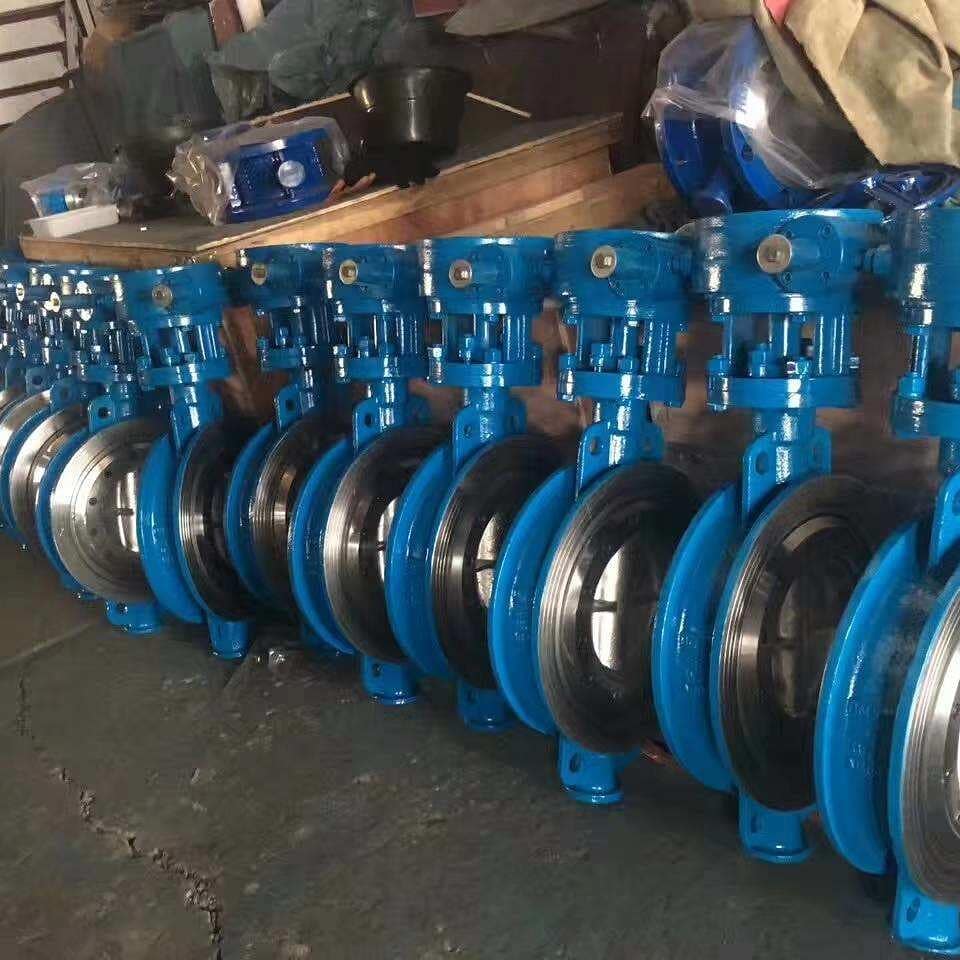
Premature valve failure is a problem for people who run process plants. It is very expensive. Causes a lot of trouble. When a valve breaks down before it should, it can. Stop working or even break apart. This causes a lot of issues. The plant has to shut down without planning, people have to do emergency repairs the process can get. There can be safety problems. These issues also affect equipment that is connected to the valve. All of this means that the total cost of the valve failing is usually a lot more than what the valve cost in the place. There are a few main reasons why Industrial Valves fail prematurely. These reasons happen in all kinds of industries and applications. At ValvesOnly which’s a company in Europe that makes valves they regularly look at why valves fail prematurely when they do technical checks and maintenance.
The Gap Between Specification and Service Reality
Before we look at the reasons why valves fail too soon it is worth understanding the bigger picture. A valve that fails soon has usually been used in a way that it was not meant to be used. This does not mean that the people who wrote the specifications did a job. It is just that there is a difference between what people knew about the conditions the valve would be used in when they wrote the specifications and what the valve actually has to deal with when it is being used.
The conditions that a valve has to work in can change a lot over the life of a plant. The mix of things that the valve has to handle can change the pressure can be turned up or down the amount of flow can go up or down depending on how much’s being produced and new chemicals can be added to systems that were originally designed to handle different things. Valves that were chosen for the conditions may find themselves in situations that are too much for them without anyone checking to see if the valve is still the right one for the job.
Incorrect Valve Selection for the Application
The most fundamental cause of premature valve failure is selecting the wrong valve type for the application. In practice the range of valve types, designs, and configurations available makes correct selection genuinely complex, and the consequences of selection errors are not always immediately apparent they may take months or years of service before the mismatch between valve design and application requirements manifests as a failure.
Common selection errors include:
- Specifying a soft-seated ball valve in a service where occasional solid particle contamination causes the seat to be scored and permanently damaged within a short period of operation
- Installing a swing check valve in a vertical pipeline where gravity cannot assist disc closure, resulting in reverse flow and pump damage
- Using a standard butterfly valve in a service with pressure surges or water hammer events that the disc and seat cannot withstand
- Selecting a throttling valve for on-off service, or using an isolation valve such as a gate valve for frequent throttling duty where the resulting seat erosion from high-velocity partial-flow conditions causes rapid wear
- Specifying a valve designed for clean fluid service in a slurry or fibrous media application where the valve body cavities accumulate solids and seize
Each of these scenarios represents a situation where the valve was correctly manufactured to its design standard but was placed in service conditions outside its design intent. The failure that results is not a product quality issue it is a specification issue that can only be prevented by more thorough evaluation of service conditions at the selection stage.
Material Incompatibility with Process Fluids
Material selection errors are a distinct and very common cause of premature valve failure. A valve body, trim, or sealing component manufactured from a material that is chemically incompatible with the process fluid will degrade at a rate that far exceeds what would be expected from mechanical wear alone.
Typical material incompatibility failures include:
- Carbon steel valve bodies corroding rapidly in services containing wet hydrogen sulphide, organic acids, or high chloride concentrations
- Stainless steel components experiencing stress corrosion cracking in chloride-containing environments at elevated temperatures a failure mode that can occur without any visible external warning before the component fractures
- PTFE or elastomeric soft seats swelling or degrading when exposed to process chemicals outside their rated compatibility range, losing their sealing function within weeks of commissioning
- Cast iron bodies fracturing in services with thermal shock or water hammer events that the lower toughness of cast iron cannot absorb
- Copper alloy components being attacked by ammonia-containing process streams in a reaction that can proceed rapidly and with little visible external evidence
Material incompatibility failures are particularly insidious because they often occur gradually and are attributed to other causes corrosion is sometimes mistaken for erosion, and soft seat swelling may be interpreted as a sizing problem delaying the identification of the root cause and allowing the same error to be repeated when the failed valve is replaced with an identical specification.
Incorrect Sizing
An oversized valve mostly works when it is almost closed. In flow control situations this means the valve manages flow with a small part of its movement. The moving fluid going through the tiny opening causes wear and tear on the seat and plug. This wouldn’t happen if the valve was the size to work in the middle of its movement range.
A valve that is small causes too much pressure drop. This increases the pressure difference the valve must handle when closing. It also requires force from the actuator. In services it can cause cavitation. Cavitation is when vapour bubbles form and collapse at a point. This leads to damage to valve parts from erosion in a short time. You can easily spot cavitation damage on globe valve parts. It leaves pitted and cratered surfaces, on the plug and seat faces.
Inadequate Maintenance
Valves that don’t get maintenance fail much sooner. This happens because of things like packing glands not being. Adjusted regularly which causes leaks. Gate and globe valves not being fully. Closed, so the surfaces get stuck together and the stem gets stuck too. Parts of the actuator wearing out over time but not being replaced when they should be. Replacing seats being put off too long so they can’t shut off properly anymore. A good valve maintenance plan checks the valves regularly.
Replaces parts at set times. This way problems can be found before they cause a failure. Maintaining valves like this is cheaper than fixing them after they break. When you add up all the costs, planned maintenance is always less expensive than dealing with a failure. Valves need maintenance to keep working properly. A structured programme helps prevent valve failures. Valves are maintained properly longer.
Manufacturing Defects and Quality Failures
While specification and operational issues account for the majority of premature valve failures, manufacturing defects are a real contributor. Body porosity in castings, incorrect heat treatment of pressure-retaining components, dimensional non-conformance in seating surfaces, incorrect material substitution, and hardness non-conformance in sour service components all create conditions for premature failure that correct specification and careful operation cannot prevent. Third-party inspection at the manufacturer’s works and positive material identification at the receiving stage provide practical checks against manufacturing quality failures entering service.
Premature valve failure is usually not one thing that goes wrong. Most of the time it’s because of a few things that happen together. This can be because the plan for the valve was not complete and did not think about the conditions it would be used in. The material used for the valve might have been okay for the plan but not for the conditions that came up later. Maybe the maintenance was put off for long and the valve started to break down. There could also be a problem with how the valve was made that was not found before it was used.
If we look at the reasons why valves fail like picking the wrong valve using materials that do not work well together sizing errors, problems with installation not doing maintenance using the valve in the wrong way and problems with how it was made we can start to fix these problems. To do this we need to pay attention to every step from planning and buying the valve to installing it, starting it up, using it and maintaining it.